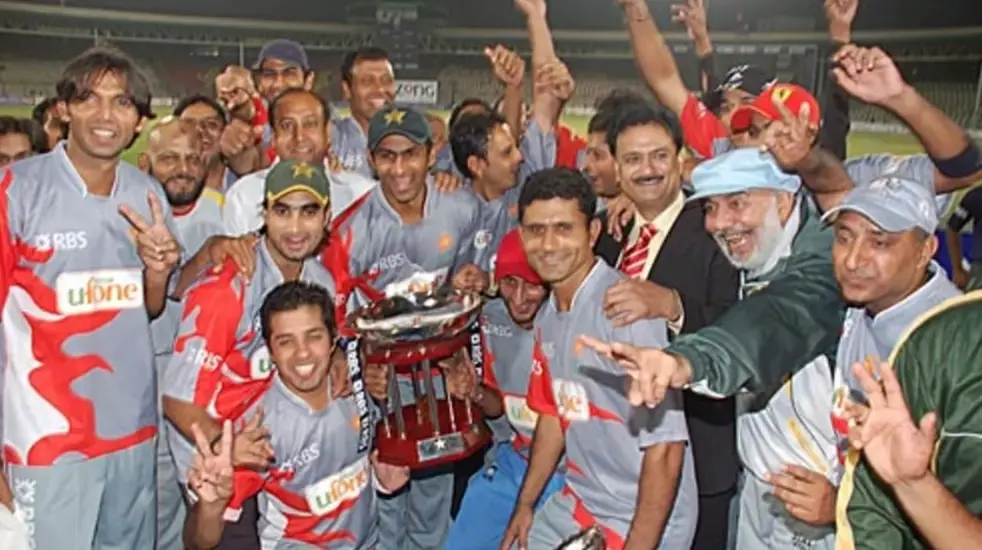
Achieving peak athletic performance necessitates a calibrated environment that fosters individual talent. In the context of Pakistan Cricket Potential, the systematic cultivation of natural ability remains a critical challenge. Former cricketer Saqlain Mushtaq’s insights highlight a structural gap: players often thrive through raw street-level talent, yet face systemic constraints that impede their innate capabilities at professional levels. This article dissects the core issues within Pakistan Cricket, examining the critical need for consistent coaching philosophies, psychological support, and a unified vision to unlock national sporting excellence.
The Translation: Deconstructing Player Development Ambiguity
The fundamental premise articulated by Saqlain Mushtaq directly challenges conventional top-down athletic development. He observes that Pakistani cricketers frequently emerge from informal, self-directed play, developing unique styles outside formal high-performance centers. Consequently, when these players enter structured environments, their innate Pakistan Cricket Potential can be suppressed by rigid methodologies. This perspective underscores a critical disjunction: the raw, intuitive brilliance of individual players often conflicts with imposed strategies, leading to performance ambiguity rather than enhancement. It suggests the current system struggles to integrate organic talent effectively.
The Socio-Economic Impact: Ripple Effects on Pakistani Citizens
The reverberations of this systemic inconsistency extend beyond the pitch, profoundly affecting the daily lives of Pakistani citizens, particularly aspiring athletes and their families. For students and young professionals envisioning a career in sports, the lack of a clear, consistent domestic structure translates into limited pathways for talent development and economic mobility. Households, especially in rural areas, invest significant resources and hope into young talent, only to see potential falter due to ambiguous coaching or short-term team selections. This instability creates a high-risk environment, deterring sustained engagement and investment in sports, thereby limiting opportunities for national pride and individual advancement through cricket.
The Forward Path: A Strategic Stabilization Move
This analysis suggests a Stabilization Move is urgently required. While recognizing individual brilliance, the current fragmented approach risks underutilizing a vast reservoir of national talent. A structured, long-term commitment to player development, coupled with consistent coaching methodologies and psychological support, would recalibrate the system. Such a strategic shift would empower players to perform with confidence, thereby maximizing the Pakistan Cricket Potential and ensuring sustainable competitive advantage on the global stage.
Unlocking Pakistan Cricket Potential: The Core Challenge
Despite numerous changes in coaching staff and player rosters, the underlying issue of inconsistent player development persists in Pakistan Cricket. The systemic ambiguity frequently leads to confusion among players, who struggle to adapt their natural game under fluctuating expectations.
The Foundation of Athletic Development
Historically, Pakistan Cricket has lacked a stable domestic structure and clear pathways for raw talent. Players often succeed due to individual hunger and self-developed skills, rather than a polished, consistent development framework. This phenomenon results in athletes reaching the highest level without comprehensive grooming, forcing them into numerous adjustments that can undermine their natural efficacy.
Systemic Inconsistency: A Performance Inhibitor
The inherent inconsistency within the system is a primary factor. Frequent changes at the highest administrative levels, coupled with shifts in strategy, personnel, and preparation methods, create an environment of profound uncertainty. Players, under pressure to secure their spot for the next game, frequently experience mental duplicity. Thoughts such as “I need to perform to gain a spot” or “I must play this specific way” can severely hinder their ability to absorb new teachings or execute strategies confidently.
Furthermore, when methods and personnel are in flux, player trust in the coaching staff is naturally eroded. If a coach’s tenure is uncertain, or if cultural understanding is perceived as lacking, these factors can become significant psychological barriers. This ambiguity prevents a full commitment to new strategies, ultimately impacting on-field cohesion and performance.
Cultivating Collective Trust and Vision
Achieving a collective trust in a unified vision is paramount. This requires individual clarity regarding personal values, desired player attitude, and a deep understanding of one’s own game. Crucially, a mutual belief and agreement between players and coaches regarding individual roles, combined with strong off-field relationships among players, are structural components that amplify team belief. When each individual ‘current’ operates on the same frequency, the collective team energy becomes a formidable force.
Muhammad Hafeez has also emphasized the critical need for clarity in role specification—not merely knowing one’s role, but actively owning it and feeling responsible for it. This commitment stems from intrinsic motivation, clear individual goals, and unwavering trust in oneself, the immediate environment, and the overarching team vision. Every single member of the squad must genuinely internalize this belief for it to kinetically influence on-field outcomes and strategically tilt odds in their favor.
Empirical research in cricket corroborates these observations, identifying player-coach relationships, effective communication, and specific personal attributes as pivotal factors for player development and sustained success.
Conclusion: A Path to Maximizing Pakistan Cricket Potential
Despite the invaluable insights from experienced professionals like Saqlain Mushtaq, Sana Mir, Umar Gul, and Muhammad Hafeez, Pakistan Cricket continues to grapple with foundational challenges. This ongoing dilemma will undoubtedly test the nation’s resolve in future competitions. Nevertheless, with strategic restructuring and a focus on intrinsic player development, the Pakistan Cricket Potential for national sporting advancement remains significant.