A significant judicial milestone has been achieved in Germany, with Samsung Electronics securing a pivotal legal victory against TCL. This ruling precisely addresses misrepresentation concerning “QLED” televisions, establishing a critical baseline for authentic Quantum Dot TVs in the global market. Consequently, this outcome signals a proactive calibration of industry standards, ensuring consumers receive accurate information about display technology.
Understanding Quantum Dot Technology: The Translation
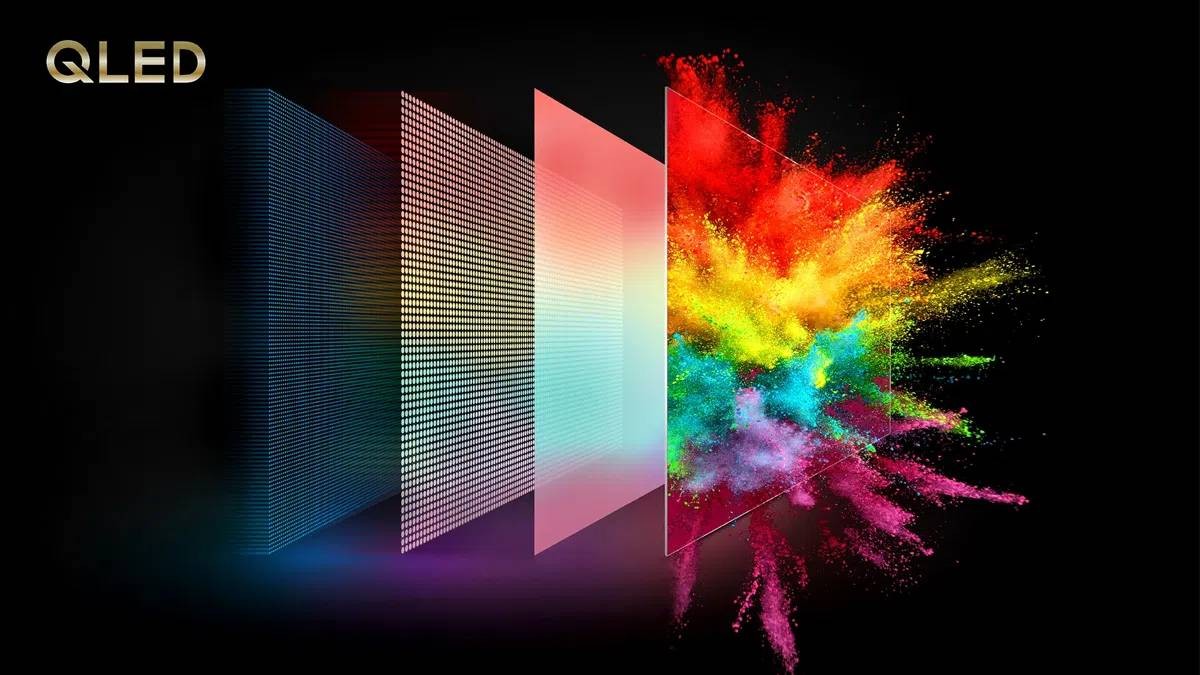
To grasp the gravity of this ruling, one must understand the structural mechanics of quantum dot technology. Essentially, quantum dots are nanoscale semiconductor crystals employed in advanced displays to enhance color accuracy and energy efficiency. For instance, in some Samsung displays, these dots absorb invisible ultraviolet (UV) light emitted by LEDs. Subsequently, they convert this UV light into precise, visible colors, offering a more vibrant and accurate viewing experience. Furthermore, quantum dots are inherently easier to fine-tune to specific light wavelengths compared to conventional LEDs, representing a superior display component.

The Munich Ruling: A Structural Precedent for Display Integrity
Samsung presented conclusive evidence before the Munich I Regional Court, demonstrating that specific TCL television series were marketed as “QLED” without integrating actual quantum dot technology. In contrast, TCL was unable to refute these precise findings. This strategic legal action has resulted in a court order compelling TCL to cease advertising six distinct TV series as “QLED.” Additionally, TCL must rectify all misleading statements related to these products. Although this ruling remains subject to appeal, it nonetheless represents a substantial initial stabilization move towards enforcing truth in advertising within the high-stakes electronics sector.
Global Implications: Catalyzing Fair Competition
This German verdict is not an isolated incident. Samsung is pursuing similar litigation against TCL in both the United States and South Korea. Consequently, the outcome in Munich could serve as a significant catalyst, influencing the trajectory and resolution of these parallel international cases. This establishes a robust framework for global consumer protection and fair competition in the burgeoning market of Quantum Dot TVs.
Socio-Economic Impact: Precision & Consumer Trust in Pakistan
How does this judicial decision specifically recalibrate the daily life of a Pakistani citizen? For students and professionals in urban and rural Pakistan, this ruling reinforces the integrity of advertised technology. When investing in a new television, particularly advanced models like Quantum Dot TVs, consumers rely on manufacturers’ claims. This verdict ensures that the financial outlay corresponds to genuine technological specifications, safeguarding against misleading purchases. Consequently, it promotes a market environment where companies are held accountable, fostering greater trust in high-value electronics and empowering informed consumer choices across all economic strata.
The Forward Path: Catalyzing Market Integrity
From an expert perspective, this development represents a clear Momentum Shift. The strategic enforcement of intellectual property and accurate product representation is paramount for sustained technological advancement. This ruling establishes a critical baseline for consumer protection, particularly in rapidly evolving sectors like display technology. It encourages manufacturers to maintain rigorous standards and deters deceptive marketing practices, thereby fostering a more transparent and trustworthy global electronics market. Ultimately, this calibrated legal action will lead to greater precision in product descriptions and elevated consumer confidence.