
Calibrating Pakistan’s Financial Vector: Strategic Currency Adjustment
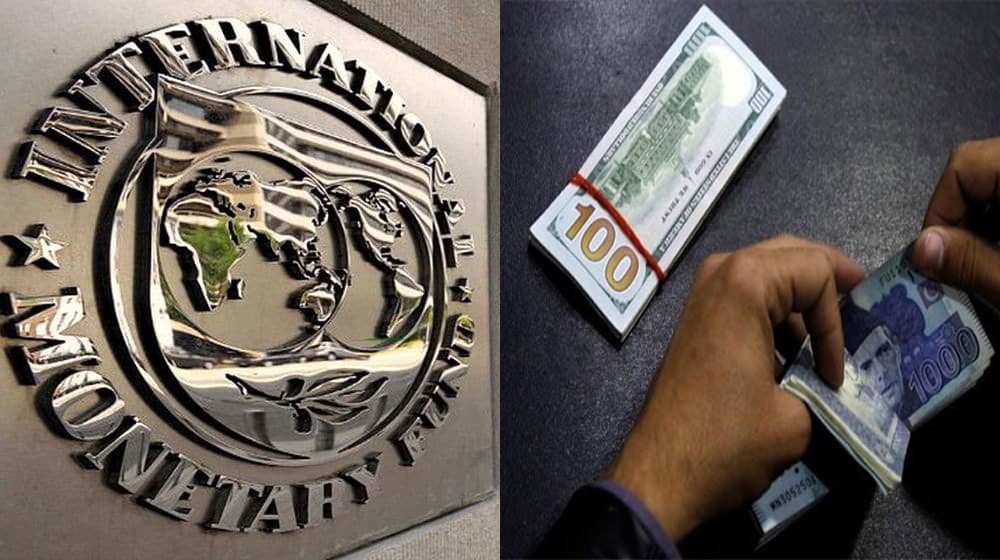
A strategic shift is underway in Pakistan’s financial landscape. The International Monetary Fund (IMF) has provided guidance for Pakistan to precisely adjust its currency against the US dollar, aligning with the Real Effective Exchange Rate (REER). This pivotal recommendation signals a potential rupee depreciation outlook, with projections indicating a movement towards Rs. 290-300 per US dollar from its current baseline around Rs. 280. This measure is a structural component of ongoing economic consultations and budget preparations.
The Translation (Clear Context)
The IMF’s recommendation is not arbitrary; it mandates an exchange rate adjustment based on REER indicators. Furthermore, REER serves as a comprehensive metric, assessing a currency’s value relative to a basket of other major currencies, adjusted for inflation differentials. Consequently, this alignment ensures Pakistan’s currency genuinely reflects its underlying economic fundamentals, preventing artificial overvaluation or undervaluation. The projected range of Rs. 290 to Rs. 300 per US dollar directly correlates to this data-driven calibration.
The Socio-Economic Impact
This strategic currency adjustment carries significant implications for every Pakistani citizen. For urban professionals, particularly those in import-dependent industries, the cost of raw materials and finished goods will likely escalate, potentially impacting business models and consumer prices. Conversely, for rural households involved in agriculture, a weaker rupee could enhance the competitiveness of agricultural exports, fostering growth in specific sectors. However, a general increase in import costs, notably for essential commodities like fuel, will exert inflationary pressure, directly affecting household budgets across all demographics. Moreover, students pursuing international education might face higher tuition and living expenses due to the strengthened dollar.
The “Forward Path”: Navigating the Rupee Adjustment
This development represents a Stabilization Move rather than an immediate momentum shift. The IMF’s insistence on REER alignment is a disciplined effort to correct fundamental economic imbalances and establish a more sustainable exchange rate regime. While the immediate consequence is a rupee depreciation outlook and inflationary pressure, this structural adjustment is a necessary prerequisite for long-term economic stability and export-led growth. Without this recalibration, Pakistan’s economy would remain vulnerable to artificial valuations and external shocks. Therefore, it is a strategic baseline correction designed to fortify the nation’s financial architecture for future advancement.

Strategic Considerations for Pakistan’s Economic Future
Pakistan is actively engaging with the IMF to stabilize its economy. This involves a comprehensive program of fiscal consolidation and structural reforms. For example, measures aimed at strengthening revenue collection are critical. Furthermore, maintaining exchange rate flexibility is paramount to allow the currency to respond organically to market forces, especially given the current rupee depreciation outlook. This proactive approach underscores a commitment to robust economic governance, ultimately aiming to fortify Pakistan’s financial resilience.








