A recent high-level roundtable in Islamabad has precisely calibrated a strategic framework to reduce school dropout across Pakistan. This critical initiative, spearheaded by Cities for Children and the Malala Fund, convened policymakers and expert practitioners. Their collective objective was to engineer practical, child-centred solutions that not only ensure children access education but also thrive within a supportive learning environment.
The Translation: Deconstructing Educational Barriers
Millions of Pakistani children remain outside the formal education system, while many more face the imminent risk of disengagement. The “Inspired Education” event systematically addressed these structural challenges. Participants engaged in a meaningful dialogue, aiming to fortify education systems despite prevailing economic constraints. This proactive engagement underscores a commitment to baseline educational stability.
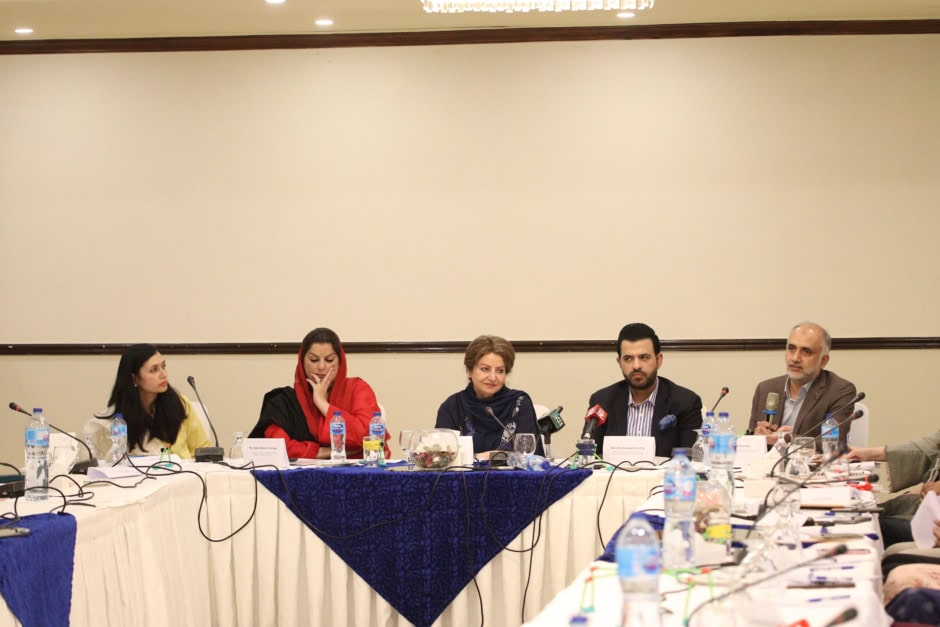
Key figures like MNA Ms. Shaista Pervez Malik, Convenor of the SDGs Secretariat, alongside Parliamentary Secretaries Ms. Rabia Naseem Farooqi and Barrister Danyal Chaudhry, actively contributed. Furthermore, representatives from the education ministry, non-formal education sector, BISP, and development partners like JICA were present. This diverse participation ensured a comprehensive, multi-sectoral approach.
Strategic Imperatives for Child-Centred Learning to Reduce School Dropout
The discussion was architected around four critical questions. Firstly, what are the most pragmatic methods to dismantle access barriers? Secondly, how can classroom environments be structurally re-engineered to inspire sustained child engagement, consequently mitigating the risk to reduce school dropout? Thirdly, when vulnerability intersects with gender, what calibrated incentives prove effective for girls? Lastly, how can policymakers and practitioners better integrate creative, child-centred approaches into the broader education system?
Madeeha Ansari, Founder and CEO of Cities for Children, articulated the core philosophy. She emphasized the shift from problem identification to showcasing pragmatic and creative solutions already supporting vulnerable children. These initiatives, she argued, necessitate greater visibility and sustained investment for systemic impact.
The Socio-Economic Impact: Uplifting Pakistani Households
This strategic focus directly impacts the daily lives of Pakistani citizens. By investing in child-centred solutions, families gain greater assurance regarding their children’s educational continuity and well-being. Enhanced school retention leads to a more skilled future workforce, which in turn fosters economic stability and growth. These initiatives directly address the systemic challenges that cause school dropout. Moreover, targeted interventions for girls’ education specifically empower female students and their households, promoting gender equity and future prosperity in both urban and rural Pakistan.
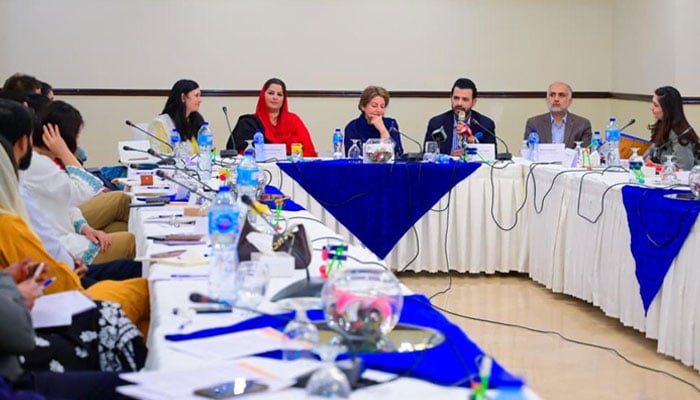
Participants robustly asserted that improving access must be seamlessly integrated with elevating the quality of children’s in-school experiences. Conversations explored actionable strategies, including:
- Targeted Incentives: Providing specific supports to vulnerable student populations.
- Community-Based Models: Engaging local communities to support school attendance and engagement.
- Strengthening Classroom Environments: Implementing playful learning, socio-emotional development, and positive discipline to replace punitive methods.
This holistic approach creates a more nurturing and effective learning ecosystem.
Precision Interventions: Early Warning Systems and Nutrition
The roundtable highlighted promising, precision-driven initiatives already operational. Mr. Zaigham from the Pakistan Institute of Education detailed an Early Warning System (EWS). This structural tool identifies children at risk of dropping out, enabling timely, targeted support. Furthermore, representatives from Allah Walay Trust presented compelling evidence on the impact of school meal programs. These programs demonstrably improve attendance and retention, particularly for children from economically challenged backgrounds.

Additional innovative approaches shared included storytelling, play-based learning, and community engagement strategies. These exchanges underscored the critical importance of mutual learning and adapting solutions to align with diverse local contexts. Ms. Shaista Pervez Malik reiterated a firm commitment to ongoing collaboration with practitioners, working towards integrating these child-centred approaches into national education policy and systems.
The “Forward Path”: A Momentum Shift
This development definitively represents a Momentum Shift. The strategic convergence of policymakers and practitioners, coupled with a focus on actionable, child-centred solutions, moves beyond mere identification of problems. Instead, it calibrates a clear, progressive trajectory towards a more resilient and inclusive education system. Sustained investment in these creative, inclusive, and child-centred strategies is essential. This ensures every child can remain in school, feel secure, and ultimately achieve their full potential, thereby elevating Pakistan’s human capital baseline.