
Strategic Economic Calibration for Essential Food Items
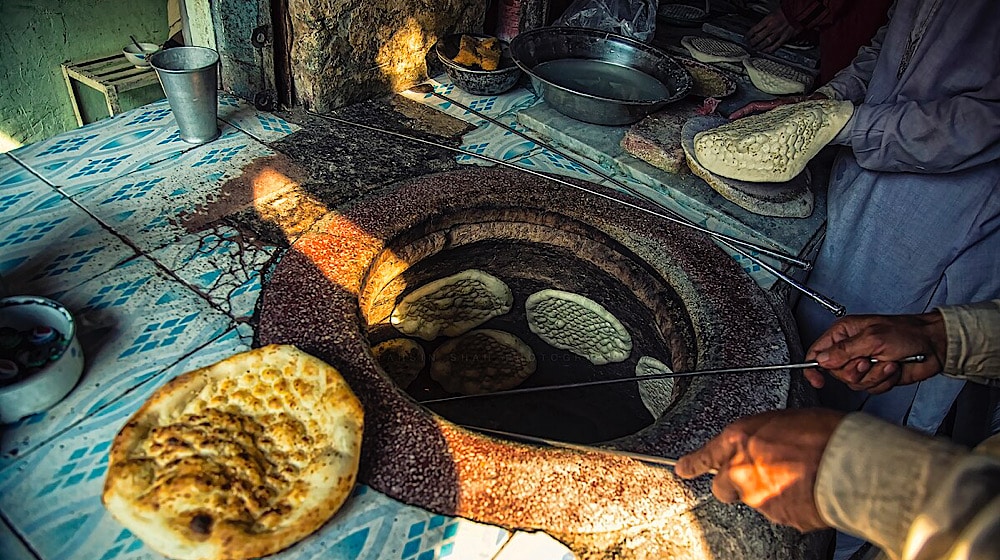
In a crucial calibration for household budgets, the Pakistan Naanbai Association has affirmed that Roti Naan Prices will remain precisely unchanged through Ramadan, concluding on the 30th. This strategic decision, despite significant escalations in core input costs like flour, ghee, LPG, labor, electricity, and tandoor rentals, aims to stabilize consumer spending during the holy month. However, a structural adjustment is anticipated post-Eidul Fitr, signaling an impending rise in daily food expenditures.
The Translation: Understanding the Price Stabilization Logic
The Pakistan Naanbai Association’s General Council, comprising representatives from key regions including Rawalpindi, Attock, and Jhelum, unanimously approved this temporary price freeze. Chaired by Central President Shafiq Qureshi, the leadership articulated a commitment to public welfare during Ramadan. Consequently, this measure provides immediate relief, delaying the financial impact of escalating operational expenses for consumers across urban and rural Pakistan.

Anticipated Post-Eid Adjustments
The association declared that prices will increase after Eidul Fitr. Specifically, both roti and naan will become Rs. 5 more expensive, while paratha and roghni naan are slated for a Rs. 10 increase. The leadership states that sustaining current operations at existing Roti Naan Prices has become financially unsustainable, directly due to the relentless surge in input costs. This structural shift reflects an unavoidable response to market dynamics.
The Socio-Economic Impact: Daily Life and Household Budgets
This decision directly impacts the daily lives of Pakistani citizens, particularly students and professionals relying on affordable bread. For urban households, the temporary freeze on Roti Naan Prices offers short-term budgetary predictability during Ramadan. In contrast, rural families, often more vulnerable to food price volatility, will also benefit from this stabilized pricing for their staple diet. However, the impending post-Eid increase demands proactive financial planning from every household.
Analyzing the Cost Escalation Baseline
- Flour Price Surge: The price of a 79-kg flour bag has dramatically risen from Rs. 7,600 to Rs. 11,700. Similarly, fine flour increased from Rs. 8,200 to Rs. 12,600.
- Further Increases Projected: Analysts project additional increases of up to Rs. 2,200 per bag by the conclusion of Ramadan.
- LPG Cylinder Costs: Commercial LPG cylinder prices have surged to Rs. 16,000, placing substantial pressure on tandoor operators.
- Labor and Utility Hikes: Both labor and utility costs have registered significant increases, further compressing operational margins.
The Naanbai Association has critically noted the district administration’s inability to control these foundational input prices. They warn that sustained pressure could structurally compromise operations, potentially forcing tandoors to cease functioning after Eid. This scenario represents a direct threat to food security and economic stability.
The “Forward Path”: A Stabilization Move Amidst Volatility
This development primarily constitutes a “Stabilization Move.” While it strategically defers an immediate price shock for consumers during a critical period, it does not address the underlying systemic inefficiencies driving input cost inflation. The decision provides a temporary baseline for food accessibility, but the fundamental challenge of managing supply chain economics and regulatory oversight remains. A more integrated, long-term policy framework is essential to achieve genuine momentum shift towards sustainable affordability for essential food items like roti and naan.








