

Optimizing Urban Transit: The Kutchery Chowk Development
Pakistan’s urban infrastructure is undergoing a calibrated transformation. The Kutchery Chowk remodeling project in Rawalpindi, now 75 percent complete, represents a pivotal stride in enhancing public transportation efficiency. Crucially, the Punjab Highway Department has initiated construction for eight dedicated Rawalpindi Electric Bus Stops designed specifically for electric buses along this vital corridor. This strategic development is engineered to integrate advanced electric bus operations into Rawalpindi’s urban fabric, promising a significant upgrade to the city’s transit network.
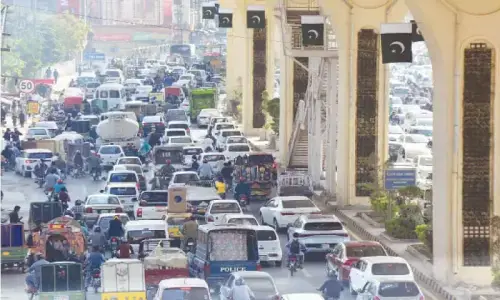
The Translation: Expanding Next-Gen Connectivity
This initiative directly addresses the imperative for expanded electric bus services under Phase-II, aiming to link District Courts with broader areas of the garrison city. Masab Ali, Sub-Divisional Officer at the Punjab Highway Department, confirmed that these bus bays are strategically positioned. Locations include key points such as Fatima Jinnah Women University, the main gate of District Courts, Adiala Road Square, Lal Kurti, Rashid Minhas Road, Old Airport Road, and Jhelum Road. Consequently, these new stops will form a precise network, optimizing accessibility across Rawalpindi.
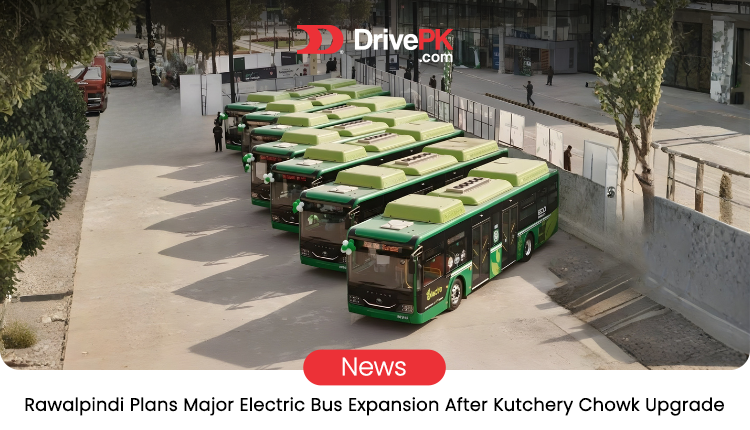
The Socio-Economic Impact: Calibrating Daily Commutes
For Pakistani citizens, this project translates into tangible improvements in daily life. Currently, 45 electric buses operate on seven routes. However, officials plan to escalate this fleet to 120 upon the project’s completion, vastly expanding service capacity. Specifically, this expansion will connect areas like Rawat T-Chowk, Koral Chowk, Soan Bridge, the Motorway, and Rawalpindi Railway Station Saddar. Furthermore, it will significantly improve access to commercial hubs such as Raja Bazaar and other downtown areas. Students will experience reduced travel times, professionals will navigate urban landscapes more efficiently, and households will benefit from a reliable, environmentally conscious public transport system, directly impacting urban and rural connectivity.
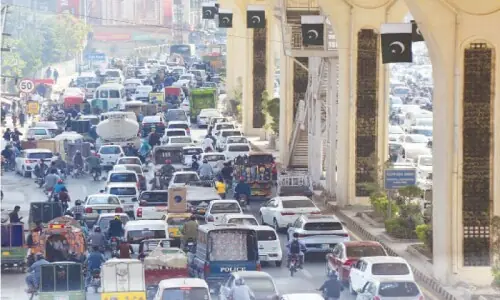
The “Forward Path”: A Momentum Shift for Urban Mobility
This development undeniably represents a Momentum Shift. The integration of dedicated bus lanes into the Kutchery Chowk design is a structural improvement engineered to manage traffic flow proactively. The Punjab Mass Transit Authority’s oversight of the electric bus system, coupled with the Regional Transport Authority’s route allocations, establishes a robust framework for sustainable urban mobility. This project moves beyond mere maintenance; it proactively recalibrates Rawalpindi’s transit infrastructure for the future, fostering a more efficient and interconnected urban environment.








