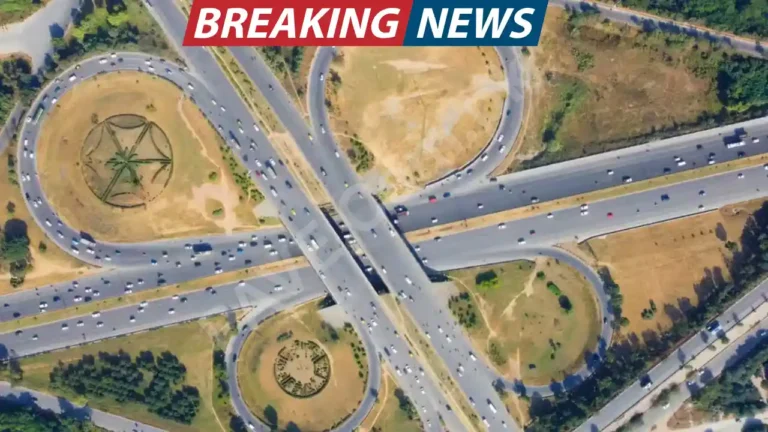
The Rawalpindi Kutchery Chowk Project, a crucial infrastructure upgrade, faces escalating costs. Initially budgeted lower, its estimated expense has surged significantly. This project aims to alleviate severe traffic congestion in the bustling city. Authorities are now closely monitoring the financial outlay due to recent price hikes in construction materials.
Officials have revised the estimated cost to approximately Rs. 14.5 billion. This figure marks a considerable increase from original projections. It reflects the volatile nature of commodity markets globally. Furthermore, further escalation remains a distinct possibility, highlighting the complexities of managing large-scale infrastructure developments. Both the government and stakeholders prioritize accountability and efficient resource utilization amidst these revised figures.

Rising Costs and Financial Realities of the Rawalpindi Kutchery Chowk Project
The project’s price tag has risen considerably since its inception. Primarily, this escalation stems from a sharp increase in construction material prices. This trend has been observed since the beginning of the year, impacting numerous large-scale development ventures worldwide. Consequently, the revised budget of Rs. 14.5 billion reflects these market changes.
This substantial jump from earlier estimates underscores the economic environment’s impact on public works. Managing extensive infrastructure projects, particularly in dynamic economic conditions, presents unique challenges. Material costs can fluctuate unexpectedly. Therefore, project stakeholders are working diligently to manage these financial pressures, ensuring the project progresses responsibly and efficiently.
Accelerated Development and Strict Oversight at Rawalpindi Kutchery Chowk
Despite financial hurdles, construction efforts for the underpasses and overhead bridges at Kutchery Chowk have significantly accelerated. This intensified pace clearly indicates a strong commitment to early completion. To meet ambitious deadlines and mitigate the effects of cost overruns, contractors now operate in three shifts. They maximize both manpower and equipment utilization around the clock.
This 24/7 operation demonstrates a strategic push to fast-track the Rawalpindi Kutchery Chowk development. The goal is to deliver its benefits to Rawalpindi’s citizens swiftly. Furthermore, project progress is under rigorous, direct scrutiny. Rawalpindi Commissioner Aamir Khattak and Deputy Commissioner Hasan Waqar Cheema personally monitor daily developments. This high-level oversight aims to promptly address any bottlenecks, maintaining the construction schedule and quality standards. The project itself spans approximately 2.5 kilometers, encompassing the main chowk remodelling and crucial reconstruction of surrounding facilities. This holistic approach guarantees comprehensive urban infrastructure improvements.

Key Milestones Achieved and Upcoming Developments for Rawalpindi Kutchery Chowk
Construction teams have already achieved several significant milestones. The reinforced concrete flooring for the underpass is complete, providing a robust foundation. Additionally, pillars for the overhead bridges have been erected, visibly transforming the area. Drilling activities have also finalized, and heavy machinery has been removed from the site. This transition indicates a shift to more intricate construction phases.
Currently, shuttering and lintel work is in its final phase, demanding precision before concrete pouring. Officials target January 31 for completing ancillary work. This includes restoring infrastructure linked to several key institutions. These comprise Fatima Jinnah Women University, the Income Tax Office, Civil Defence offices, municipal buildings, Kachehri Mosque, lawyers’ chambers, nearby residential areas, and various schools.
Traffic Flow Improvement: Motorcycle Lanes and Full Operation
- February 1: Authorities plan to partially open motorcycle lanes near Kutchery Chowk. This strategic move aims to immediately ease traffic pressure and improve flow for two-wheelers.
- After Eidul Fitr: Final finishing work for the entire Rawalpindi Kutchery Chowk project will commence. This promises full operational status in the near future.

Transforming Urban Mobility: The Future of Rawalpindi with Kutchery Chowk
Kutchery Chowk currently operates as one of Rawalpindi’s busiest arteries, experiencing immense traffic volume. Over 200,000 vehicles and motorcycles navigate this junction daily. This contributes to significant congestion, increased travel times, and environmental pollution. The existing infrastructure, relying on traffic signals, often struggles with this incessant flow, causing frequent bottlenecks during peak hours. Therefore, completing the remodelling project is vital for the city’s urban mobility and overall liveability.
Once fully operational, the revamped Kutchery Chowk will revolutionize local traffic flow. A cornerstone of the project’s design involves completely removing traffic signals. Instead, a multi-level interchange system featuring underpasses and overhead bridges will be implemented. This signal-free flow will dramatically improve vehicle movement, drastically reducing travel times. Consequently, it will alleviate the notorious congestion that has plagued commuters for years. The long-term vision aims to create a smoother, more efficient transportation network, thereby supporting Rawalpindi’s growth and economic activity. Despite initial cost challenges, the project’s strategic importance for enhancing urban infrastructure and connectivity remains undeniable, promising a significant positive impact on thousands of residents and commuters daily.