

Rawalpindi’s trading community has strategically recalibrated its planned demonstration, shifting the Rawalpindi traders protest on Murree Road to February 17. This crucial move aims to address systemic issues, specifically urging the district administration to mitigate alleged harassment by Punjab Enforcement and Regulation Authority officials. Traders are voicing concerns over unrealistic price controls, the impact of inflation, and the conduct of enforcement teams, signalling a potential momentum shift for local commerce.
The Translation: Unpacking Trader Grievances on Murree Road
The Rawalpindi Central Traders Association initiated this protest, directly challenging the District Price Committee’s essential item pricing. They highlight a disconnect between official rate lists and actual market conditions. Consequently, shop closures, financial penalties (challans), and reported rude behavior from enforcement teams are exacerbating operational challenges for businesses. This discontent, articulated during a press conference at the Rawalpindi Press Club, underscores a growing systemic friction between regulatory bodies and the trading sector.
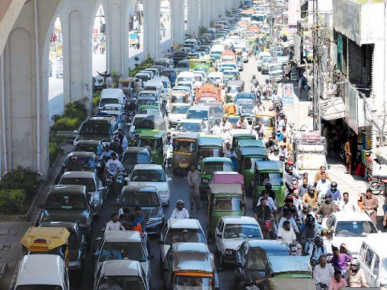
Systemic Friction: Inflation and Unrealistic Price Controls
Shahid Ghafur Paracha, President of the Rawalpindi Central Traders Association, emphasized that escalating inflation and rising electricity and gas tariffs severely impact business viability. He maintained that official price lists often fail to reflect market realities, despite trader representation on the District Price Control Committee. Consequently, traders find themselves in an untenable position. They struggle to comply with fixed rates while facing surging operational costs. This ongoing struggle fuels the Rawalpindi traders protest.
The Socio-Economic Impact: Daily Life for Pakistani Citizens
This Rawalpindi traders protest directly impacts the daily lives of Pakistani citizens, particularly students, professionals, and households across urban and rural settings. When traders struggle with pricing and regulatory pressure, the supply chain for essential items becomes volatile. Consequently, this leads to potential shortages, increased costs passed onto consumers, or reduced availability of goods. For instance, Mohammad Farooq Chaudhry, President of the Rawalpindi Restaurants, Caterers, Sweets and Bakers Association, stated that current costs and fixed rates impede their ability to offer affordable items, especially critical during Ramadan. This directly affects the purchasing power and access to basic necessities for families.

Demands for a Transparent and Business-Friendly Environment
Traders are demanding a more transparent challan system and an end to what they consider unnecessary taxation. They advocate for a revised framework that fosters a more conducive and business-friendly environment. They explicitly warned of expanding the protest if authorities do not address their concerns. Such organized action by the trading community signifies a calibrated response to persistent economic and regulatory challenges impacting Murree Road business impact.

The “Forward Path”: A Stabilization Move for Market Integrity
This development represents a Stabilization Move for market integrity rather than a complete momentum shift. The organized Rawalpindi traders protest highlights critical inefficiencies within current regulatory and economic structures. Demands for transparency and realistic pricing mechanisms are fundamental to achieving market equilibrium. Consequently, a constructive dialogue and policy recalibration are essential. These steps will prevent further disruption and ensure economic stability for both businesses and consumers. Strategic adjustments are required to align official mandates with ground realities, fostering a resilient trading ecosystem.








