Pakistan’s digital infrastructure is currently being leveraged for illicit wildlife commerce, specifically involving rare marmoset monkeys. Despite existing prohibitions, an expanding illegal wildlife trade Pakistan operates openly on social media platforms, facilitating the trafficking of exotic primates. This structural breakdown necessitates immediate, calibrated intervention to safeguard national biodiversity and uphold conservation statutes.
Unpacking the Digital Frontier of Illegal Wildlife Trade
The open marketing of marmoset monkeys, native to South American forests, on Pakistani social media platforms signifies a significant operational bypass of established wildlife protection protocols. These animals are precisely routed into the country through identified smuggling channels, including Afghanistan. Consequently, the digital marketplace has become a primary conduit for circumventing national bans on exotic animal trade.
The Trafficking Blueprint: Cross-Border & Online Dynamics
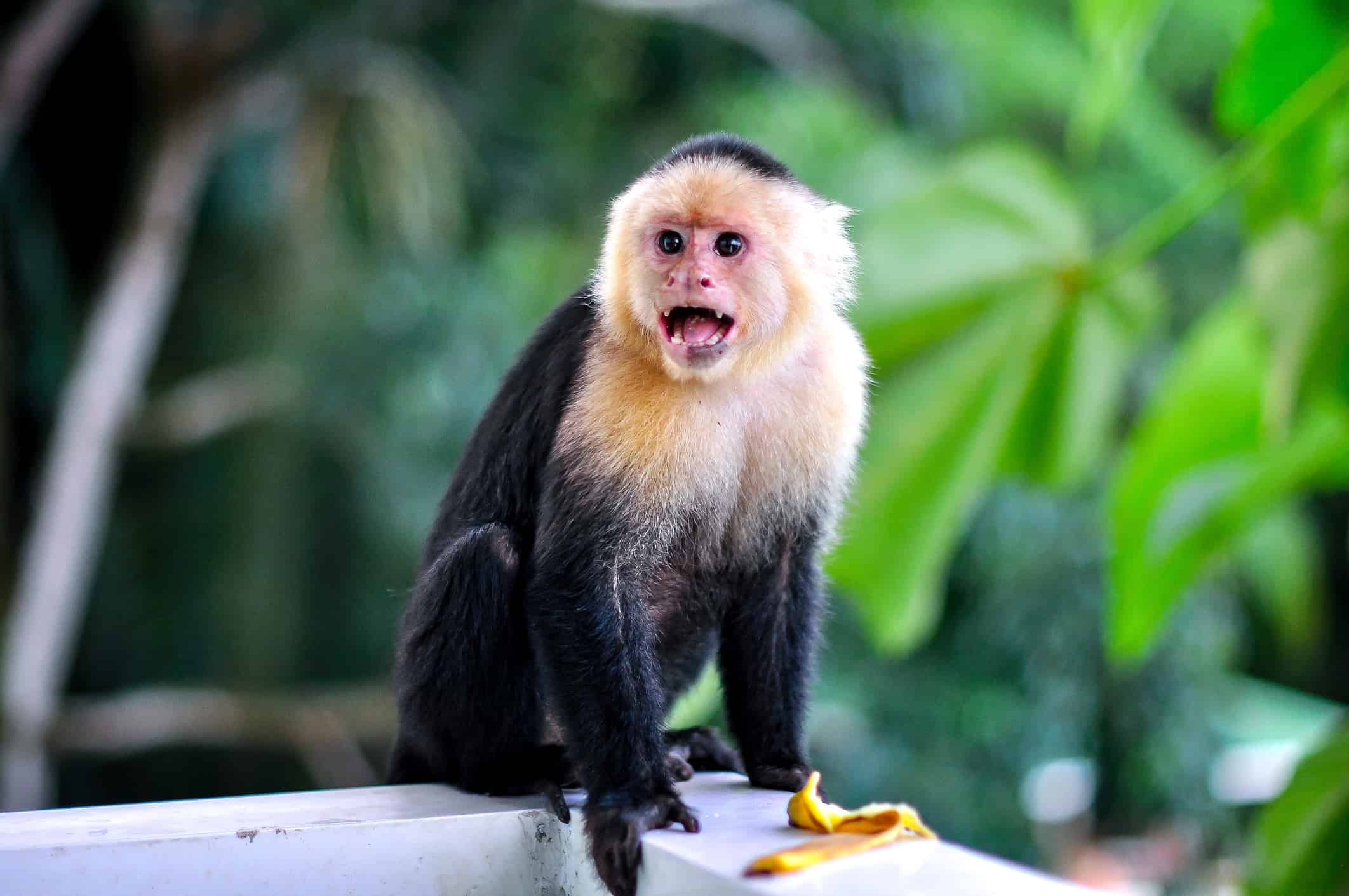
Multiple online videos clearly display sellers actively marketing these small primates to potential buyers. Sources confirm that marmosets originate from the dense forests of Brazil and other South American regions. Furthermore, these exotic animals are reportedly trafficked into Pakistan via intricate smuggling routes. Some have even entered the country through Afghanistan, underscoring the critical role of cross-border pathways in this illicit wildlife supply chain.

A particularly concerning development is the sellers’ reported promise of nationwide delivery. They claim these animals can be supplied to customers across major Pakistani cities. This logistical capability highlights the sophistication and reach of these illicit networks, posing a complex challenge for enforcement agencies seeking to curb online animal trafficking.
Socio-Economic Ramifications: Impact on Pakistan’s Ecological & Legal Fabric
This unmitigated trade in endangered species presents a multi-faceted risk to Pakistani citizens and ecosystems. For students and future professionals, it demonstrates a systemic vulnerability in law enforcement, impacting confidence in regulatory frameworks. Environmentally, the introduction of non-native species poses a direct threat to local biodiversity through disease transmission and ecological imbalance, especially in rural areas where natural habitats are more prevalent.

Urban households, often targeted by these online sellers, unknowingly contribute to a global illicit network. Consequently, they risk legal repercussions and public health hazards from improperly cared-for exotic pets. Wildlife experts emphatically warn that trading in protected and rare species directly violates national wildlife and conservation laws. They advocate for stringent action.
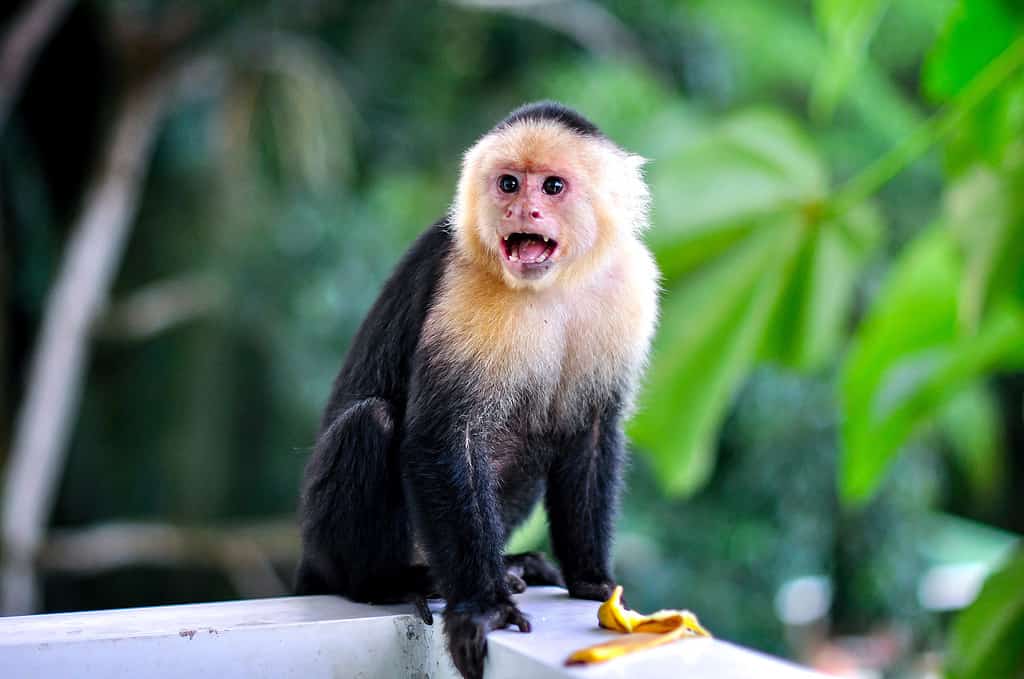
Specifically, experts urge concerned authorities to crack down on sellers, disrupt smuggling networks, and take decisive action. This imperative response aims to curb the growing online market for exotic animals, thereby reinforcing Pakistan’s commitment to wildlife protection.
Charting the Future: A Call for Precision in Wildlife Conservation
This development represents a Stabilization Move. The visible resurgence of the illegal wildlife trade Pakistan signals a critical lapse in enforcement mechanisms, necessitating a rapid recalibration of surveillance and interdiction strategies. It is not a momentum shift forward but rather a call to reinforce the baseline protections already established. A robust, digitally-aware enforcement posture is critically required to dismantle these networks and fortify Pakistan’s commitment to wildlife conservation.