

A strategic alignment of national observation with calendrical precision dictates a pivotal moment for Pakistan. The Ramadan 2026 Start Date has been officially confirmed for Thursday, February 19, following the Central Ruet-e-Hilal Committee’s conclusive moon sighting. This declaration, made after rigorous verification across various regions, establishes a unified commencement for the holy month nationwide. Consequently, this decisive announcement provides a critical baseline for national planning and individual preparation, ensuring systemic clarity for all citizens.
The Translation: Deconstructing the Protocol for Ramadan 2026 Start Date
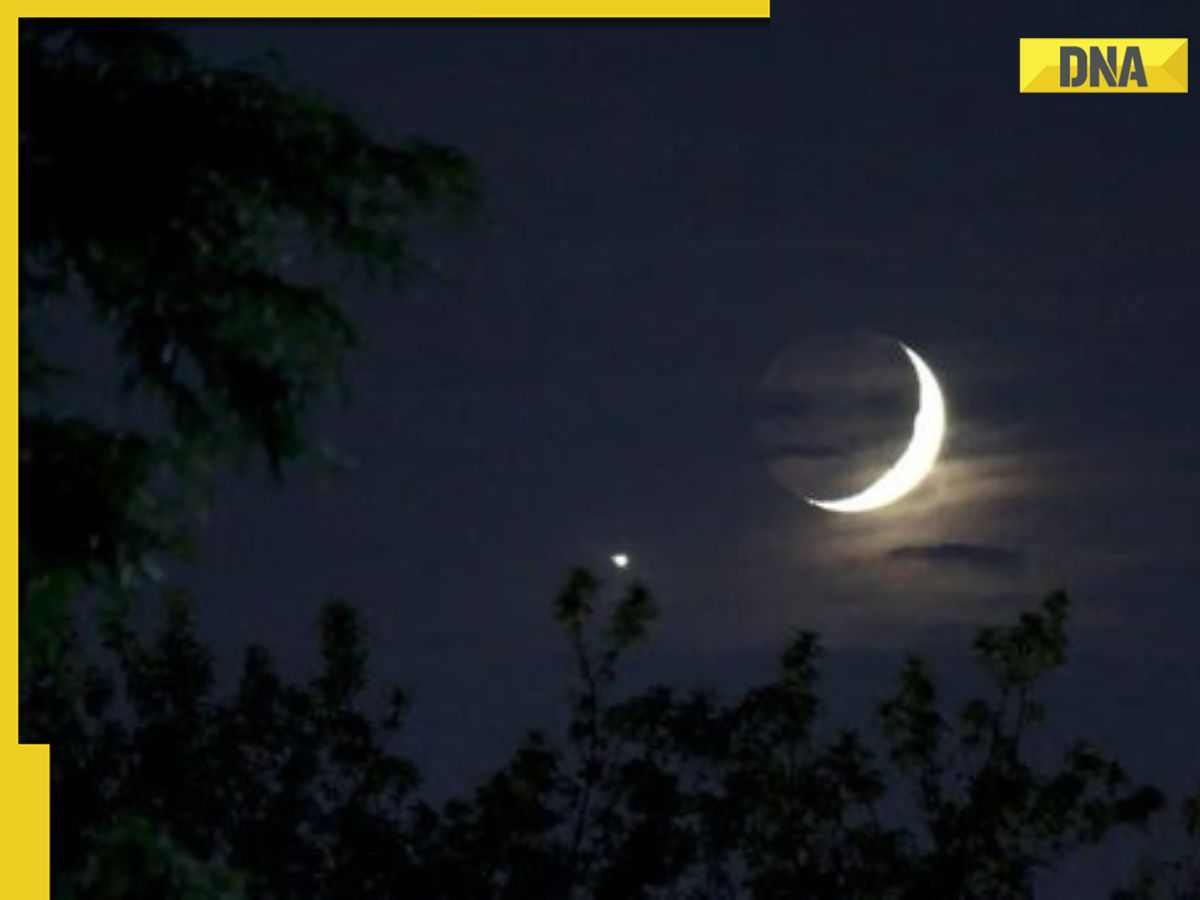
The Central Ruet-e-Hilal Committee operates as Pakistan’s authoritative body for lunar calendar determinations, particularly for Islamic months like Ramadan. Under the calibrated leadership of Maulana Abdul Khabeer Azad, the committee convenes in Peshawar, systematically aggregating testimonies of moon sightings. Simultaneously, Zonal Ruet-e-Hilal committees conduct parallel observations at their regional offices. Furthermore, this structural protocol ensures broad geographical coverage and enhances data integrity. The committee’s definitive declaration of the holy month’s commencement on Thursday, February 19, emerged from this meticulous process, confirming the crescent’s visibility and thereby establishing its official beginning. This rigorous, evidence-based approach underpins national unity in religious observance.
The Socio-Economic Impact: Calibrating Daily Life Post-Ramadan 2026 Start Date
This official confirmation of Ramadan’s beginning directly impacts the daily lives of millions of Pakistani citizens. For students, schools and universities often adjust their timetables, allowing for modified study schedules during fasting hours. Professionals, particularly in urban centers, frequently experience altered office hours, fostering an environment conducive to spiritual reflection while maintaining productivity. Moreover, households across both urban and rural Pakistan will recalibrate their routines around Suhoor and Iftar, influencing everything from market dynamics to family gatherings. This synchronized national commencement ensures social cohesion, minimizing logistical ambiguities and enabling families to collectively prepare for a month of spiritual growth and community engagement.
The Forward Path: A Stabilization Move for National Cohesion
This development fundamentally represents a Stabilization Move rather than a disruptive “Momentum Shift.” The timely and unified announcement of the holy month’s commencement demonstrates the robust functionality of Pakistan’s lunar observation infrastructure. Precision in such declarations is crucial; it prevents public confusion and fosters a sense of national unity in religious practice. Consequently, maintaining this predictable, transparent system for key religious dates reinforces societal stability and allows for optimal resource allocation and public planning. It is a testament to an efficient, well-calibrated institutional process ensuring consistency for all Pakistani citizens.









