A critical structural anomaly in the application of ICC Playing Conditions catalyzed a significant controversy during the third T20I between Australia and Pakistan. Australian all-rounder Cooper Connolly’s dismissal as stumped, which was later determined to be non-compliant with established regulations, brought into sharp focus the imperative for precise adherence to international cricketing standards. This incident underscored the strategic importance of meticulously calibrated officiating in high-stakes international competition, directly impacting match outcomes and player integrity.
A Calibrated Review: The Connolly Dismissal
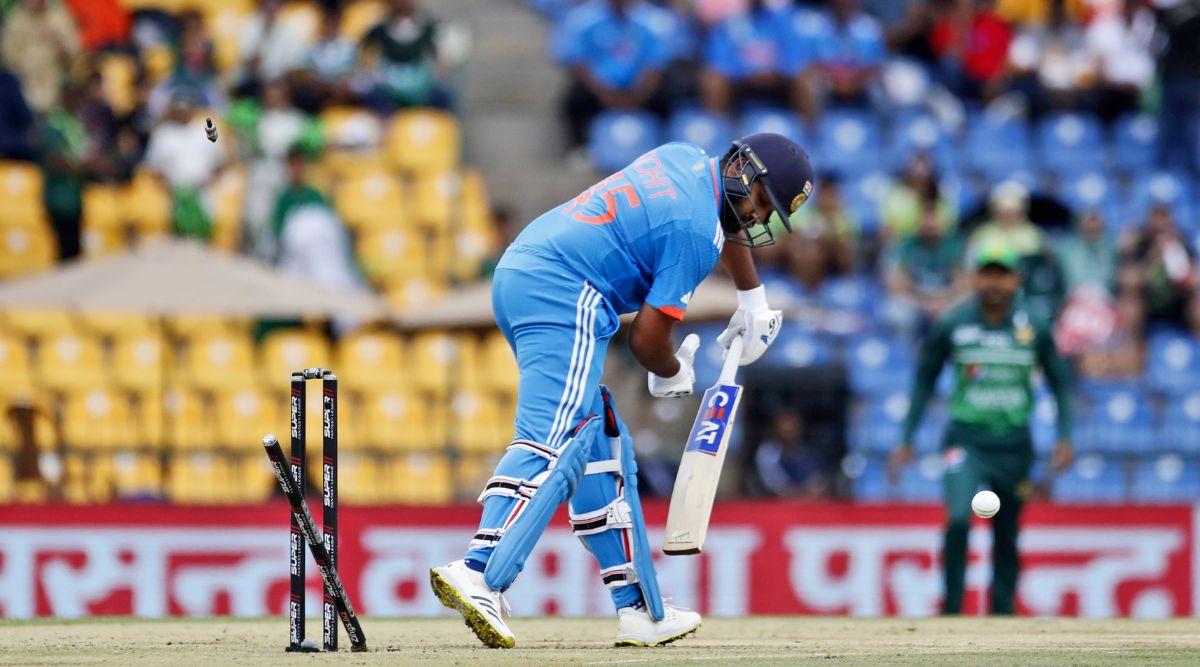
During the third T20I, Cooper Connolly arrived at the crease with Australia in a precarious position, battling at 82 for 6 while chasing 208. Unfortunately, his stay was brief. He survived only two deliveries before becoming Mohammad Nawaz’s fifth wicket, seemingly stumped after missing a sharply turning ball down the leg side.
Pakistan wicketkeeper Khawaja Nafay appeared to complete a routine stumping, with Connolly clearly out of his crease. Consequently, Australia was reduced to 82 for 7. This ultimately contributed to their heaviest T20 international defeat, losing by 111 runs and being bowled out for just 96.
Deconstructing the Fair Stumping Protocol
ICC Playing Conditions: Rule 29.2.1 Clarified
Post-match television replays revealed a crucial oversight: Nafay had broken the stumps using his left hand, while the ball remained in his right. This subtle yet critical detail went unnoticed by the on-field officials. Furthermore, under the explicit directives of the ICC Playing Conditions, specifically Clause 29.2.1, such a dismissal is not considered valid. This rule mandates that a wicket is fairly broken only if the fielder is holding the ball in the same hand used to remove the bails or uproot the stumps.
Therefore, since Nafay’s actions did not align with this stipulated requirement, Connolly’s dismissal should have been ruled not out. This highlights a fundamental breach of protocol.
Repercussions on Sporting Integrity in Pakistan
This controversial decision inevitably raised questions about the precise application of rules within high-pressure cricketing environments. For Pakistani citizens, particularly students and aspiring professionals engrossed in the sport, such incidents can subtly erode confidence in the impartiality and efficiency of officiating bodies. A perception of inconsistent rule enforcement might discourage young talent, impacting the developmental baseline of future cricketers across urban and rural Pakistan.
Conversely, a rigorous post-match analysis and transparent communication regarding such errors can serve as a catalyst for improved training and technology integration. It ensures that the structural integrity of the game is upheld, benefiting both players and passionate fans who demand equitable play.

Advancing Precision: A Stabilization Move for Cricket’s Future
This incident represents a Stabilization Move rather than a momentum shift. It serves as a vital audit point, compelling international cricketing bodies to recalibrate their officiating protocols and enhance real-time decision-making systems. The clarity and precision of ICC Playing Conditions are paramount for maintaining the sport’s global credibility.
Consequently, investing in advanced umpire training and leveraging cutting-edge technology to assist on-field decisions becomes a strategic imperative. This ensures a consistent and fair competitive landscape for all participating nations. Ultimately, upholding these standards guarantees that future match outcomes are determined solely by player skill and strategic execution, not by procedural misinterpretations.
Strategic Implications: Australia’s T20 Series & World Cup Trajectory
The controversial dismissal added to a challenging series for Australia, who struggled significantly against Pakistan’s formidable spinners. They were ultimately swept 3–0 in the three-match series, marking two of their three biggest defeats in T20I history during this tour. This performance mandates a critical re-evaluation of their strategic approach.
Ahead of the T20 World Cup, Australia now faces a solitary warm-up match against the Netherlands on February 5 in Colombo, before commencing their campaign against Ireland on February 11. Meanwhile, Pakistan is strategically preparing with a warm-up game against Ireland on February 4, preceding their World Cup opener against the Netherlands on February 7. Both teams are now focused on fine-tuning their operational readiness.