Calibrated Energy Response: Pakistan Navigates Qatar LNG Supply Halt
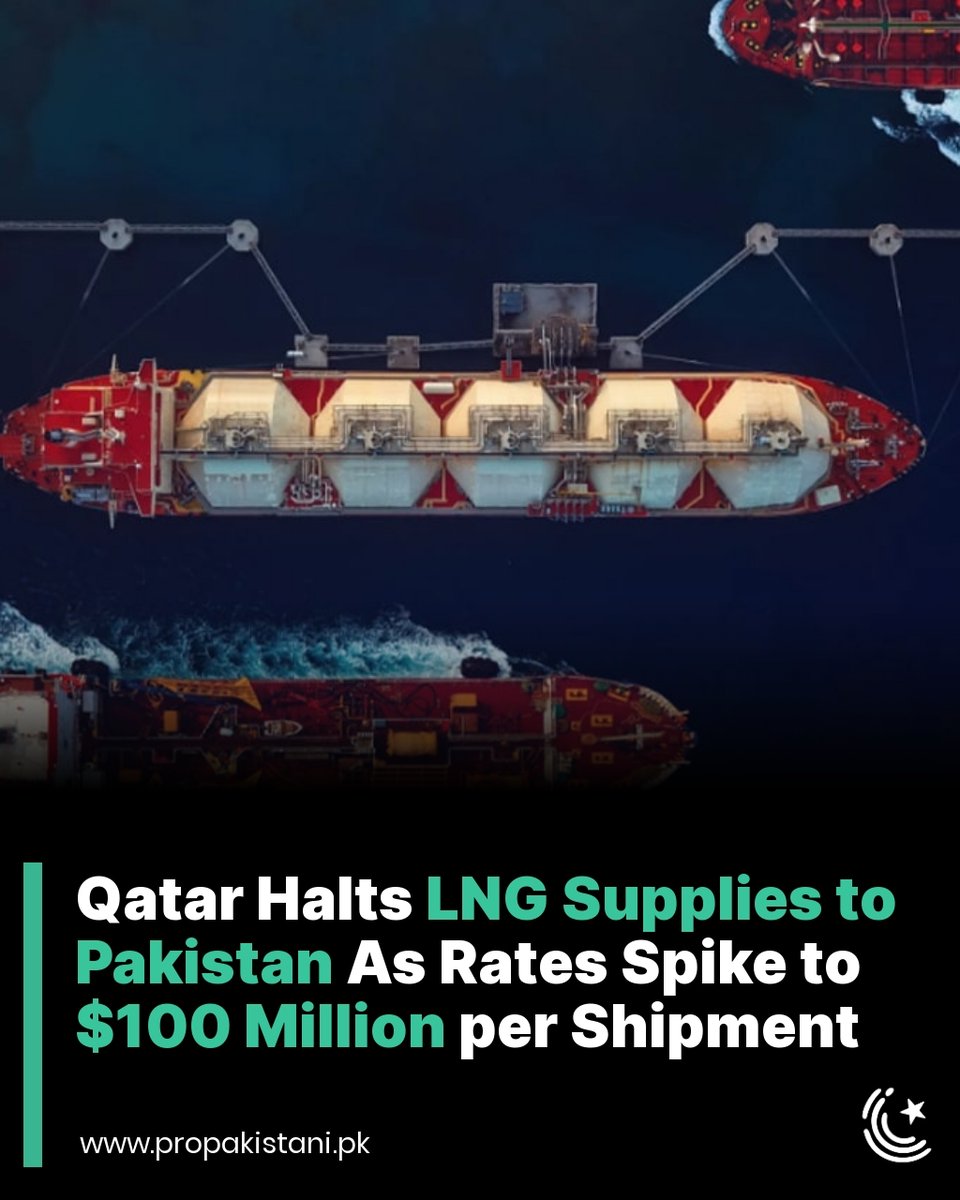
Pakistan faces a critical energy supply recalibration following Qatar’s suspension of Qatar LNG supplies, a declaration necessitated by ongoing regional conflict. Finance Minister Muhammad Aurangzeb confirmed this pivotal development to the Senate Standing Committee on Finance. He highlighted a stark quadrupling of cargo prices, escalating from approximately $25 million to an unprecedented $100 million per shipment. This structural shift demands immediate, decisive actions to secure national energy stability and mitigate cascading socio-economic impacts on Pakistani households and industries.
The Translation: Deconstructing the Energy Market Dynamics
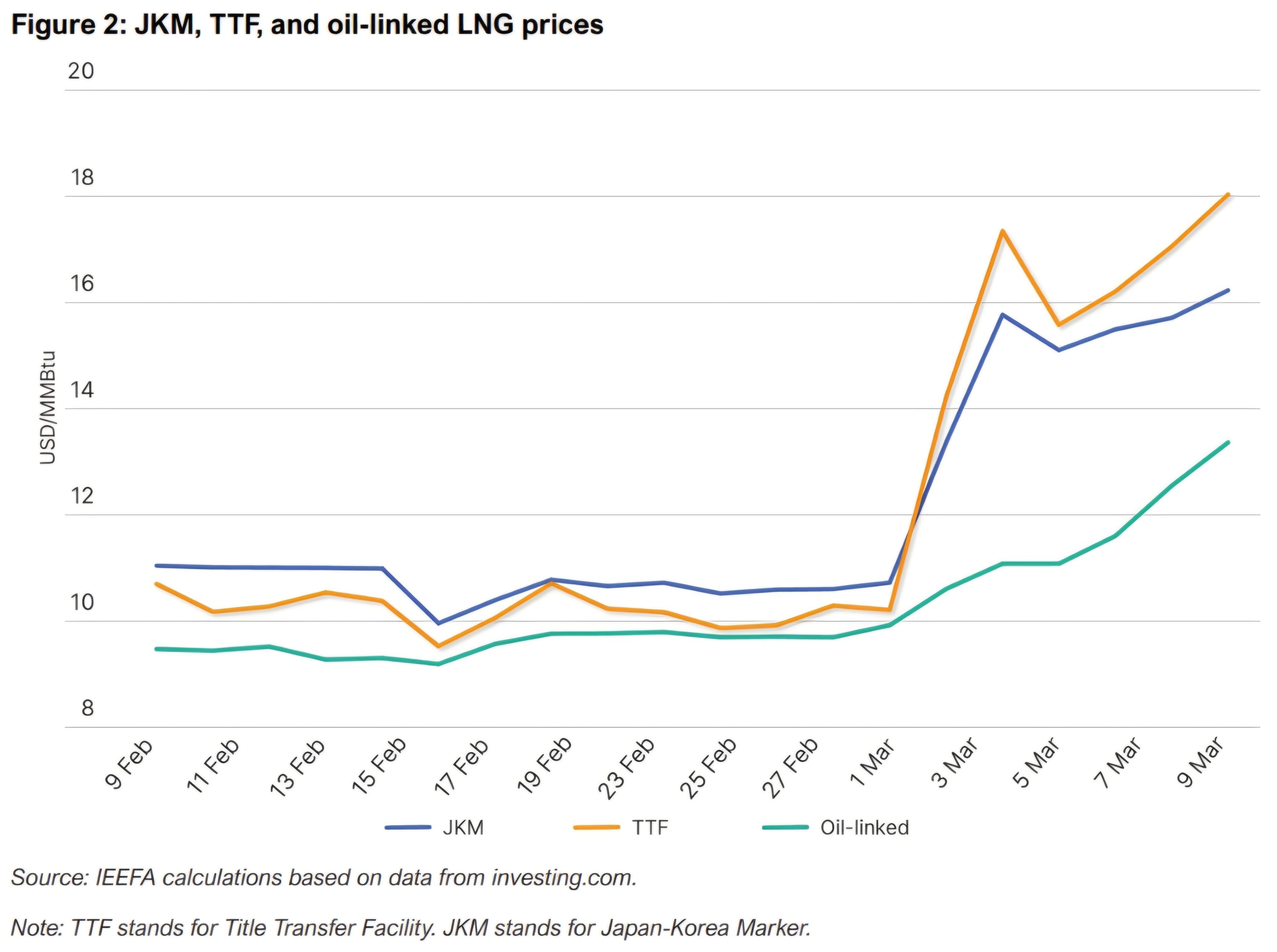
The declaration of force majeure by Doha signifies an unforeseen event, beyond contractual control, compelling Qatar to halt its liquefied natural gas (LNG) deliveries to Pakistan. Consequently, this strategic withdrawal, directly attributable to the regional geopolitical landscape, has exerted immense upward pressure on global energy commodity valuations. The dramatic price spike, specifically in LNG cargo costs, represents a formidable fiscal challenge for Pakistan’s energy procurement strategy. Furthermore, the government has established a ministerial committee, under the Prime Minister’s directive, to conduct daily monitoring of petroleum products and energy prices, ensuring a calibrated national response.
The Socio-Economic Impact: Daily Life and National Resilience
This evolving energy landscape directly impacts the daily lives of Pakistani citizens across both urban and rural centers. The escalating cost of Qatar LNG supplies and petroleum products poses a significant inflationary risk, potentially increasing transportation costs, utility bills, and the overall cost of living for households. Professionals and students, reliant on stable energy for commutes and digital infrastructure, face potential disruptions. Already, several regional economies, including Sri Lanka and Bangladesh, have implemented fuel rationing measures due to similar market volatility. This underscores the critical need for Pakistan to preemptively fortify its energy security framework to safeguard its populace from severe fuel shortages.
The “Forward Path”: A Structural Momentum Shift
This development unequivocally represents a Momentum Shift for Pakistan’s energy policy. Petroleum Minister Ali Pervaiz Malik highlighted the unprecedented fluctuations in global crude oil prices and the increasing difficulty in securing shipping insurance. Moreover, he noted that oil shipments from Saudi Arabia now require an extended transit time of 15 to 20 days, further stressing logistics. Pakistan must pivot towards a diversified and resilient energy portfolio, accelerating investment in indigenous renewable energy sources and strategically securing long-term supply agreements. This is not merely a stabilization move; it is a catalyst for fundamentally re-engineering our energy baseline for sustainable national advancement.