
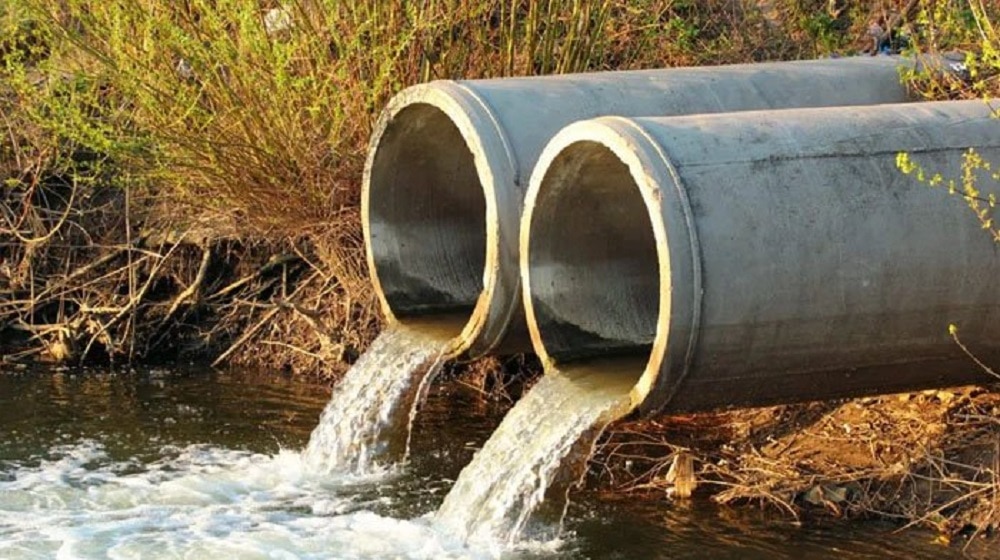
Pakistan’s infrastructure development takes a strategic leap forward with the colossal Faisalabad sewerage upgrade project. The Water and Sanitation Agency (WASA) Faisalabad has meticulously calibrated a PC-II initiative, valued at an unprecedented Rs. 141 billion, to systematically resolve the city’s entrenched sewerage challenges. This monumental undertaking is not merely a repair; it represents a sustainable, long-term solution, precisely aligning with national climate change objectives and the Japan International Cooperation Agency (JICA)’s Master Plan extending to 2028. Consequently, this initiative establishes a new baseline for urban water management in one of Pakistan’s vital economic hubs.
The Translation: Deconstructing Faisalabad’s Critical Sewerage Infrastructure
For decades, Faisalabad, a pivotal textile hub, has contended with systemic sewerage deficiencies, particularly within its rapidly developing, unplanned sectors. Water and Sanitation Agency (WASA) Managing Director Saqib Raza has precisely highlighted how the absence of structured sewerage networks has led to substantial wastewater accumulation in open plots. This accumulation has had a cascading effect, disturbing critical soil structures and, more critically, contaminating vital groundwater resources over time. Therefore, this project establishes a baseline for environmental remediation.
To mitigate immediate environmental degradation, WASA has initiated targeted interventions. This includes deploying dewatering sets to empty wastewater ponds and strategically diverting wastewater to existing sewerage networks or designated disposal points. Furthermore, this immediate action complements a broader structural re-evaluation. According to Raza, this comprehensive initiative forms a core component of the Punjab Development Package, specifically designed to elevate and expand existing sewerage infrastructure. However, a significant challenge has persisted, with numerous peripheral areas of Faisalabad remaining without adequate sewerage coverage until this critical intervention.

Socio-Economic Impact: Calibrating Daily Life Through the Faisalabad Sewerage Upgrade
This expansive Faisalabad sewerage upgrade directly addresses critical public health and environmental challenges impacting everyday Pakistani citizens. Uncontrolled wastewater not only diminishes urban aesthetics but also poses severe health risks through groundwater contamination, affecting potable water supplies and agricultural practices. Consequently, the Rs. 141 billion investment translates into a tangible improvement in living standards across urban and rural households alike. Students will benefit from cleaner environments, professionals from enhanced public health, and families from a safer, more hygienic city.
Moreover, the project incorporates robust climate resilience measures, a strategic imperative given recent climatic patterns. Raza referenced last year’s significant 300 millimeters of rainfall, underscoring the need for adaptive infrastructure. To proactively manage excess stormwater and prevent urban flooding, WASA is structurally integrating recharge wells throughout the city. Currently, three wells are operational, with ten more under active construction. The agency targets 13 to 15 such wells, leveraging its internal resources to build this vital capacity. This strategic move ensures the system’s longevity against escalating environmental pressures.

The Forward Path: A Structural Momentum Shift for Urban Infrastructure
WASA’s proactive engagement in this initiative underscores its expanding role as a catalyst in both climate change mitigation and strategic urban water management. This Faisalabad sewerage upgrade is not an isolated effort; it is part of a larger, meticulously planned trajectory of national development. Previously, significant allocations of Rs. 10.5 billion and Rs. 12.5 billion have bolstered various infrastructural projects, with additional PC-II proposals currently under rigorous preparation. This consistent investment pipeline indicates a sustained governmental commitment to infrastructural robustness.
From a “Next Generation Pakistan” perspective, this development unequivocally represents a Momentum Shift. The sheer scale of investment, coupled with the integrated approach to climate resilience and long-term urban planning, moves beyond mere maintenance. It signifies a strategic re-prioritization of foundational infrastructure, establishing a higher baseline for environmental health and public welfare. This project is a structural calibration towards a more resilient and sustainable urban future for Pakistan.









