
Public Poll Sparks Debate on Punjab Winter Vacations
A recent public poll, launched by Punjab Education Minister Rana Sikandar Hayat on X, has sparked considerable debate. This poll specifically asked social media users about a potential Punjab Winter Vacations Extension for schools and colleges. Thousands responded, clearly showing a strong desire for longer holidays across the province. Evidently, public sentiment leans towards an extended break.
The poll presented a simple question: “When should schools and colleges reopen in Punjab?” Voters chose between January 12th and January 19th. A significant 83% preferred the later date of January 19th. In contrast, only 17% supported reopening on January 12th. This decisive outcome highlights a clear public demand for more winter holiday time, likely influenced by current weather conditions.

Initial Vacation Announcements Caused Confusion
Discussions about winter vacation schedules in Punjab frequently lead to public uncertainty. Initially, the Punjab government announced holidays for all public and private schools. These vacations were set from December 22nd to January 10th. This official statement aimed to offer clear guidance for students, parents, and educators.
Nevertheless, before schools were due to reopen, unverified messages spread on social media. These messages suggested changes to the reopening date. Consequently, parents became worried, seeking official confirmation. Education Minister Rana Sikandar Hayat previously addressed these rumors. He affirmed that the government had no plans for extending the holidays. Furthermore, he advised the public to ignore unverified information.
Public Demands an Extended School Break
Over 25,000 votes were cast in the online poll, showcasing massive public interest. While the poll lacks official power, it serves as a vital indicator of public sentiment. The strong preference for extending holidays until January 19th shows a collective desire. This desire is likely driven by the region’s intense cold wave and health concerns for students. Thus, many favor an extended winter break.
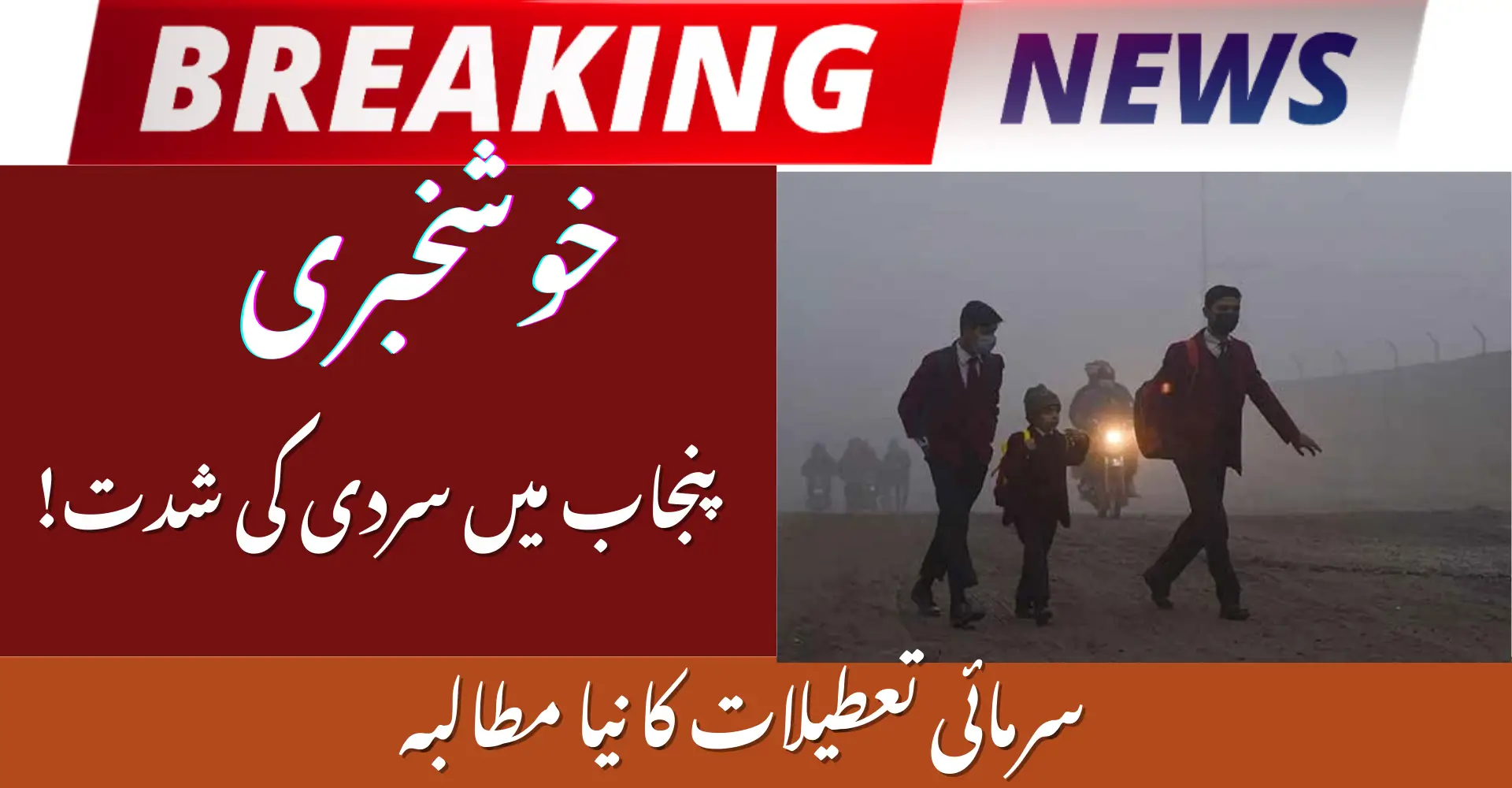
Parents and students largely support longer holidays. They highlight challenges like dense fog and low temperatures. Additionally, they point to potential health risks from returning to school in harsh winter weather. They contend that a slightly longer break ensures student safety. It also allows for a smoother return to academic life. This viewpoint emphasizes how weather impacts education and daily routines.
Poll Results: Challenging Official Policy
The education minister previously stated there would be no extension. However, the poll results strongly advocate for reconsideration. The high number of votes and clear preference for a later reopening date are undeniable. This raises a vital question: Can informal public opinion, even from social media polls, sway policy in a democratic society? Indeed, the poll highlights a significant public desire for a Punjab Winter Vacations Extension.
Currently, authorities must balance official policy with strong public sentiment. Academic calendars are usually set far in advance. Nonetheless, severe weather or widespread public demand often prompts reviews and adjustments. The continuing debate about winter vacations underscores crucial points. These include public engagement and open communication between government and citizens. Ultimately, this transparency is key.

Final Decision Awaited on Punjab Winter Vacations Extension
Punjab now awaits the final decision regarding the school reopening date. Education Minister Rana Sikandar Hayat’s public poll certainly elevated this discussion. It effectively highlighted the public’s desire for an extended winter break. Furthermore, it provided a voice to thousands of students and parents. Will this substantial public input revise the official schedule? Only time will tell.
Yet, one thing is certain: the topic of winter vacations remains a widely debated and closely observed issue. This reflects the community’s profound involvement in educational affairs throughout the province. Therefore, the outcome holds significant interest for many stakeholders.








