
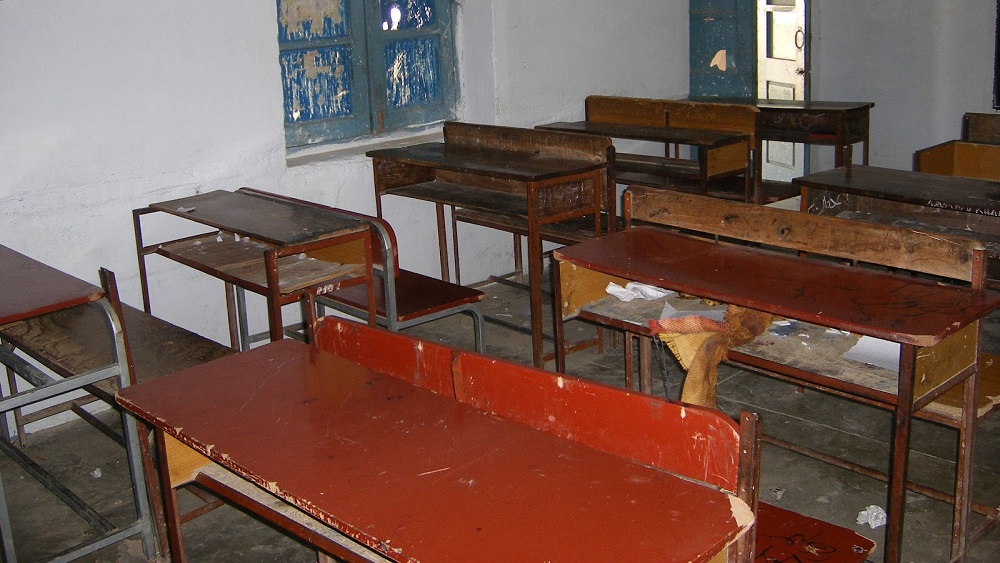
The Government of Punjab has decisively implemented widespread Punjab school closures from March 10 to March 31, impacting all public and private educational institutions. This strategic directive aims to ensure systemic compliance, with severe penalties, including immediate sealing and registration cancellation, awaiting any private school found in violation. Consequently, this move directly disrupts the annual admission cycle and raises critical questions about educational continuity and student academic progression across the province.
The Translation: Deconstructing Punjab’s Educational Mandate
This directive signifies a calibrated effort by the Punjab School Education Department to enforce a uniform operational pause across the entire educational landscape. Historically, March marks the critical window for new admissions and preparatory activities for the upcoming academic year. This mandated closure introduces a structural discontinuity, requiring parents and institutions to adapt to an expedited or deferred process. Fundamentally, the underlying logic is to streamline the educational calendar under central governmental oversight, ensuring adherence to a province-wide directive.
Calibrated Enforcement and Penalties for Non-Compliance
Authorities have outlined a rigorous enforcement protocol to safeguard the integrity of the closure order. Any private institution found operational during this period faces immediate sealing, and its registration is subject to cancellation. Furthermore, show-cause notices will be issued to responsible parties, establishing a clear accountability framework. In public schools, non-compliance could lead to the withholding of headmasters’ and teachers’ salaries, emphasizing a precision-driven approach to ensure widespread adherence.
Eight schools in suburban areas have already been sealed, demonstrating the operational effectiveness of these measures. Moreover, the Rawalpindi District Education Authority explicitly warned institutions against compelling staff or students to report, citing the violation of government directives and the imposition of undue burden on personnel amid fuel shortages and inflation. This reinforces the government’s resolve to maintain a baseline of public health and safety.
Strategic Impact on Admission Cycles and Student Progress
The prohibition on new admissions has critically disrupted the conventional March admission cycle. Ordinarily, this month facilitates the enrollment of young children into foundational classes such as nursery, kindergarten, and Grade 1. Consequently, with the closure initiated on March 10, the admission process has largely stalled. Education officials project a substantial decline in this year’s admissions, potentially an 80 percent drop compared to the previous year, highlighting a significant challenge to educational enrollment metrics.
Educational Continuity: Challenges and Criticisms
Private school associations, spearheaded by Abrar Ahmed Khan and Irfan Muzaffar Kiani, have vocalized strong criticism regarding the government’s decision. They assert that the education sector is being treated as a “testing ground,” referencing that even nations amidst conflict have maintained some form of educational continuity. The association leaders contend that the closures have paralyzed both annual examinations and admissions, demanding the immediate resumption of school operations and permission to finalize academic processes.
Conversely, authorities have decreed that all public school students from Grade 1 to Grade 7 will be promoted without formal failure by March 31. This decision acknowledges the impracticality of conducting fully transparent annual examinations under the prevailing circumstances, prioritizing student academic progression over conventional assessment methods.
The Socio-Economic Impact: Daily Life Adjustments in Punjab
For Pakistani citizens, particularly families in urban and rural Punjab, these Punjab school closures translate into immediate, tangible adjustments. Students, especially those seeking admission to nursery, kindergarten, or Grade 1, face unforeseen delays, which could induce anxiety among parents concerned about their children’s foundational learning and future prospects. Professionals in the education sector, including teachers and administrators, navigate uncertain work schedules and potential salary implications. Furthermore, the reported 80 percent decline in admissions compared to the previous year projects a tangible economic strain on private institutions and poses a long-term challenge to the educational enrollment baseline across the province.
The “Forward Path”: Stabilization or Momentum Shift?
This development fundamentally represents a Stabilization Move rather than a Momentum Shift. While necessary for coordinated governance, the abrupt disruption to admissions and examinations reflects a reactive measure to an immediate challenge. For true progress and national advancement, a more anticipatory and resilient educational framework is essential. Such a framework would maintain continuity even amidst unforeseen operational pauses, incorporating digital learning contingencies and adaptive assessment methodologies to fortify our educational infrastructure against future disruptions. This approach ensures systemic efficiency and sustained student academic progression.








