
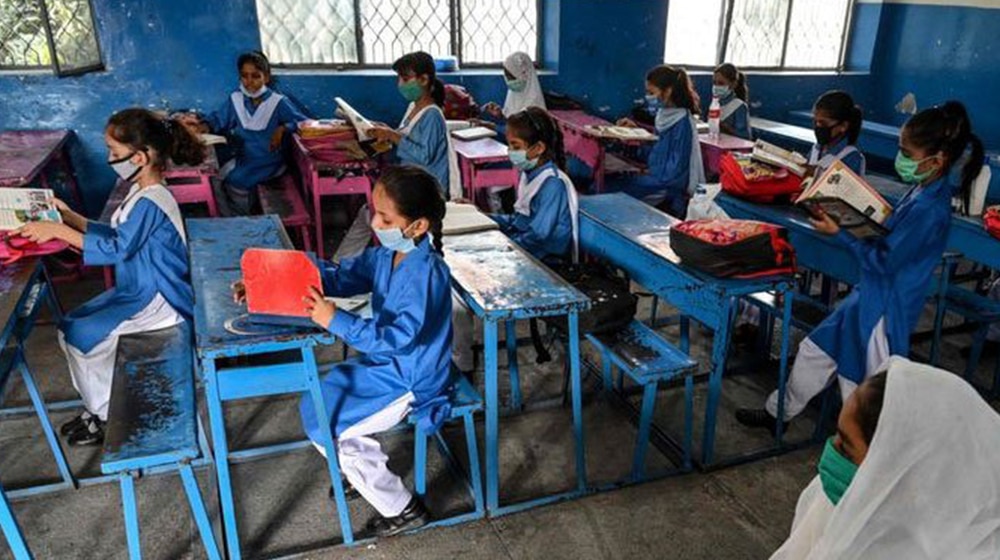
Pakistan is undergoing a significant educational recalibration as the Government of Punjab implements a strategic initiative to enhance learning outcomes and reduce the critical number of out-of-school children. This involves the Punjab school outsourcing of 2,735 additional public schools to non-governmental organizations (NGOs) and private operators. The Punjab Education Foundation (PEF) facilitates this process, marking a pivotal step in the region’s educational infrastructure. Applications were invited with a March 31 deadline, and selected operators are set to assume control by April, aiming for a swift operational transition.
The Translation: Deconstructing the Outsourcing Model
This initiative represents a structural move towards decentralized education management. Specifically, the outsourcing model transfers the administrative and operational responsibilities of designated government schools to experienced private entities or NGOs. These operators are selected based on their proven capacity to improve educational standards, crucially leveraging their expertise to elevate quality. Furthermore, this approach aims to integrate more children into the formal schooling system, directly addressing the prevalent issue of educational access in the province.

Scaling the Education Reform
Reports indicate a broader, two-phase governmental plan to outsource over 14,000 schools across Punjab. Last year, the administration successfully transitioned over 11,000 institutions in the initial phase. This significant expansion suggests a long-term strategic commitment to private-public partnerships within the education sector. However, this calibrated shift could potentially impact over 40,000 teaching positions, necessitating careful management of human capital. Chief Minister Maryam Nawaz chaired the May 4, 2025, meeting in Lahore where these developments were highlighted.
Socio-Economic Impact: Calibrating Futures
This Punjab school outsourcing initiative profoundly influences the daily lives of Pakistani citizens, especially students and their families. For students, the transition aims to deliver improved learning environments, potentially offering better resources and teaching methodologies previously unavailable in some public schools. Consequently, enhanced educational quality can directly translate into better future opportunities, fostering a more skilled workforce. For professionals, particularly educators, the reform brings both opportunities and uncertainties. It mandates a strategic re-evaluation of roles and skill sets within the evolving educational landscape.
Addressing Rural and Urban Disparities
The policy’s reach into both urban and rural areas implies a unified effort to uplift educational standards across the province. In urban centers, it could optimize existing resources, while in rural settings, it could introduce structures where formal education struggled. This structural reform seeks to minimize the disparity in educational access, ensuring a more equitable distribution of quality schooling. Effectively, it becomes a baseline for future human capital development, aiming to close the gap for the nearly 10 million children reportedly out of school in the province.
Navigating Dissent: Structural Criticisms
Despite the government’s stated objectives, the outsourcing strategy has encountered significant criticism. Hafiz Naeem ur Rehman, chief of Jamaat-e-Islami Pakistan, voiced concerns over the provincial government’s fiscal priorities. He alleged a 31 percent increase in poverty within Punjab, contrasting it with substantial government expenditures on non-developmental assets, specifically referencing the acquisition of an Rs11 billion aircraft. He also asserted that public funds are being diverted to advertisements rather than critical development projects.
The Class-Based Education Conundrum
Hafiz Naeem further articulated that while education is a constitutional right, the current trajectory is solidifying a class-based system. This structural critique posits that access to quality schooling increasingly becomes a privilege, not a universal right. Therefore, despite the intention to improve standards, the method of Punjab school outsourcing itself raises fundamental questions about equity and public responsibility for foundational services. This perspective highlights the complex interplay between systemic reform and its socio-political implications.
The Forward Path: A Momentum Shift or Stabilization Move?
This widespread Punjab school outsourcing initiative appears to be a dual-faceted strategy: a calculated stabilization move for underperforming institutions and a potential momentum shift for overall educational advancement. While the immediate goal is stabilization and improved baseline performance, the sheer scale of the 14,000-school plan suggests a more ambitious, long-term transformation. For instance, if private operators consistently deliver higher-quality education, this could catalyze a systemic upgrade. However, the inherent risks associated with privatizing a fundamental public service, coupled with fiscal transparency concerns, warrant continuous monitoring.
Ultimately, the success of this large-scale structural reform hinges on meticulous oversight and robust accountability mechanisms. It is imperative to ensure that the pursuit of efficiency does not inadvertently exacerbate educational inequities. Consequently, this initiative requires precise calibration to achieve its stated goals of elevating standards and integrating out-of-school children, thereby advancing Pakistan’s national human development index.








