

Pakistan’s urban infrastructure is evolving, and Lahore is at the forefront of this calibrated advancement. The Punjab government has strategically initiated the introduction of a Lahore Smart Transport (SRT) system. This precision-engineered initiative will operate along the vital Yellow Line route, marking a significant structural upgrade in the city’s public transit network.
Chief Minister Maryam Nawaz has assigned Provincial Transport Minister Bilal Akbar Khan the critical mandate to operationalize this project swiftly. Consequently, the provincial administration is expediting all necessary processes to bring this modern transit solution online, aiming for an accelerated deployment timeline.
The Translation: Deconstructing Lahore’s Smart Transport Blueprint
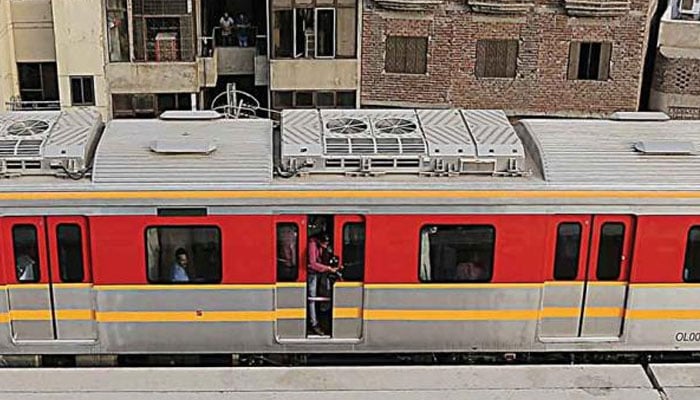
The Lahore Smart Transport system is not merely an addition; it represents a comprehensive upgrade. Specifically, Minister Khan confirmed that the SRT will traverse Canal Road, extending approximately 26 kilometers from Thokar Chowk to Harbanspura. This extensive corridor will incorporate around eight strategically located stations, optimizing accessibility for commuters across the urban expanse.
Furthermore, the system’s operational baseline includes six state-of-the-art rail units. This configuration is projected to serve over 12,000 passengers daily, directly addressing the escalating demand for efficient urban mobility. The estimated investment for this catalytic project ranges between Rs.6 billion and Rs.8 billion, underscoring its significant economic footprint.
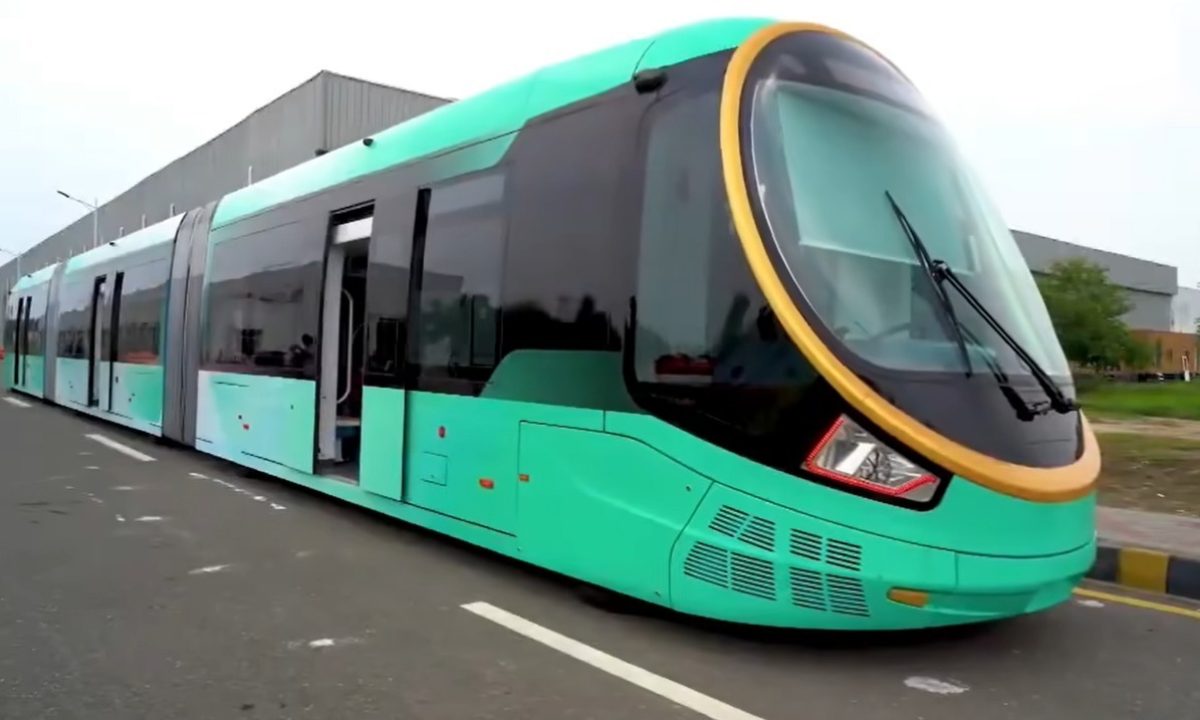
Despite its alignment with the existing Yellow Line conceptual framework, the government has set an ambitious one-month target for the SRT system’s operational launch. This accelerated schedule is a testament to the administration’s commitment. Authorities have already commenced the tender process, ensuring a transparent and competitive selection for project implementation.
The Socio-Economic Impact: Calibrating Daily Life for Pakistanis
This initiative will fundamentally recalibrate the daily commute for thousands of Pakistani citizens in Lahore. For students, this advanced transit system promises reduced travel times and enhanced safety, allowing more focused academic pursuits. Professionals will experience a more predictable and less stressful journey to work, consequently boosting productivity and overall quality of life.
Households, both urban and peri-urban, will benefit from improved connectivity to key economic and social hubs. This rapid transit solution acts as a catalyst for broader economic activity, facilitating access to employment opportunities and essential services. Moreover, the project’s precise operational framework aims to alleviate traffic congestion, leading to a cleaner urban environment and reduced fuel consumption across the city.
The “Forward Path”: A Momentum Shift for Urban Development
This development undeniably represents a Momentum Shift for Lahore’s urban infrastructure. The rapid deployment target and significant investment signal a proactive approach to modernizing public services. It sets a new baseline for future urban planning and demonstrates a commitment to leveraging advanced transport solutions for national advancement.
The efficient execution of the SRT system will establish a critical precedent, fostering public confidence in large-scale infrastructure projects. Furthermore, its success can serve as a structural model for other Pakistani cities grappling with similar urban mobility challenges, propelling a nationwide wave of smart infrastructural upgrades.








