

Punjab has initiated a calibrated infrastructure project, led by Chief Minister Maryam Nawaz, to install 358 underground water tanks across the province. This strategic deployment aims to enhance rainwater drainage, significantly improve groundwater recharge, and bolster the region’s hydrological resilience. This transformative initiative, a core component of the Punjab Development Programme, directly addresses critical water management challenges, setting a new baseline for provincial environmental sustainability.
The Chief Minister’s precise directive emerged from a video-link meeting, meticulously reviewing the Punjab Development Programme, clean water initiatives, and the Model Village Project. Officials presented a structural briefing, detailing ongoing development schemes designed for optimal impact. Consequently, this approval marks a pivotal step in upgrading urban and rural water management systems.
The Translation: Advancing Water Resource Management
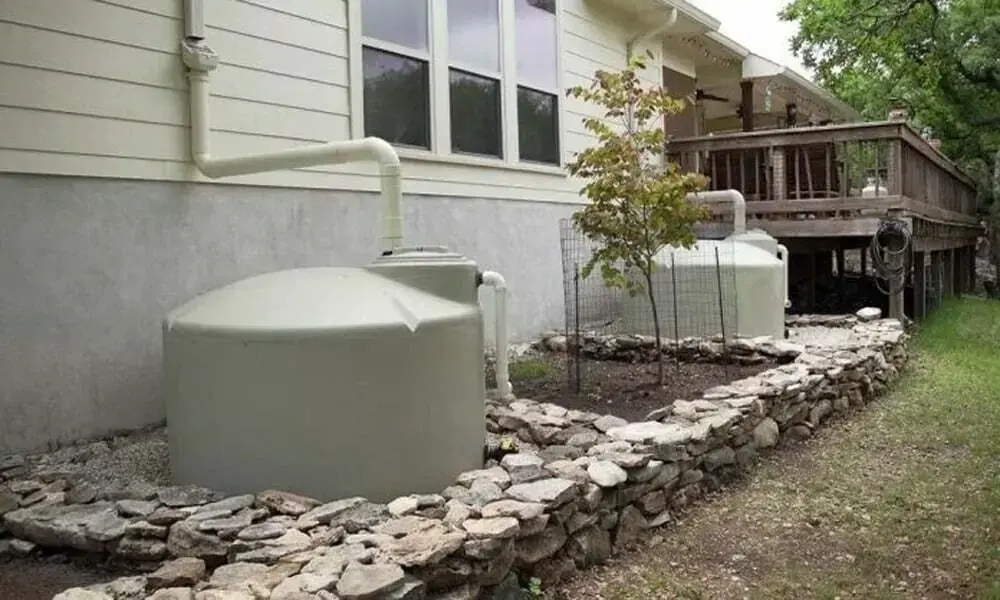
This initiative involves a two-pronged structural approach. First, 34 substantial underground water tanks are designated for urban centers. Their primary function is to facilitate the timely, efficient drainage of rainwater, mitigating seasonal flooding. Second, an additional 324 roadside tanks will be constructed, specifically targeting water accumulation on streets during rainfall events. Furthermore, this dual strategy ensures comprehensive coverage for both large-scale urban drainage and localized street-level water management.

Integrated Hydrological Systems for Enhanced Efficiency
Crucially, recharge wells will be installed alongside these tanks, functioning as precision instruments to restore groundwater levels. The stored water will also undergo treatment at advanced water treatment plants, enabling its strategic reuse for irrigation. Consequently, this closed-loop system maximizes resource utility and minimizes waste. As an integral component of this broader initiative, 328 new wastewater treatment plants will be established across Punjab, signifying a robust commitment to environmental purification.

The comprehensive development agenda extends beyond water infrastructure. Current projects encompass:
- Paving 6,100 kilometers of streets.
- Laying 3,498 kilometers of sewerage lines.
- Installing 14,679 streetlights.
- Placing 33 million square feet of tuff tiles in public pathways.
To further reinforce municipal service delivery, authorities will deploy 526 modern machines and tractors. Additionally, a new factory in Lahore is poised to commence production of sewerage pipelines with an impressive 100-year lifespan, ensuring long-term structural integrity for the province’s subsurface networks.

The Socio-Economic Impact: Elevating Pakistani Daily Life
This calibrated water infrastructure project directly translates into tangible improvements for Pakistani citizens. For urban households and professionals, the new Punjab water tanks will significantly reduce the disruption caused by monsoon flooding, protecting property and ensuring smoother daily commutes. Students will experience fewer school closures due to waterlogged streets. Furthermore, the reuse of treated water for irrigation offers a strategic benefit to rural farmers, enhancing agricultural productivity and water security in critical agricultural zones. This systemic upgrade promises a cleaner, healthier urban environment and a more resilient agricultural sector, directly impacting public health and economic stability.

The Punjab Rural Sanitation Improvement Programme complements these urban efforts by developing robust drainage systems in villages. A substantial Rs59 billion investment targets 485 villages under the Model Village Project, with foundational work already underway in 200 locations. Plans include the systematic cleaning of wastewater ponds, installation of dedicated treatment plants, and the provision of treated water for irrigation, fostering sustainable rural development.
The Forward Path: A Momentum Shift for Provincial Development
Chief Minister Maryam Nawaz has issued clear directives: ensure optimal functionality of filtration plants for clean drinking water, prioritize the paving of village streets, and complete all drainage projects ahead of the impending monsoon season. She specifically emphasized focused development efforts in Gujrat and Sialkot. This comprehensive, accelerated approach represents a decisive Momentum Shift for Punjab. The sheer scale of development, unparalleled in recent decades, signals a strategic commitment to transforming the province into a modern, resilient entity within the next five years. This is not merely maintenance; it is a structural redesign for future efficiency and progress.








