
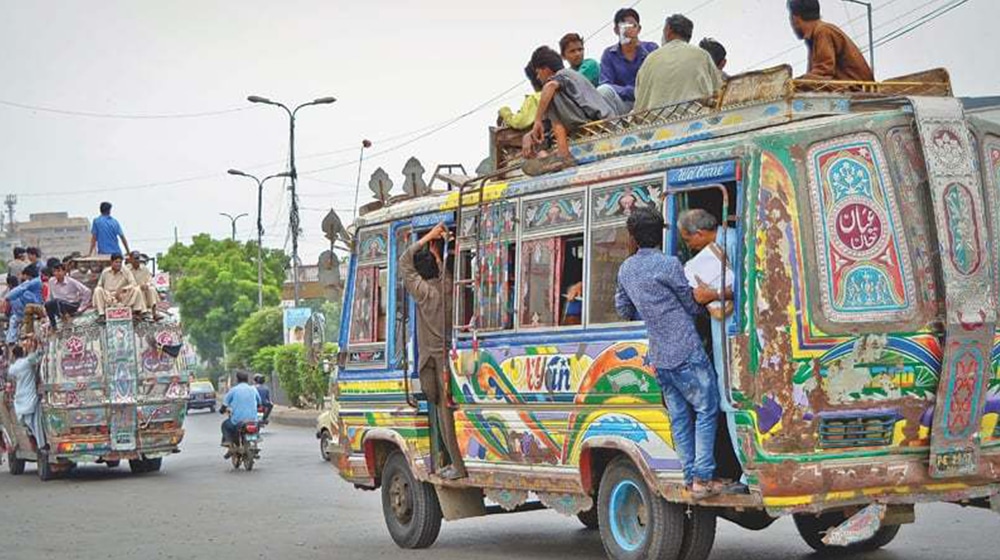
To ensure systemic equity and prevent exploitation during the upcoming Eid-ul-Fitr rush, Chief Minister Maryam Nawaz has initiated a province-wide directive. This strategic enforcement targets transporters charging excessive Punjab transport fares, ensuring strict legal action against violators. The administration prioritizes officially notified fare rates across all districts, aiming to calibrate public services for optimal citizen benefit.
The Translation: Deconstructing Fare Enforcement
Operationalizing Fair Transport Pricing: Enforcing Official Punjab Transport Fares
The directive by Chief Minister Maryam Nawaz is a precise administrative maneuver to standardize public transport costs. It mandates deputy commissioners to actively supervise operations, effectively preventing ticket black marketing. Furthermore, this initiative requires all bus terminals to prominently display approved fare lists. This structural clarity demystifies the pricing model, providing a baseline for passengers to verify charges. Consequently, the government establishes a transparent framework, minimizing ambiguities and empowering commuters.
Socio-Economic Impact: Calibrating Daily Life for Pakistanis
Ensuring Equitable Access and Relief: The Impact of Regulated Punjab Transport Fares
This intervention directly recalibrates the daily travel experience for Pakistani citizens, particularly students, professionals, and families returning home for Eid. For urban and rural households, it translates into tangible financial relief, safeguarding against predatory pricing during peak demand. Beyond mere fare enforcement, the directive also mandates significant improvements in passenger facilities. These include essential amenities like Iftar arrangements for fasting travelers, enhanced cleanliness at terminals, and the provision of proper seating and fans in waiting areas. Consequently, this initiative elevates the standard of public service, making Eid travel more accessible, comfortable, and economically viable for everyone.

The government’s proactive stance is particularly crucial given the broader economic landscape, including fluctuating fuel costs which often influence transport pricing. This directive establishes a necessary buffer, protecting citizens from arbitrary increases that do not align with official regulatory baselines.
The Forward Path: A Strategic Stabilization Move
Enhancing Systemic Accountability in Punjab’s Transport Sector
From an architectural perspective, this development represents a Stabilization Move. It is not a radical innovation but a critical, precision-engineered reinforcement of existing regulatory frameworks. The emphasis on continuous field inspections by the transport department and relevant authorities signifies a commitment to systemic accountability. This proactive oversight is a catalyst for restoring public trust in transportation services. Ultimately, the directive strategically counters exploitative practices, ensuring a more predictable and fair operational environment for both commuters and ethical transporters during high-demand periods.








