Optimizing Water Resources: A Strategic Imperative
Punjab’s government has initiated a calibrated strategy to enhance water security and mitigate flood risks across the province. This involves the Punjab Dam Construction of 17 new small dams, a critical move following projections of significantly above-average rainfall. Chief Minister Maryam Nawaz spearheaded this decision during a pivotal meeting on post-flood arrangements, emphasizing a proactive approach to environmental challenges. Consequently, this infrastructure development aims to stabilize water availability and protect vulnerable communities from extreme weather events.
The Translation: Engineering Resilience Against Climate Volatility
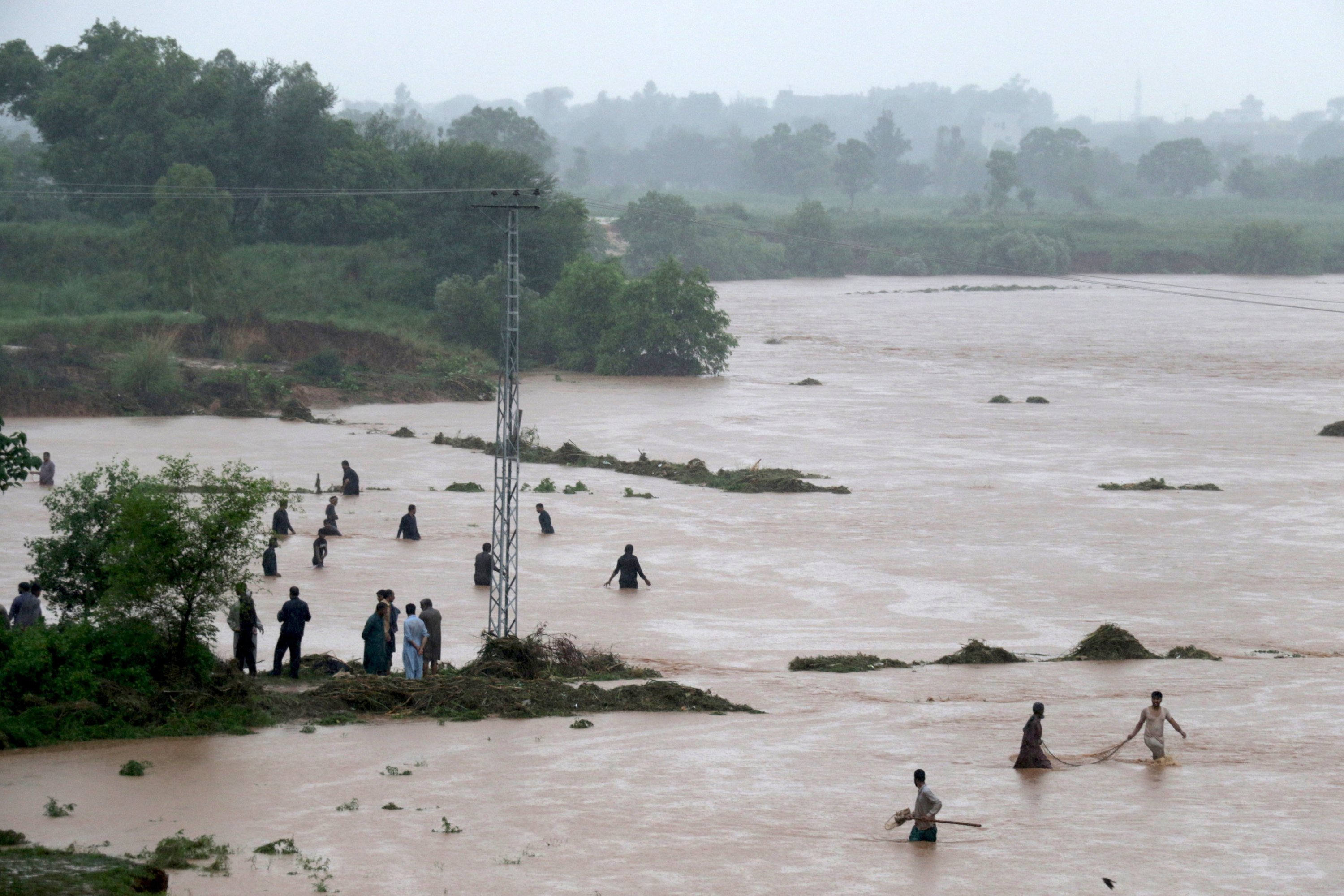
The directive for Punjab Dam Construction translates into a structural upgrade for the province’s water management framework. Officials briefed the meeting on a forecast indicating rainfall up to 28 percent above normal levels for the current year. This data served as a catalyst for approving mini-dams at 17 strategic locations, alongside a dedicated dam project in Chiniot. Furthermore, the administration explicitly banned permanent construction within riverbeds to preserve natural water flow channels. Innovatively, the government will introduce advanced inflatable dam technology, representing a flexible and efficient solution for dynamic water control.
The Socio-Economic Impact: Fortifying Livelihoods and Public Safety
This initiative profoundly impacts the daily lives of Pakistani citizens, from urban households to rural agricultural communities. Specifically, improved flood management safeguards residential areas and vital agricultural lands, preventing economic losses for farmers and ensuring food security. The enhanced water storage capacity at key sites like Kalabagh and Sadhnai directly supports irrigation needs, boosting agricultural productivity. Furthermore, the restructuring of the Provincial Disaster Management Authority (PDMA) into eight new wings and the establishment of District Emergency Operation Centers signify a robust upgrade in disaster preparedness. Ultimately, equipping Rescue 1122 with modern field equipment ensures rapid, effective response during emergencies, directly enhancing public safety and confidence.

The "Forward Path": A Momentum Shift Towards Engineered Sustainability
This comprehensive strategy unequivocally represents a Momentum Shift in Punjab’s approach to environmental resilience and infrastructure development. The integration of advanced technologies like inflatable dams, coupled with a systemic overhaul of disaster management agencies, indicates a forward-thinking paradigm. This is not merely a maintenance effort; rather, it is a structural redesign calibrated for future climatic challenges. The government’s precise planning and investment in critical water infrastructure positions Punjab at the forefront of sustainable resource management within Pakistan, setting a new baseline for provincial advancement.