
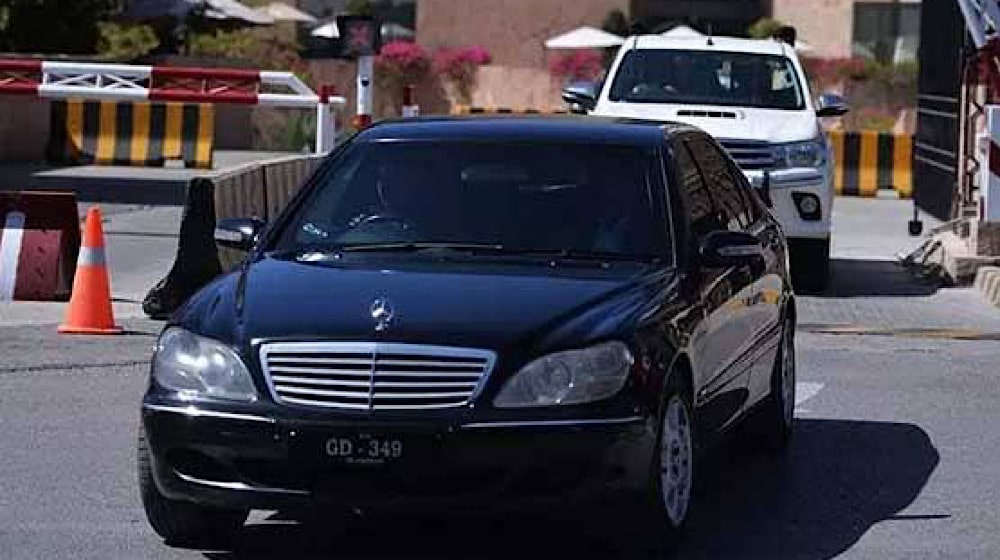
The Punjab government has strategically unveiled the Motor Transport Policy 2026, marking a pivotal structural adjustment for provincial departments. This comprehensive Punjab Vehicle Policy introduces rigorous guidelines for electric vehicle procurement, allocates transport to officers of Grade 17 and above, and precisely recalibrates petrol consumption limits. Consequently, this initiative aims to optimize resource deployment and enhance operational efficiency across the public sector.
The Translation: Unpacking the New Punjab Vehicle Policy
The newly ratified Motor Transport Policy 2026, officially notified by the S&GAD, establishes a baseline for managing government vehicles. Specifically, this policy mandates that all new electric vehicle purchases require explicit approval from the Finance Department. This measure ensures fiscal prudence and strategic investment in sustainable transport solutions. Furthermore, the policy delineates vehicle allocation criteria, restricting access to officers of Grade 17 and above. Interestingly, it also permits a 25-liter increase in the petrol limit for all eligible officers, acknowledging operational demands while maintaining oversight.
The Socio-Economic Impact: Precision in Public Service
This policy directly impacts the operational framework of public services, fostering a more disciplined approach to resource utilization. For professionals within government departments, the clarified vehicle allocation system provides a transparent structure, potentially reducing administrative ambiguities. Moreover, the emphasis on electric vehicle approvals signals a progressive shift towards environmental responsibility, which, in the long term, could influence public infrastructure development. Ultimately, while the petrol increase offers immediate operational flexibility, the overarching policy establishes a framework for greater accountability in the use of public assets, influencing the overall cost of governance. These structural changes aim to streamline daily government functions, indirectly improving the efficiency experienced by citizens interacting with these departments.

The “Forward Path”: A Strategic Stabilization Move
This development represents a Stabilization Move rather than a dramatic Momentum Shift. The Punjab government’s issuance of the Motor Transport Policy 2026 is a necessary recalibration of existing protocols. It introduces a more structured, transparent system for vehicle acquisition and management. While it does not fundamentally transform the public transport landscape overnight, it lays a crucial foundation for future advancements, particularly in integrating electric vehicles. The policy demonstrates a commitment to operational efficiency and fiscal accountability, which are vital for sustained national progress.

Future Outlook: Catalysts for Sustainable Fleets
The policy’s directive requiring Finance Department approval for electric vehicle procurement acts as a critical control point, ensuring that sustainability initiatives are both strategic and fiscally viable. This calibrated approach minimizes impulsive acquisitions, fostering a long-term vision for reducing the carbon footprint of government operations. Looking ahead, this framework could serve as a blueprint for other provinces, catalyzing a nationwide shift towards more efficient and environmentally conscious public fleets. The precise guidelines encourage a proactive engagement with emerging technologies, ensuring Pakistan remains competitive in adopting global best practices for government infrastructure.

Furthermore, the structural adjustments introduced by the Motor Transport Policy 2026 will necessitate ongoing evaluation and adaptation. As Pakistan’s infrastructure evolves and the global automotive landscape shifts, periodic reviews of these guidelines will be essential to maintain optimal efficiency and resource allocation. This strategic foresight ensures that the initial stabilization move can evolve into a robust momentum shift, driving continuous improvement in government vehicle management.









