

In a strategic move to enhance operational efficiency and resource allocation, the Punjab Police has initiated a proposal to implement a Private Event Security Fee for all non-governmental programs. This structural adjustment seeks to establish a calibrated mechanism for security service remuneration, ensuring that specialized police deployments for private functions are no longer provided free of cost. This development is poised to create a more sustainable framework for public safety operations across the province.
The Translation: Calibrating Public Safety Resources
This initiative represents a pivotal shift in how the Punjab Police manages its extensive security commitments. Previously, the force provided security for a vast array of private, cultural, and protest gatherings without direct compensation from event organizers. For instance, Lahore Police alone facilitated over 14,000 such events in 2025. The new proposal, awaiting approval from the IG Punjab and the provincial government, introduces a formal fee collection system. This system will apply universally to wedding halls, concerts, and various public and private rallies, fundamentally transforming the cost model for event security.
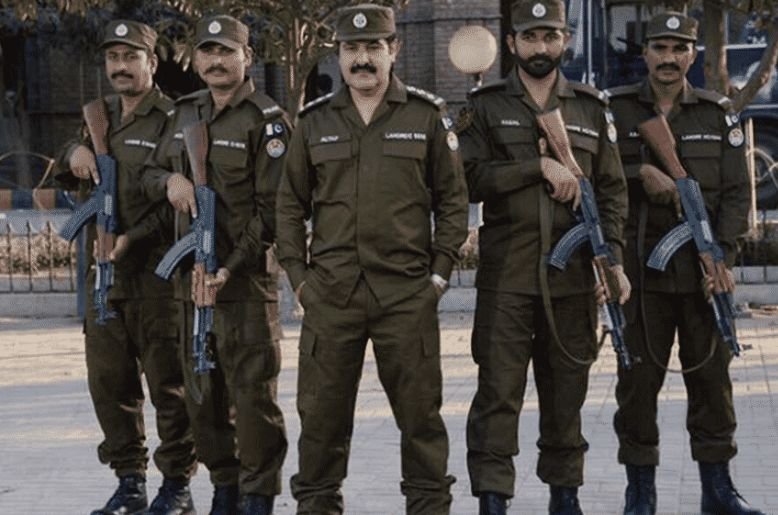
The core logic behind this modification is rooted in resource optimization. By instituting a fee for such services, the department aims to recuperate costs associated with dedicated personnel, equipment, and logistical overheads. Consequently, these collected funds are designated for reinvestment into police welfare programs and upgrading facilities. This creates a self-sustaining financial loop, allowing the police force to maintain high standards of service delivery without solely relying on general public funds for private event support.
Socio-Economic Impact: A New Baseline for Event Planning and Private Event Security Fee Considerations
The introduction of a Private Event Security Fee will directly influence event planning and execution across urban and rural Pakistan. Households and professionals organizing weddings, cultural festivals, or large corporate gatherings will encounter an additional, transparent cost element. This necessitates a recalibration of event budgets, potentially driving organizers to consider the scale and security requirements more precisely. Furthermore, the measure promotes greater accountability in resource deployment. For students participating in or organizing university events, this could mean increased departmental budgets or specific fundraising efforts to cover security costs.
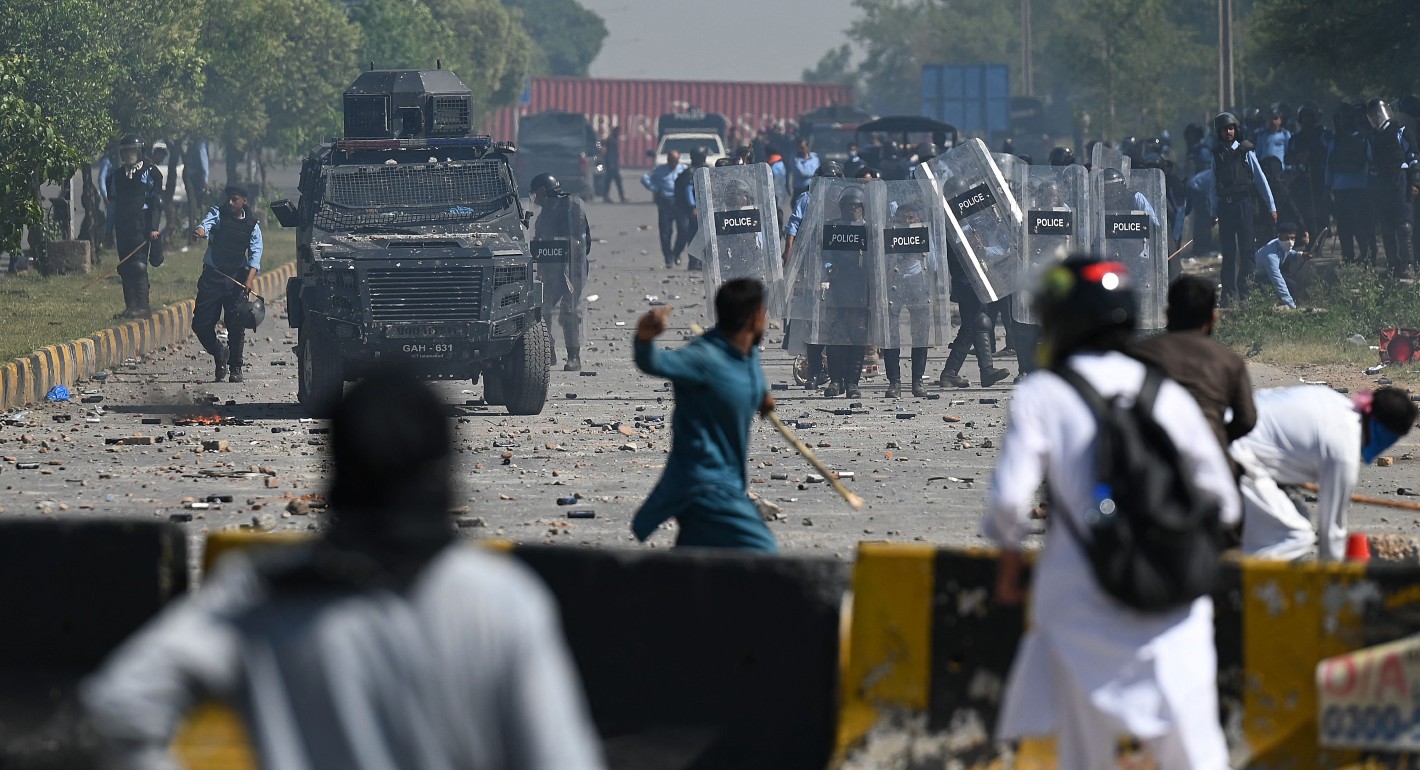
Ultimately, this policy seeks to foster a more equitable distribution of security costs. While individual event expenses may rise, the broader benefit includes a police force better equipped and supported. This could translate into improved response times for general emergencies and enhanced public safety, as police resources are less diluted by uncompensated private duties. The move establishes a new financial baseline for the vibrant event sector in Pakistan.
The Forward Path: A Stabilization Move Towards Systemic Efficiency
This development fundamentally represents a Stabilization Move rather than a radical momentum shift. It is a pragmatic, structural adjustment designed to enhance the long-term sustainability and efficiency of law enforcement operations. By formalizing the cost of specialized security services, the Punjab government is instituting a critical mechanism to ensure that essential public services are funded robustly. This calibrated approach strengthens the organizational capacity of the police, ensuring they can effectively serve the public while also maintaining a high standard of specialized event security. It is a strategic step towards a more self-reliant and operationally sound security infrastructure.








