

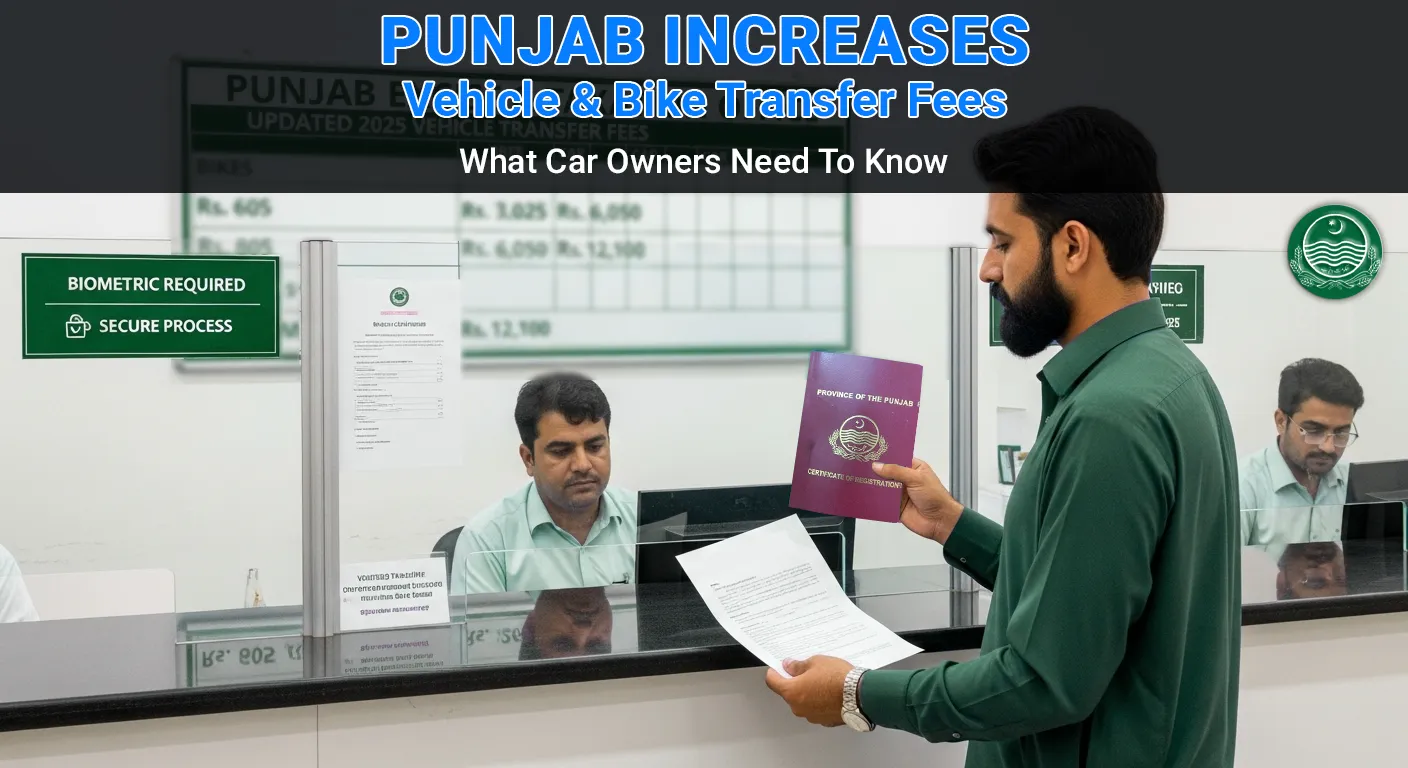
The strategic calibration of digital systems is fundamentally reshaping civic interactions across Pakistan. The Excise & Taxation Department Punjab has initiated a structural overhaul of its vehicle verification protocol, critically enhancing the efficiency of Biometric Vehicle Verification. This pivotal collaboration with NADRA now enables both local residents and overseas Pakistanis, specifically NICOP holders, to complete this essential verification entirely online via PAK-ID. Consequently, this eliminates the prior reliance on physical visits or intermediaries, establishing a new baseline for digital accessibility and transactional transparency across the province.
Calibrating Efficiency: The Digital Shift in Vehicle Verification
Understanding the PAK-ID Integration
The Excise & Taxation Department Punjab, in a strategic alliance with NADRA, has introduced a streamlined digital mechanism for vehicle verification. This innovative system leverages the PAK-ID platform, allowing citizens to complete the entire verification process remotely. Previously, this procedure demanded physical presence at excise offices or cumbersome submissions of attested affidavits for overseas Pakistanis, often requiring Ministry of Foreign Affairs or embassy verification. This new framework precisely eliminates these multi-step, time-intensive manual protocols, ensuring a direct and secure digital pathway for all vehicle owners.

Streamlining Processes for Global Citizens
Furthermore, the digital transition directly addresses historical inefficiencies, particularly for overseas Pakistanis. The previous requirement for attested affidavits, which often needed verification by the Ministry of Foreign Affairs or Pakistani embassies, introduced significant bureaucratic delays and logistical complexities. Now, vehicle owners can complete their necessary Biometric Vehicle Verification from any global location with a secure internet connection, significantly improving convenience and transparency. This structural enhancement minimizes administrative friction and maximizes operational efficiency for all stakeholders, reinforcing Punjab’s commitment to digital inclusion.

Systemic Impact: Daily Life Transformed by Digital Access
Enhanced Convenience for All Citizens
This digital advancement profoundly impacts the daily lives of Pakistani citizens across various demographics. For urban professionals and diligent students, the abolition of physical queues and extensive travel translates into significant time savings and reduced logistical burdens, freeing up valuable hours. Moreover, rural communities gain more equitable access to essential governmental services, effectively circumventing geographical barriers that once necessitated extensive travel to distant urban centers. Overseas Pakistanis, a critical demographic contributing significantly to the national economy, will experience a fundamental paradigm shift; their newfound capacity to manage vehicle-related affairs from any global location marks a crucial expansion of digital civic engagement. This initiative consequently fosters a more inclusive, efficient, and responsive administrative landscape for every Pakistani household, regardless of their location.
The Forward Path: A Momentum Shift for Digital Governance
Building Resilient Digital Infrastructure
This development unequivocally represents a “Momentum Shift” for Pakistan’s evolving digital governance framework. The strategic implementation of online Biometric Vehicle Verification through PAK-ID is not merely an incremental improvement; it signifies a structural redesign that inherently prioritizes citizen-centric services and operational transparency. Such strategic integrations of advanced technology are foundational to building a resilient and highly responsive national infrastructure capable of meeting modern demands. This proactive move solidifies Punjab’s commitment towards comprehensive digital transformation, setting a robust precedent for future governmental efficiencies and innovation across other public sectors.









