

Elevating Punjab Hospital Security through Strategic Surveillance
Pakistan’s national advancement mandates robust infrastructure across all sectors, particularly public health. The Punjab government has strategically integrated its public hospitals into the Safe City surveillance network, a critical move to elevate Punjab Hospital Security. This initiative establishes real-time monitoring capabilities, initially connecting over 35 facilities across various cities. Consequently, this ensures enhanced safety for patients, staff, and visitors while streamlining emergency response protocols, marking a significant structural upgrade for healthcare management.
The Translation: Calibrating Healthcare Security Networks
The Safe City surveillance network represents a centralized, technologically advanced system designed for real-time monitoring and rapid incident response across urban areas. Fundamentally, integrating public hospitals means these critical facilities are now part of a comprehensive security ecosystem. For instance, advanced cameras are strategically installed at emergency wards, indoor and outdoor departments, and all entry/exit points. This structural integration provides continuous oversight, enhancing the ability to detect and deter security threats proactively.
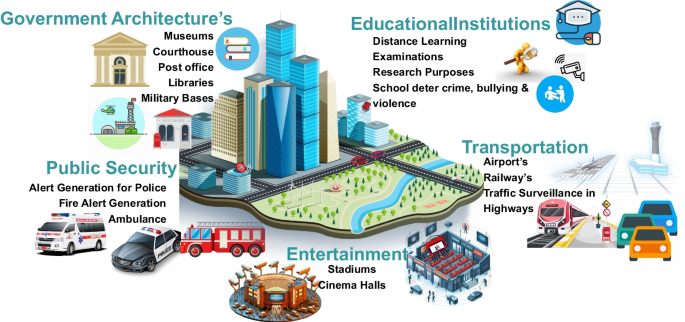
The initial deployment phases have been meticulously calibrated. Ten major government hospitals in Lahore, including Ganga Ram, Lady Aitchison, General Hospital, Mian Munshi, and Nawaz Sharif Hospital, are already operational within this system. Furthermore, more than 35 hospitals across Punjab have joined the Safe City network, with facilities in Faisalabad, Bahawalpur, Rawalpindi, and Gujranwala progressively being added. This phased rollout ensures a controlled and efficient system adoption across the province.
The Socio-Economic Impact: A Baseline for Public Trust
This strategic integration fundamentally transforms the daily experience of Pakistani citizens accessing public healthcare. For students and professionals, a more secure hospital environment reduces anxieties related to personal safety during visits or work. Parents can now bring their children to emergency wards with an added layer of confidence, knowing that a robust surveillance system is actively monitoring the premises. Moreover, this system directly supports immediate police intervention in the event of an untoward incident, minimizing potential harm and accelerating resolution times. This directly translates into a more predictable and safer environment for urban and rural households alike.
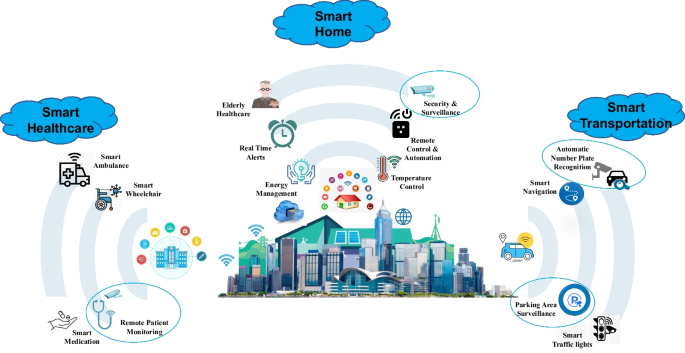
The precise placement of cameras in high-traffic areas and sensitive zones ensures comprehensive coverage. This proactive measure not only deters crime but also provides invaluable data for post-incident analysis. Consequently, hospital staff can focus more on patient care, while visitors can navigate facilities with a heightened sense of security. This structural enhancement reinforces public trust in government institutions, establishing a new baseline for safety standards in critical public spaces.
The Forward Path: A Momentum Shift in Healthcare Infrastructure
This development undeniably represents a Momentum Shift for Pakistan’s healthcare infrastructure. It moves beyond conventional security measures, establishing a systemic and integrated approach to public safety within hospitals. The precise application of modern surveillance technology signifies a proactive commitment to citizen well-being and operational efficiency. Furthermore, the plan to link all public hospitals in the province with the Smart Safe City system in subsequent phases indicates a sustained strategic vision. This scalable model serves as a catalyst for other public service sectors to adopt similar high-efficiency, data-driven security frameworks, thereby accelerating national progress.









