
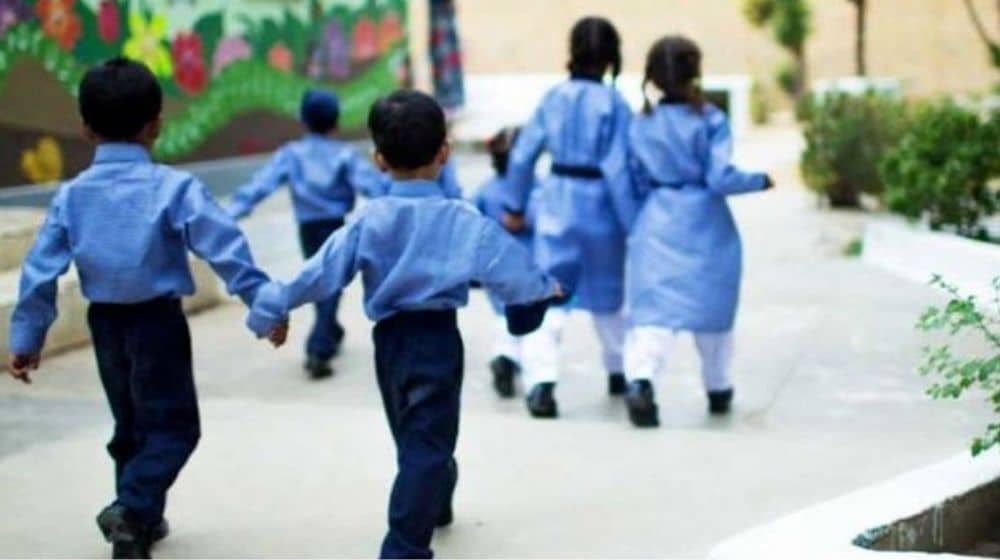
The Punjab government has strategically outlined a refined academic calendar, signaling an anticipated extension of Punjab school holidays for summer, potentially lasting two months. This systemic revision aims to optimize learning environments and streamline operational efficiency for educational institutions across the province. Furthermore, authorities are implementing pivotal support measures, including a comprehensive free textbook distribution program and a planned reduction in commercial electricity tariffs for government schools. These integrated initiatives are designed to enhance educational accessibility and mitigate administrative costs, thereby directly impacting students and the broader educational infrastructure.
The Translation: Deconstructing Punjab’s Academic Reconfiguration
Calibrated Schedule Adjustments: Extended Punjab School Holidays
The provincial administration has precisely indicated that summer breaks will likely extend significantly, potentially encompassing two months. Consequently, winter holidays are now structurally anticipated for January, a clear recalibration within the revised academic calendar. This strategic shift facilitates a more balanced educational year, responsive to climatic conditions and academic pacing.
Strategic Resource Allocation: Ensuring Uninterrupted Learning
Under this updated framework, a monumental initiative for free textbook distribution is actively progressing. Nearly 30 million educational resources are slated for provision to students this academic year, ensuring universal access to essential learning materials. Specifically, students from grades one to three will receive all textbooks at no cost. Moreover, a substantial majority of books will be free for grades four and five. Furthermore, middle schoolers from grades six to nine will obtain a portion of their required texts without charge, while grade ten students retain full access to free sets. To meticulously bridge any remaining gaps, a robust book bank system is also being established, guaranteeing material availability for every student.
Operational Efficiency Directives: Easing Institutional Burden
Beyond direct student aid, the provincial government is also deliberating a reduction in commercial electricity tariffs specifically for government-operated schools. This structural adjustment is designed to significantly lower operational expenditures, thereby providing crucial financial stabilization to educational institutions throughout Punjab. This measure underscores a commitment to resource optimization within the educational sector.
The Socio-Economic Impact: Calibrating Daily Life for Pakistanis
Direct Student Empowerment: Enhanced Access and Reduced Strain
This suite of reforms directly enhances the daily life of a Pakistani student. Extended summer breaks allow for focused recuperation and potentially structured skill development, especially in rural areas where climatic challenges are pronounced. Critically, the widespread distribution of free textbooks fundamentally removes a significant financial barrier for countless households, particularly benefiting students in urban and rural Pakistan who previously struggled with material costs. This ensures equitable access to learning, fostering a more inclusive educational landscape.
Institutional Financial Stabilization: Reallocating Resources for Quality
For educational professionals and institutions, the reduction in electricity tariffs represents a tangible financial relief. Schools can reallocate saved funds towards crucial infrastructure upgrades, teacher training, or advanced learning resources. This strategic financial stabilization supports improved pedagogical environments, ultimately translating into higher quality education for students and a more sustainable operational model for schools. It fosters an ecosystem where financial constraints are less likely to impede educational progress.
The “Forward Path”: Momentum Shift or Stabilization Move?
Strategic Imperatives for Future Advancement
This development constitutes a Momentum Shift for Pakistan’s educational system. The synchronized approach of adjusting academic calendars, eliminating textbook costs, and reducing operational overhead suggests a calibrated, holistic strategy. It moves beyond mere maintenance, aiming to proactively enhance accessibility, affordability, and institutional resilience. This structural refinement lays a critical baseline for sustained educational advancement, signifying a clear trajectory towards a more equitable and efficient learning infrastructure across Punjab.








