

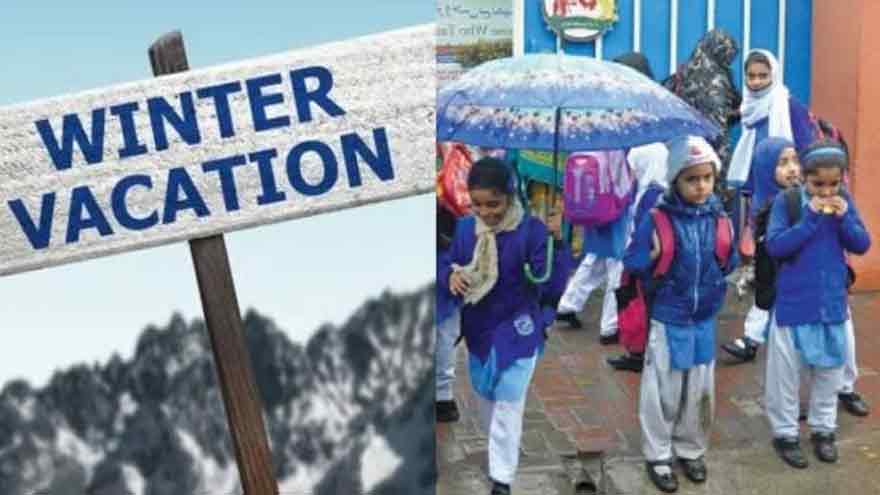
In a structural move to mitigate the ongoing energy crisis, the Punjab Schools Education Department is actively considering a Punjab School Holidays Extension across the province until April 15. This strategic decision impacts both public and private educational institutions. Consequently, authorities aim to significantly reduce overall energy consumption by limiting non-essential activities, thereby stabilizing the national energy grid during a critical period. This proactive measure underlines the government’s calibrated approach to resource management.
Catalytic Decision: Punjab School Holidays Extension
Initially, schools observed closures from March 10 to March 31. However, escalating energy shortages now prompt officials to evaluate extending these holidays for an additional two weeks. Furthermore, the provincial energy department strongly supports this proposal, advocating for reduced fuel and electricity usage across all sectors. This systematic approach seeks to alleviate pressure on Pakistan’s energy infrastructure.
The Translation (Clear Context)
This extension signifies more than just a break from school; it represents a direct governmental intervention to manage a national energy deficit. By keeping millions of students, teachers, and staff at home, the Punjab administration anticipates a tangible decrease in daily fuel consumption from transportation and a notable reduction in electricity demand from school operations. Essentially, this move leverages a temporary alteration in educational schedules to achieve a measurable energy saving metric for the province.
The Socio-Economic Impact
This Punjab School Holidays Extension introduces varied impacts on Pakistani citizens. For urban and rural households, particularly those struggling with rising fuel costs, this measure could lead to immediate savings on daily commutes and reduced household electricity bills. Conversely, students face potential disruptions to their academic schedules, raising concerns about learning continuity. Private school staff might experience financial uncertainty, whilst the broader economy could see a temporary dip in local commerce linked to school activities.
The “Forward Path” (Opinion)
This development constitutes a “Stabilization Move.” It is a pragmatic, short-term tactical response designed to manage immediate energy pressures rather than a long-term structural overhaul. While necessary for crisis mitigation, it does not inherently represent a “Momentum Shift” towards sustainable energy solutions or a redesigned educational calendar. The province must leverage this temporary respite to develop more robust, long-term energy resilience strategies.
Strategic Energy Conservation Measures
The provincial government is concurrently evaluating a broader spectrum of measures to optimize energy demand. These considerations encompass calibrated reductions in market working hours and active encouragement of work-from-home policies. Additionally, authorities recommend discouraging unnecessary travel to further conserve resources. Structural adjustments are underway to manage these parameters effectively.
Further discussions involve implementing limits on large public gatherings and introducing precise steps to curtail excessive electricity usage within commercial zones. These integrated efforts demonstrate a comprehensive strategy aimed at systemic energy efficiency. Such meticulous planning ensures resource optimization across various public and private sectors.
Calibrating Educational Continuity
The proposed extension generates significant discourse among educational stakeholders. Private education institutions express considerable concerns. For instance, representatives argue that prolonged closures invariably disrupt established academic calendars, creating substantial financial difficulties. Many institutions rely critically on monthly tuition fees to sustain operational costs and staff salaries. Moreover, repeated closures adversely affect students’ learning continuity and developmental trajectory.
Private Sector Concerns
While some larger private institutions possess the requisite infrastructure to transition effectively to online classes, numerous smaller schools critically lack the technological capacity for robust digital learning environments. Consequently, this disparity risks widening the educational access gap. Furthermore, a significant portion of the student population may experience learning setbacks due to inconsistent instruction and limited digital resources.
Parental and Expert Perspectives
Public sentiment regarding this extension is mixed. Some parents, like Lahore resident Salman Ahmad, support the government’s decision, prioritizing energy and fuel conservation as a crucial societal objective. He views temporary holidays as a rational intervention to stabilize the prevailing situation. In contrast, education experts caution that extended closures could exacerbate the learning disparity between students with reliable online access and those without. This introduces a structural challenge for equitable education.
Adaptive Governance in a Fluid Environment
Officials assert that this extension is a temporary, adaptive measure. Its duration remains contingent upon the evolving energy situation. The overarching energy crisis continues to exert pressure across multiple sectors in Punjab, including critical businesses, essential transport networks, and household activities. Fundamentally, rising fuel costs contribute to significant financial strain on citizens. Therefore, this calibrated response aims to alleviate immediate systemic stress.








