
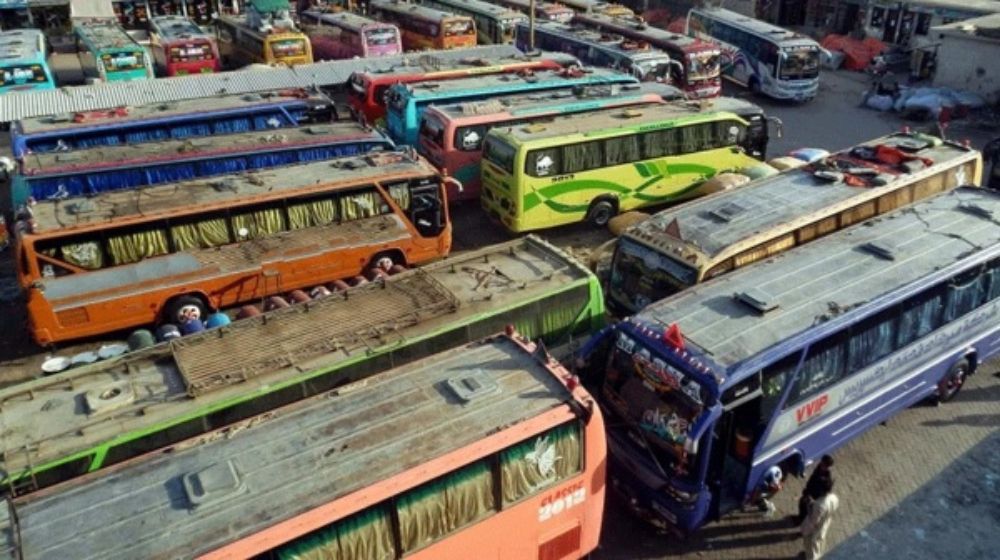
The government of Punjab has strategically integrated its public transport route permit system with the Securities and Exchange Commission of Pakistan’s (SECP) insurance repository, establishing a fully digitized verification process. This structural advancement mandates third-party motor insurance for all public transport vehicles in the province, linking permit issuance directly to valid coverage. Consequently, this critical reform significantly enhances passenger safety and provides calibrated financial protection in accident scenarios, marking a pivotal step toward modernizing Punjab’s public transportation framework. This integration streamlines Transport Insurance processes, setting a new operational baseline for public safety and compliance in Punjab.
Calibrating Safety: Digital Systems for Public Transport

Streamlining Compliance with Digital Verification
The Punjab government has achieved a significant milestone by integrating its public transport route permit system with the SECP’s insurance repository. This integration digitizes the verification process for third-party motor insurance. It ensures that every public transport vehicle operating in Punjab possesses valid coverage. Previously, this process involved manual checks. Now, authorities can instantaneously confirm insurance status. Furthermore, this system directly links the issuance and renewal of route permits to verifiable insurance, eliminating previous compliance gaps. Operators must now present proof of third-party insurance to secure or renew their permits. This mechanism ensures a higher standard of operational accountability, enhancing the efficacy of Transport Insurance.
Mandatory Insurance: A New Operational Standard
Under this precision-engineered system, third-party motor insurance has become a mandatory prerequisite for all public transport vehicles within Punjab. This directive ensures that comprehensive coverage is a baseline requirement. Previously, ensuring universal compliance was a challenge; however, linking permits directly to validated insurance coverage significantly elevates enforcement. This structural change means transport operators cannot obtain or renew route permits without demonstrating active third-party insurance. Therefore, this policy solidifies a fundamental layer of protection for all stakeholders.
Structural Impact: Elevating Protection for Citizens

Enhanced Financial Security for Commuters and Operators
This digital transformation fundamentally alters the daily life of Pakistani citizens, particularly those reliant on public transport. For students, professionals, and families in both urban and rural areas, this initiative provides an unprecedented layer of financial protection. In the unfortunate event of a road accident, individuals affected—passengers, drivers, and third parties—will receive timely and calibrated financial compensation. This reduces the burden of medical expenses and recovery costs, often a significant challenge for households. Moreover, the mandatory nature of this insurance cultivates a more secure operational environment for transport workers, providing a baseline of protection for their livelihoods. This move represents a direct uplift in socio-economic security for millions.
Addressing Coverage Gaps and Proposing Reforms
Currently, the insurance repository contains data for approximately one million vehicles. However, officials acknowledge that overall insurance coverage remains limited when compared to the total number of vehicles across the nation. Recognizing this disparity, authorities are taking urgent, strategic steps to expand insurance coverage nationwide. Furthermore, officials have proposed critical amendments to federal laws to enforce third-party insurance more effectively. The proposed legal framework includes a “no-fault” compensation model, designed to ensure accident victims receive compensation promptly, irrespective of fault. This proactive approach aims to solidify comprehensive coverage across Pakistan.
The Forward Path: A Momentum Shift for Public Safety
This development unequivocally represents a “Momentum Shift” for Pakistan’s public transport sector. The strategic digitization of insurance verification is not merely an administrative upgrade; it is a catalyst for systemic change. By embedding mandatory third-party insurance within the permit system, Punjab establishes a robust framework for passenger safety and financial recourse. While current insurance coverage remains limited compared to the total vehicle count, the proactive steps taken—including proposed amendments to federal laws for a “no-fault” compensation model—signal a clear trajectory towards comprehensive protection. This initiative sets a precision-engineered precedent for other provinces to emulate, advancing national advancement through calibrated policy and technological integration.








