
Optimizing Pharmaceutical Integrity: Understanding Punjab’s Alert
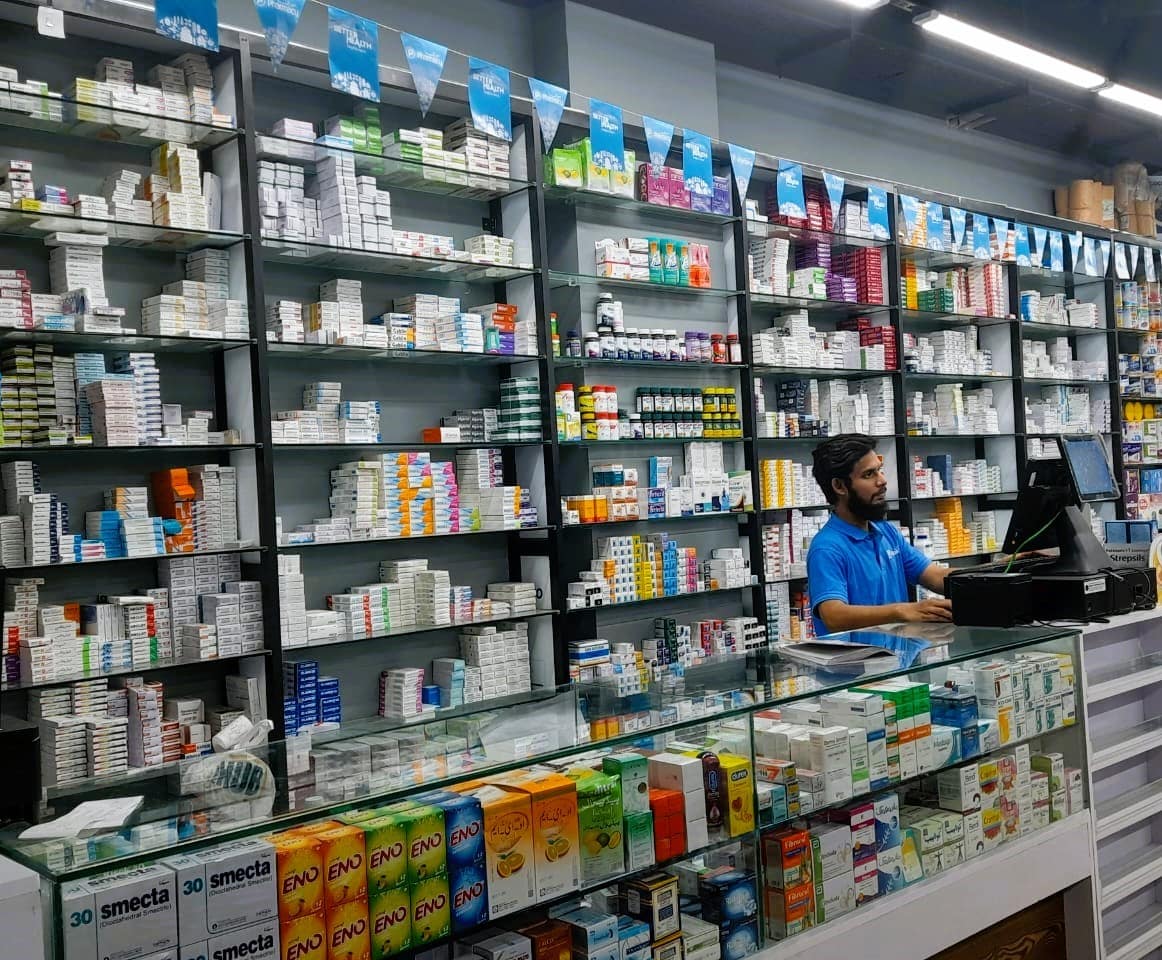
Ensuring the integrity of Pakistan’s pharmaceutical supply chain is a critical baseline for national health security. The Punjab Drug Control Board has strategically issued a provincial alert concerning five batches of medicines, identifying them as either fake or substandard. This proactive measure, triggered by rigorous laboratory testing, underscores a commitment to public welfare and the urgent necessity to remove these compromised products from medical stores. Specifically, this alert addresses the proliferation of Punjab fake medicines, directly impacting patient trust and treatment efficacy.
The Translation: Deconstructing the Drug Control Findings
The Punjab Drug Control Board’s recent findings reveal a structural vulnerability within the pharmaceutical distribution network. Laboratory analysis definitively exposed specific medicine batches failing quality benchmarks. For instance, multivitamins for bones and calcium, despite being linked to an Islamabad-based company, were confirmed as counterfeit. Furthermore, a widely used cough syrup was declared both substandard and contaminated. In a concerning parallel, a pain relief injection produced in Lahore was found to contain unwanted particulate matter. Consequently, these discrepancies necessitated immediate action to safeguard public health and restore confidence in legitimate treatments.
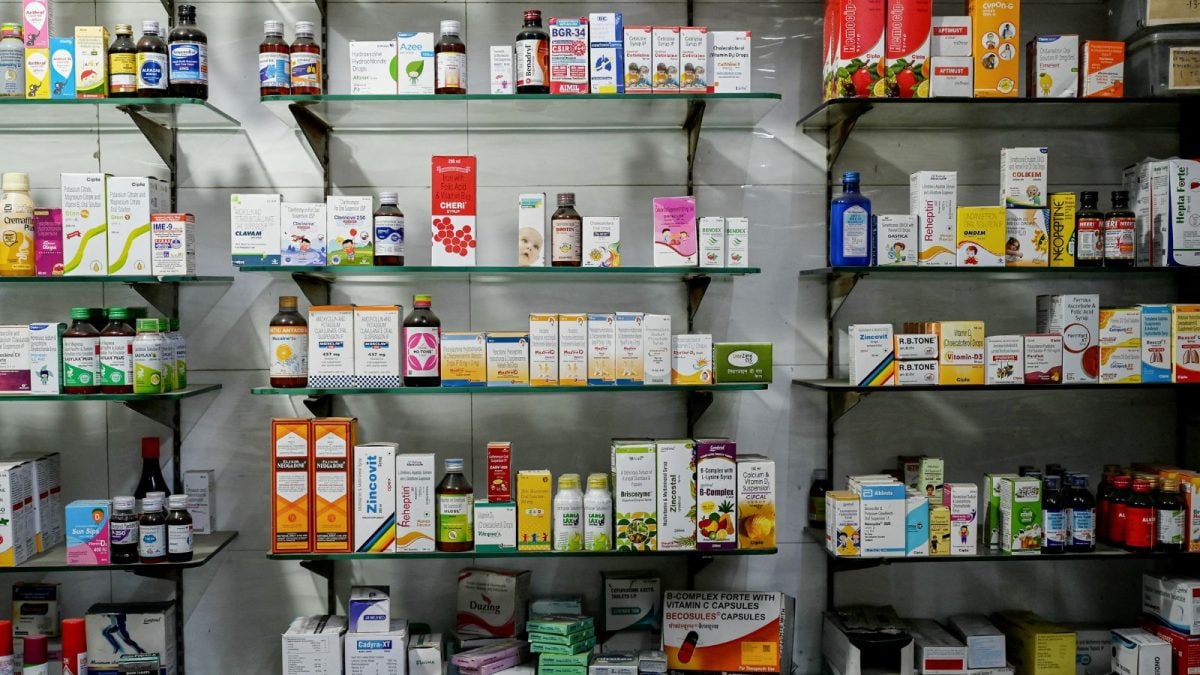
Moreover, the audit extended to veterinary pharmaceuticals, where two injections from Lahore and Karachi-based manufacturers failed quality assessments due to imprecise active ingredient levels. This comprehensive identification process highlights a systemic challenge. The Punjab Health Department, upon reviewing these critical reports, has issued a directive for the immediate recall of all compromised medicines from every medical store. Therefore, this action is a pivotal step towards recalibrating the province’s drug safety protocols.
The Socio-Economic Impact: Calibrating Citizen Health and Trust
This alert on Punjab fake medicines directly impacts the daily lives of Pakistani citizens across urban and rural landscapes. For students, professionals, and households, access to genuine, effective medication is fundamental for recovery and maintaining productivity. The presence of counterfeit or substandard drugs not only jeopardizes individual health outcomes but also erodes public trust in the healthcare system. Consequently, patients might experience prolonged illness, adverse reactions, or a complete lack of therapeutic benefit, leading to increased healthcare costs and diminished quality of life. Furthermore, families often face financial strain when purchasing ineffective medicines, diverting resources from essential needs.
From an economic perspective, the recall disrupts supply chains and imposes significant costs on pharmacies and distributors. Moreover, the long-term impact includes a potential decrease in foreign investment in Pakistan’s pharmaceutical sector if quality control issues persist. Therefore, this decisive action by the Punjab Drug Control Board is a necessary intervention, designed to protect the health and economic stability of every Pakistani citizen by ensuring access to safe and effective pharmaceutical products.
The Forward Path: A Momentum Shift in Pharmaceutical Oversight
This development undeniably represents a Momentum Shift in Pakistan’s pharmaceutical oversight. The rigorous identification and immediate recall of substandard and Punjab fake medicines signal a heightened commitment to public health safety and regulatory enforcement. This is not merely a reactive measure but a strategic recalibration of quality control mechanisms. By actively auditing the supply chain and publicly identifying compromised products, the authorities are setting a new baseline for accountability within the pharmaceutical industry. Consequently, this precise intervention strengthens consumer confidence and pushes manufacturers towards higher standards of operational excellence. It is a critical structural improvement that promises to enhance the overall efficiency and trustworthiness of our national healthcare infrastructure.








