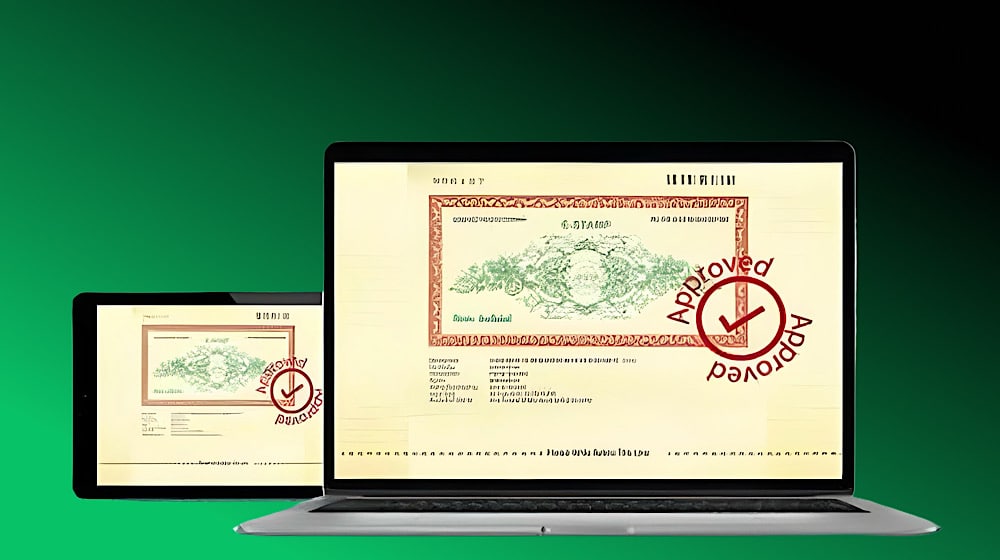
In a strategic move towards national advancement, the Punjab government has fundamentally redesigned its Punjab e-stamp system, discontinuing traditional yellow-colored papers. This significant digital reform, implemented on March 10, empowers citizens to print e-stamp papers of any value directly on plain paper via an official online portal. Consequently, this innovation drastically improves public access to essential services and enhances transaction transparency across the province.
The Translation: Deconstructing Digital Document Access
Previously, securing official stamp papers involved a multi-layered process. Low-value papers were available from authorized vendors, printed on specific yellow stock. Conversely, high-value documents, crucial for transactions like property registration, necessitated direct visits to designated banks. This bifurcated approach created bottlenecks and, at times, led to vendors imposing unauthorized service charges, adding an unnecessary burden on citizens. The new Punjab e-stamp system eliminates these complexities entirely.
Now, the integrated digital framework allows for the acquisition of any e-stamp paper by paying the required fee through a secure mobile application. Subsequently, users can print these documents at their convenience. This structural shift prioritizes user autonomy and system efficiency. It is important to note, however, that while the new system is largely self-service, stamp vendors retain the authority to issue papers up to a value of Rs. 300, ensuring continued support for micro-transactions within the established framework.
Socio-Economic Impact: Calibrating Daily Life for Pakistanis
This digital evolution directly translates into tangible improvements for Pakistani citizens, profoundly impacting students, professionals, and households in both urban and rural areas. For instance, the elimination of mandatory bank visits to acquire high-value stamp papers saves considerable time and transportation costs, especially for individuals in remote regions. Furthermore, the transparent online payment system eradicates the potential for illicit charges, ensuring citizens pay only the legally stipulated fees.
The ability to print documents at home or from a local service center offers unprecedented convenience, reducing bureaucratic friction. This streamlines processes for property registrations, legal agreements, and business transactions, acting as a significant catalyst for economic activity. Consequently, this systemic upgrade fosters greater trust in governmental services by making them more accessible and equitable for all.

The Forward Path: A Momentum Shift in Digital Governance
This implementation unequivocally represents a Momentum Shift for Pakistan’s digital governance landscape. It is not merely a maintenance upgrade but a structural re-engineering of a critical public service. The Punjab Land Records Authority (PLRA) has demonstrated a clear commitment to leveraging technology for systemic efficiency and citizen empowerment. This initiative sets a robust baseline for future digital reforms across other provincial services.
The strategic deployment of mobile payment and self-printing capabilities signifies a calibrated step towards a fully digitized administration. Such initiatives are crucial for enhancing national productivity and fostering an environment of transparency and accountability. Moving forward, the success of this Punjab e-stamp system will serve as a blueprint, encouraging broader adoption of similar citizen-centric digital solutions.