
Optimizing Healthcare Infrastructure: Addressing the Punjab Ventilator Shortage
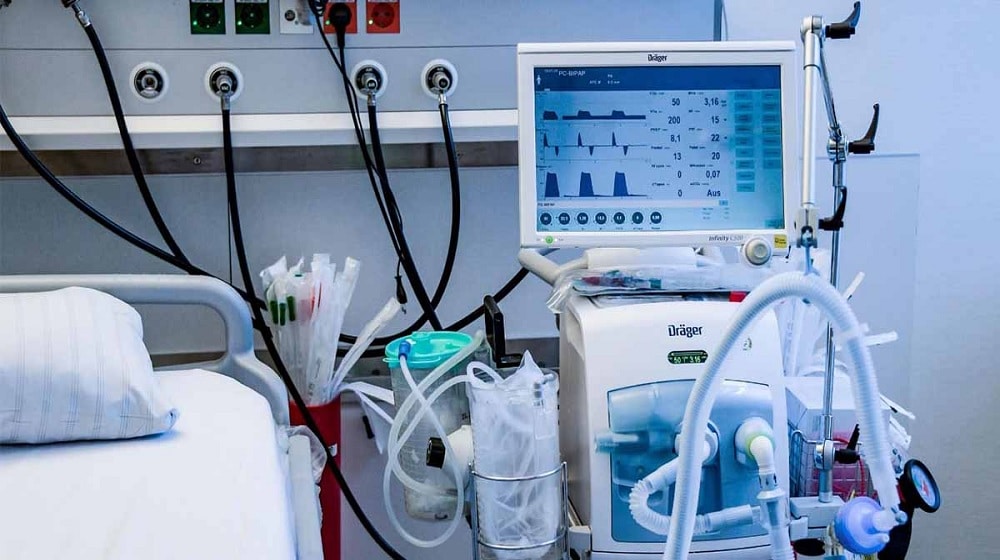
A structural audit presented to the Lahore High Court reveals a significant Punjab ventilator shortage across the province’s public hospitals. Specifically, Lahore, as Punjab’s most populous city, is critically underserved with only nine allocated ventilators. This data underscores an urgent need for strategic intervention to enhance medical facility access across Pakistan. Consequently, judicial intervention now seeks to establish clear baselines for ventilator availability and management.
The Translation (Clear Context)
The report from the Punjab Health Services Director General, encompassing 36 districts, indicates a provincial total of 411 ventilators. This distribution is highly uneven. For instance, districts like Mianwali (30 units) and Hafizabad (23 units) possess the highest allocations. In sharp contrast, Sialkot registers a mere four ventilators, with Chiniot and Khanewal each having just five. This calibrated data highlights severe disparities, directly correlating to the court petition that brought this critical issue to light. The petition explicitly links patient fatalities to the absence of adequate, basic medical equipment.

The Socio-Economic Impact
This acute scarcity directly impacts the daily lives of Pakistani citizens, particularly those in urban and rural areas dependent on public healthcare. For students and professionals, the risk of inadequate critical care during medical emergencies becomes a tangible threat, eroding trust in the health system’s capacity. Furthermore, families face immense psychological and financial burdens when advanced life support, such as ventilators, is unavailable for critical patients. The report also noted an increase in measles cases—330 this year compared to 4,000 last year—signifying broader public health vulnerabilities that exacerbate the demand for critical care infrastructure.
The “Forward Path” (Opinion)
This development represents a Stabilization Move rather than an immediate Momentum Shift. While the judicial emphasis on transparency and accountability is a vital catalyst, the core issue of resource allocation and infrastructure deficit requires a comprehensive, strategic overhaul. Precision in data collection, coupled with immediate, calibrated procurement and equitable distribution, will be paramount. Therefore, systemic enhancements, beyond merely addressing the current Punjab ventilator shortage, are essential to fortify Pakistan’s public health apparatus for future challenges.

Judicial Directives for Healthcare System Enhancement
Justice Malik Awais Khalid has strategically summoned key health officials: the Punjab Primary and Secondary Healthcare Secretary and the Specialised Healthcare Secretary. These officials are mandated to appear post-Eid to provide a detailed structural analysis of ventilator availability. Their testimony must also address global standards for ventilator deployment and proactive measures for managing emerging public health threats, such as monkeypox cases. The judge’s precise directive underscores the judiciary’s commitment to ensuring the government acknowledges and rectifies persistent shortages to prevent further preventable loss of life.








