
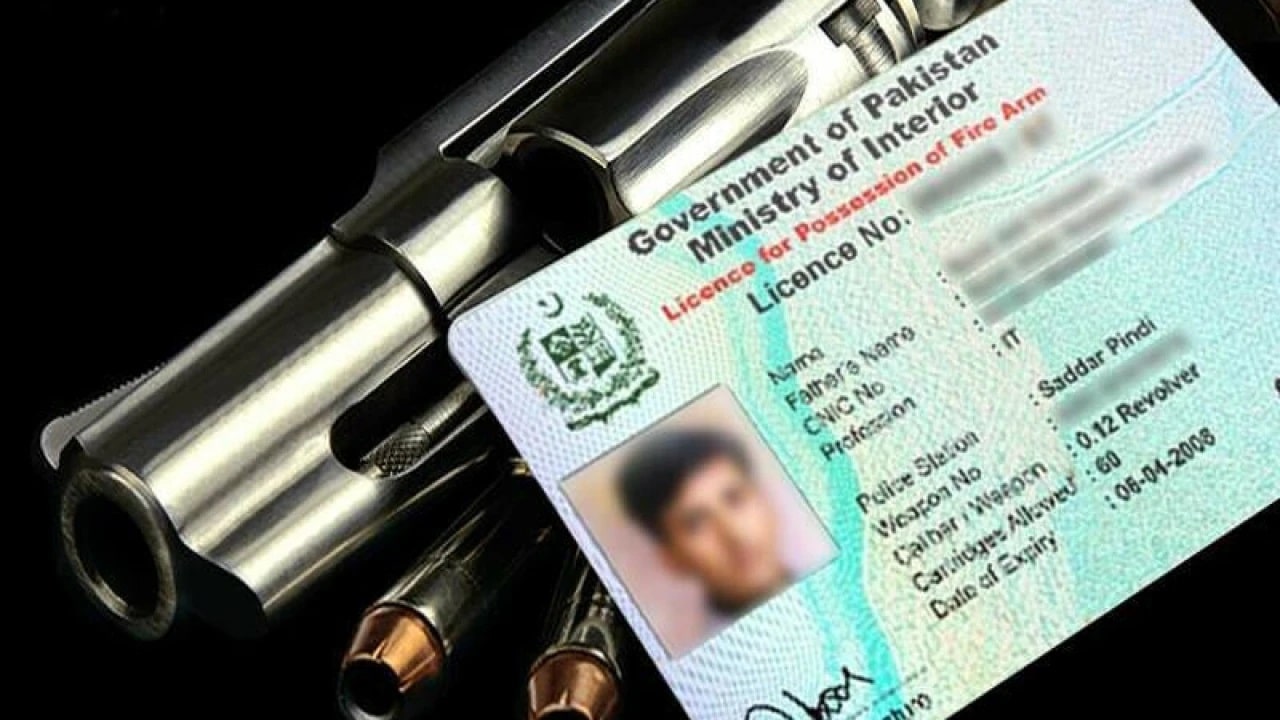
The Punjab government is strategically evaluating a proposal to significantly increase Punjab arm license fees for renewals. This calibrated move is designed to fortify the provincial arms licensing system and bolster tax compliance. Consequently, this initiative directly addresses prior concerns regarding equitable regulation and resource management within Pakistan’s security infrastructure, establishing a more robust framework for firearm ownership.
Strategic Adjustment: Understanding the Proposed Punjab Arm License Fees Hike

The provincial government has received a comprehensive recommendation detailing revised fee structures across various weapon categories. This systematic overhaul aims to enhance the efficacy of the existing regulatory framework, ensuring the process of firearm ownership remains both accountable and transparent. Specifically, the proposed fees for arm license renewals are structured as follows:
- Shotgun licenses: Rs. 25,000
- Pistol and Revolver licenses: Rs. 50,000
- Semi-automatic Rifle licenses: Rs. 100,000
- Automatic Rifle licenses: Rs. 250,000
This calibrated adjustment reflects a commitment to precision in resource allocation and system integrity. While no official directive has been issued, the proposal signals a pivotal shift towards more robust administrative protocols and enhanced enforcement capabilities.
Socio-Economic Ramifications: Impact on Pakistani Citizens

This proposed increase in firearm license renewal Punjab fees directly recalibrates the financial threshold for legal firearm ownership. For professionals and households, particularly in urban centers, the higher costs demand a re-evaluation of personal security budgets and adherence to governmental regulations. Consequently, this initiative promotes a more disciplined approach to civic responsibility, potentially encouraging greater tax compliance across the populace.
Furthermore, this development builds upon earlier directives from the Senate Standing Committee on Interior and Narcotics Control. The committee previously highlighted an alarming disparity: 32,000 arms licenses issued to non-tax filers compared to merely 3,000 for tax-compliant individuals. Such data underscored a critical systemic inefficiency. This fee adjustment, therefore, serves as a structural mechanism to align firearm ownership with broader national tax obligations, ensuring a fairer contribution from all segments of society.
The Forward Path: A Structural Stabilization Move

From an architectural perspective, this development represents a clear Stabilization Move rather than a sudden momentum shift. The Punjab government is not introducing entirely new policy paradigms but rather fortifying existing structures. By increasing renewal fees, the administration aims to solidify the arms licensing system, making it more resilient and responsive to national economic and security imperatives. This strategic recalibration prioritizes long-term systemic health and equitable enforcement, fostering a more disciplined operational environment for firearm regulation in Pakistan.








