

Optimizing Basant Celebrations in Punjab: A Structural Approach to Safety
The Punjab Home Department has implemented a strategic framework for Basant celebrations in Punjab, rather than endorsing a blanket ban. This move demonstrates a calibrated approach to managing cultural events, prioritizing public safety while allowing for regulated festivities. The department’s firm stance against a province-wide, unregulated Basant underscores a commitment to existing legal mechanisms, ensuring that any authorization for kite-flying events adheres to stringent safety protocols and government oversight. This baseline ensures that enthusiasm for traditional festivals is meticulously balanced with civic responsibility and the structural integrity of public welfare.
The Translation: Deconstructing Regulatory Frameworks for Public Clarity
Understanding the administrative intricacies is crucial. The term “existing legal framework” refers to established provincial ordinances that empower local authorities to manage public gatherings and activities. Specifically, a Deputy Commissioner possesses the calibrated authority to permit Basant celebrations in Punjab on designated days. This permission, however, is contingent upon explicit prior government approval and strict adherence to mandated legal and safety stipulations. Consequently, the concerned Deputy Commissioner bears direct responsibility for the consistent enforcement of public safety measures, transforming theoretical policy into practical, on-ground accountability.
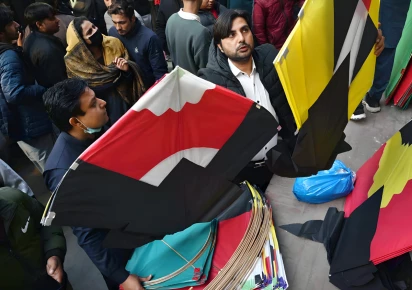
Furthermore, this regulatory system mandates several critical preventative measures. Authorities must diligently implement all precautionary actions prescribed by law before granting any approval for kite-flying events. This includes, but is not limited to, the mandatory registration of all kite sellers and manufacturers. Moreover, the government has imposed a complete and unequivocal ban on the utilization of metallic, chemical-laced, and other hazardous strings, directly addressing a primary source of past safety risks. Structurally, these measures create a robust safety envelope around the celebrations.
In addition to string regulation, safety protocols extend to vehicular protection. Authorities are specifically tasked with ensuring the widespread installation and use of protective safety rods on motorcycles. This strategic directive aims to prevent potentially severe injuries caused by stray kite strings, thereby safeguarding commuters and enhancing urban mobility. This precision-focused intervention exemplifies the proactive stance of the government in mitigating foreseeable risks.
Socio-Economic Impact: How Calibrated Regulations Shape Daily Life
This calibrated regulatory approach for Basant celebrations in Punjab directly influences the daily lives of Pakistani citizens across various demographics. For urban professionals and students, the emphasis on safety rods on motorcycles translates to a tangible reduction in daily commute risks during festival periods. This allows for safer travel and reduced anxiety, fostering a more secure urban environment. For families, especially those with children, the ban on hazardous strings and the mandatory registration of sellers offer a structural assurance of safer recreational activities. This proactive safety measure enables parents to permit participation in cultural events with greater peace of mind, thus enhancing community engagement.
Economically, regulated celebrations create a more stable environment for small businesses involved in kite manufacturing and selling. Instead of arbitrary bans, a clear framework allows for legitimate enterprise under monitored conditions, preventing complete economic disruption for this sector. In contrast, an unregulated environment would lead to unpredictable bans, significant financial losses for vendors, and a potential black market for unsafe materials. This strategic regulation therefore supports a micro-economy while upholding safety standards, impacting both urban and rural artisans who depend on such cultural events for income.
The “Forward Path”: A Stabilization Move for Cultural Preservation
This development represents a Stabilization Move for Pakistan’s cultural landscape. The Punjab Home Department’s decision is not an outright rejection of Basant but a structural affirmation of orderly governance over traditional practices. It strategically balances the public’s desire for cultural celebration with the imperative of public safety, preventing the festival from being abolished due to uncontrolled hazards. By reinforcing existing legal frameworks and ensuring meticulous implementation, the government establishes a sustainable model where cultural events can thrive within clearly defined and rigorously enforced parameters.
This approach minimizes the chaos and danger that previously marred Basant, paving the way for a more responsible and secure future for such cherished traditions. It sets a precedent for how other large-scale public events might be precisely managed, ensuring national advancement is not impeded by preventable risks but rather bolstered by calibrated administrative foresight. This systematic control ensures that cultural expression contributes positively to the social fabric without compromising the well-being of citizens, demonstrating a disciplined and forward-thinking trajectory for Pakistan.








