
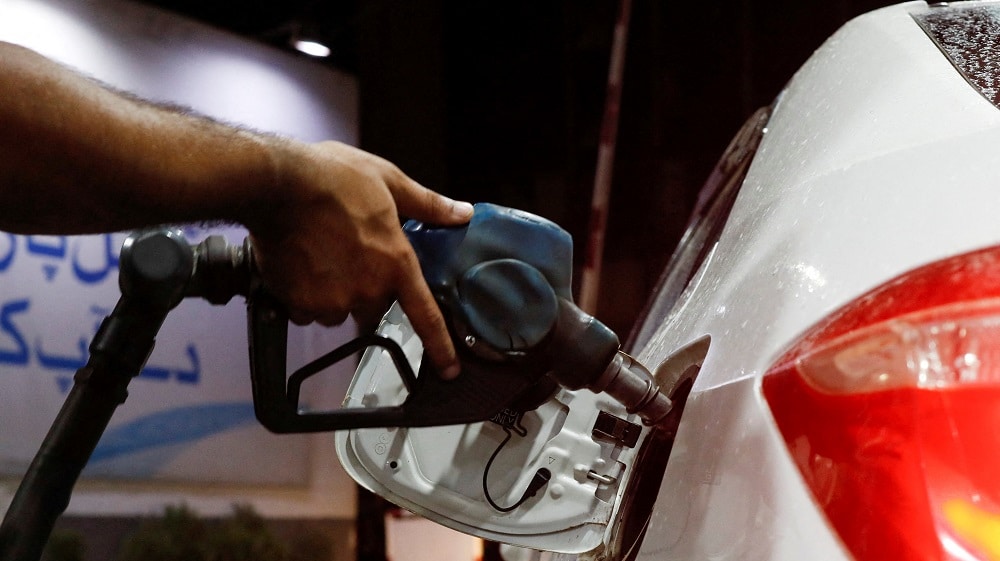
In a structural move towards national advancement, the Government of Punjab is initiating strategic emergency measures to manage the current energy crisis. These calibrated directives prioritize robust Punjab energy conservation, introducing a new coupon-based or digital distribution system for petrol and diesel. Furthermore, the plan involves precisely limiting fuel availability to specific vehicles on designated days, ensuring a more equitable resource allocation across the province. This approach serves as a critical baseline for systemic efficiency.
The Translation: Calibrating Resource Management for Stability
The Punjab Energy Department has presented critical recommendations to Chief Minister Maryam Nawaz. These proposals are engineered to systematically reduce fuel consumption and alleviate pressure on the province’s energy supplies. Consequently, the government seeks to implement a precise framework for managing vital resources, ensuring baseline stability during this period of adjustment.
Optimizing Sectoral Energy Footprints for Punjab Energy Conservation
Key recommendations span multiple sectors, targeting comprehensive energy efficiency. This multi-faceted approach directly addresses various consumption points within the provincial framework:
- Education Sector: Officials advocate for extending school and college holidays until April 15. Additionally, a hybrid learning system is proposed. This strategic shift aims to significantly reduce energy usage within educational institutions, promoting resource efficiency.
- Workforce Dynamics: Strict work-from-home directives are suggested for private offices. This measure promotes remote operations, directly reducing daily commuting and associated fuel consumption. It fosters systemic efficiency.
- Event Protocols: A ban on non-essential public events is under consideration. This aims to minimize large gatherings that often contribute to increased energy demands and traffic congestion, thus conserving power.
- Transport Infrastructure: The expansion of public transport services, including metro and bus networks, is a core component. This move is designed to diminish reliance on private vehicles, fostering a more sustainable urban mobility paradigm.
Further Structural Adjustments Bolstering Punjab Energy Conservation
Additional energy-saving protocols are under active consideration to bolster these conservation efforts. These measures aim for a broader systemic impact and enhance overall Punjab energy conservation:
- Public Illumination: Switching off LED billboards and decorative lighting will reduce unnecessary power drain. Streetlights will transition to alternative operating modes after 10 PM, ensuring calibrated energy use.
- Commercial Hours: Further curtailing market operating hours is being examined. This precise adjustment seeks to reduce energy consumption during off-peak commercial periods, enhancing overall efficiency.

The Socio-Economic Impact: Daily Life Reconfigured for Adaptability
These proposed measures will structurally reconfigure daily life for Pakistani citizens. For students, extended holidays and hybrid learning mean adapting to new educational rhythms, potentially improving digital literacy and resourcefulness. Professionals will experience a calibrated shift towards remote work, impacting urban commute patterns and household energy usage. Families in urban and rural Pakistan will witness changes in transport accessibility due to expanded public networks and potentially face adjustments in fuel procurement. This strategic recalibration aims to stabilize energy access, affecting both individual routines and the broader economic landscape, fostering a more adaptable populace.

The “Forward Path”: A Momentum Shift Towards Punjab Energy Conservation
These recommendations represent a clear Momentum Shift for Pakistan’s energy policy. The pivot towards precise resource management, fuel rationing, and public transport expansion indicates a proactive, rather than reactive, approach. This disciplined move is a catalyst for sustainable practices, charting a course towards enhanced system efficiency and national energy security. A final decision on these vital proposals is anticipated following provincial consultations, underscoring a commitment to calibrated, forward-thinking progress in Punjab energy conservation.








