
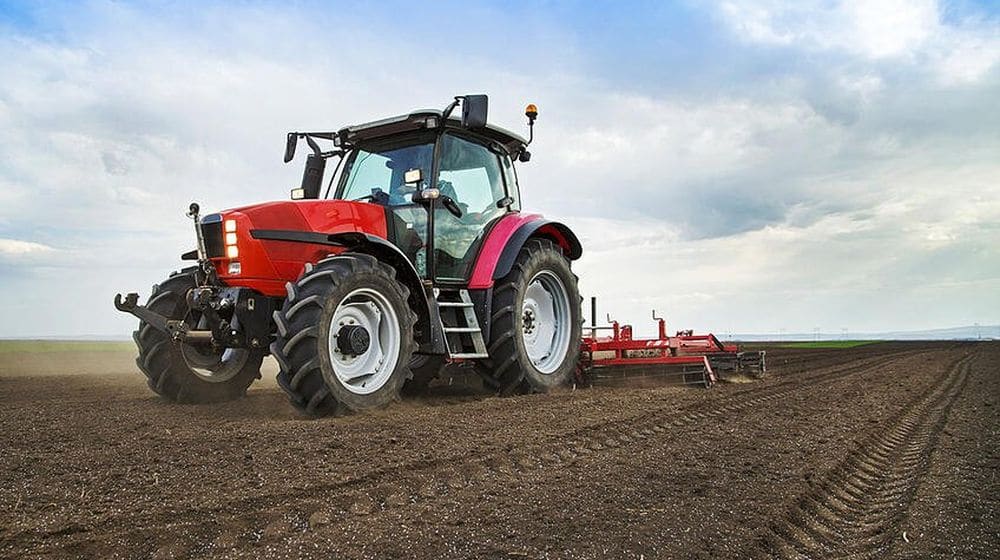
In a strategic move to stabilize economic pressures and enhance national advancement, the Punjab government has initiated a comprehensive Punjab Fuel Subsidy package. This calibrated intervention directly addresses the rising global oil prices, which have significantly impacted local costs. Consequently, the program aims to bolster agricultural productivity and provide critical relief for daily commuters across the province, demonstrating a proactive approach to economic resilience.
The Translation: Calibrated Economic Support Unpacked
Chief Minister Maryam Nawaz has launched targeted financial support designed to mitigate the adverse effects of global energy market fluctuations. The core logic behind this initiative is to directly reduce operational costs for two critical segments of Pakistan’s economy: wheat farmers and motorbike users. This dual-pronged approach ensures both rural productivity and urban mobility are maintained amidst economic volatility.
Precision Aid for Wheat Cultivators
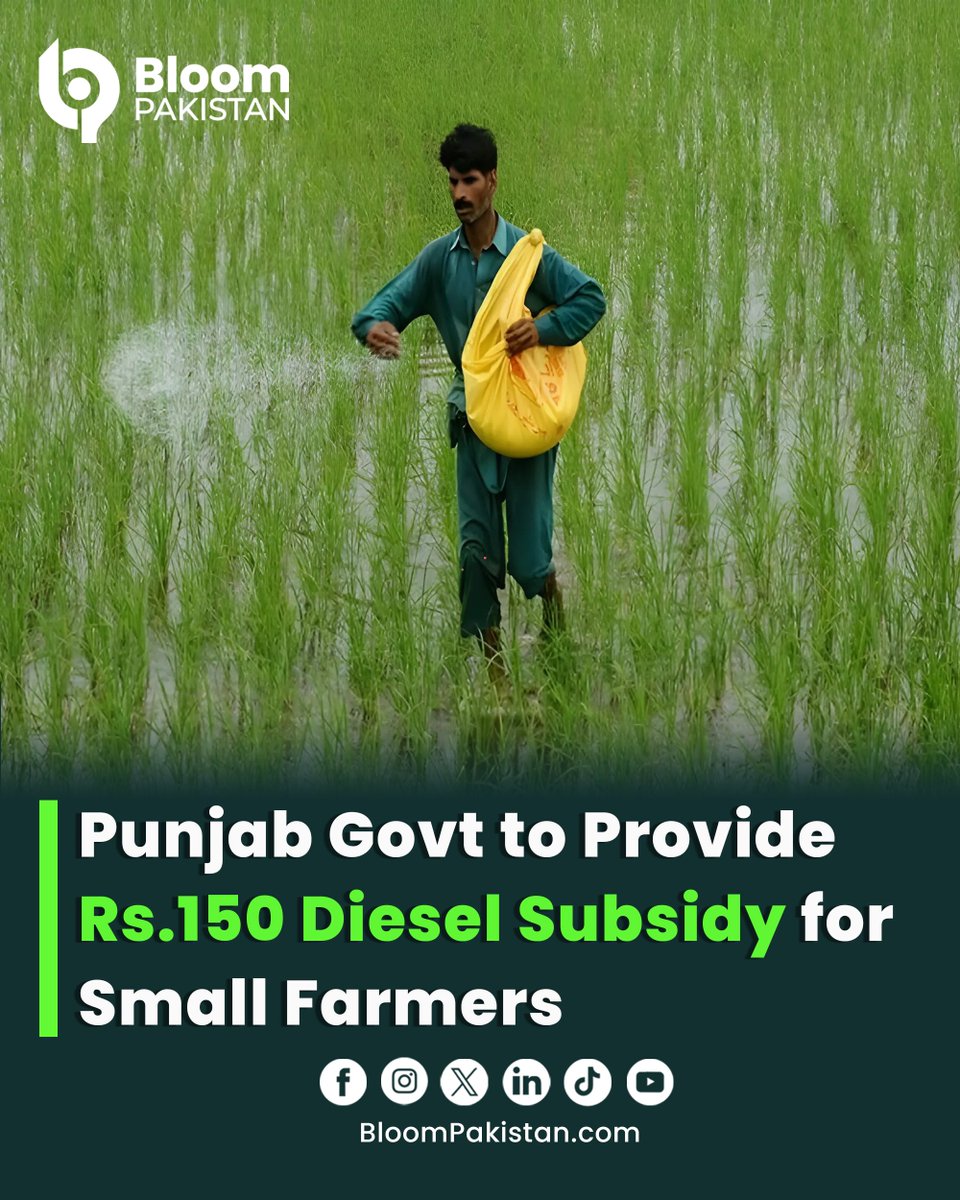
Under this precisely engineered package, wheat growers owning up to 25 acres of land qualify for substantial diesel relief. Specifically, eligible farmers will receive a subsidy of Rs. 150 per liter on 10 liters of diesel for each acre cultivated. Furthermore, the Chief Minister is personally overseeing the implementation to guarantee that these financial benefits reach every farmer through a transparent and effective process, preventing diversion and ensuring direct impact.
Enhancing Urban Mobility and Accessibility
Beyond agricultural support, the initiative extends to urban commuters, particularly motorbike owners. The government has announced the complete abolition of motorbike registration fees and transfer fees across Punjab, structurally reducing the barriers to ownership. Additionally, a monthly subsidy of Rs. 2,000 is provided for every registered motorbike. This package offers petrol at a subsidy of Rs. 100 per liter for up to 20 liters per month, directly reducing transportation expenses for a significant portion of the population. This comprehensive relief package has been launched with immediate effect.
The Socio-Economic Impact: Daily Life Transformed
This strategic intervention directly impacts the daily lives of Pakistani citizens in multiple, tangible ways. For farmers in rural Punjab, the diesel subsidy means reduced input costs for irrigation and machinery operation. Consequently, this translates into higher profit margins and increased capacity for sustained agricultural output, directly influencing food security and local economies. Students and professionals who rely on motorbikes for daily commutes will experience significant financial relief.
The abolition of registration and transfer fees, combined with the monthly petrol subsidy, lowers the overall cost of transportation. This enhanced affordability allows households to reallocate saved funds towards other essential needs, improving their quality of life. In urban centers, this policy supports continued economic activity by ensuring accessible and affordable mobility. Thus, the package acts as a catalyst for both rural development and urban economic stability.
The Forward Path: A Momentum Shift for Pakistan
This development represents a definitive Momentum Shift for Pakistan. The calibrated nature of the Punjab Fuel Subsidy, targeting both primary producers and everyday citizens, reflects a forward-thinking policy framework. By addressing the immediate economic strain caused by global fuel price volatility, the government is not merely maintaining the status quo; it is actively investing in the foundational elements of national prosperity.
This initiative establishes a baseline for future targeted interventions, demonstrating a capacity for agile and precise economic management. It is a structural step towards cushioning the populace from external shocks while fostering an environment conducive to sustained growth and improved living standards. The focus on transparency in distribution further reinforces confidence in systemic efficiency.








