

The Punjab government has strategically approved a Punjab Ramadan Package, allocating a substantial Rs. 47 billion for low-income families. This precision-engineered initiative aims to deliver direct financial assistance through Nigehban Cards to 4.2 million households. Consequently, this structural intervention ensures vital support reaches nearly ten million deserving individuals across the province during Ramadan.
The Translation: Deconstructing Direct Aid Mechanisms
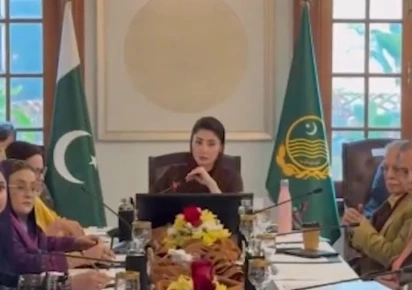
This initiative, sanctioned under Chief Minister Maryam Nawaz Sharif’s direction, signifies a calibrated approach to public welfare. The core mechanism involves distributing Rs. 10,000 to each eligible family via the Ramadan Nigehban Card. Furthermore, this broad relief plan incorporates the CM Rashan Card, Nigehban Dastarkhwan, and Sasta Bazaars, creating a multi-faceted support system.

Significantly, beneficiaries will not be required to navigate government offices for assistance. District administrations will precisely execute door-to-door distribution of Nigehban Cards. This logistical streamlining ensures efficiency and accessibility, minimizing bureaucratic hurdles for vulnerable families.
Activating the Nigehban Card: A Seamless Process
Cardholders gain flexible access to funds. They can withdraw cash through Bank of Punjab branchless banking agents or any One Link network ATM. Additionally, purchases are permissible at designated Bank of Punjab merchant outlets. For activation, 136 dedicated centers will be established across Punjab, supplementing activation options via Bank of Punjab ATMs. This robust infrastructure guarantees widespread usability.
Socio-Economic Impact: Elevating Daily Life in Punjab
This Punjab Ramadan Package directly impacts the daily lives of countless Pakistani citizens. For students, improved household finances can alleviate stress, indirectly supporting educational pursuits. Professionals from low-income backgrounds will experience a tangible reduction in economic pressure, fostering greater stability. Households, both urban and rural, will benefit from increased purchasing power for essential goods, particularly during the demanding Ramadan period.
Specifically, ration card holders will receive a calibrated Rs. 10,000 during Ramadan, a substantial increase from the previous Rs. 3,000 monthly amount. This structural adjustment provides a critical baseline for families struggling with inflationary pressures. Furthermore, the “Maryam Ke Mehman” Nigehban Dastarkhwan initiative will establish eight community dining points in every tehsil, providing iftar to 2,000 fasting individuals daily. This collective effort strengthens social safety nets.

Strategic Price Stabilization: The Role of Sasta Bazaars
To further stabilize market prices, 65 Sasta Bazaars will operate across 30 districts, augmented by 50 permanent bazaars and 15 “Sasta on the Go” outlets. Temporary Ramadan Sasta Bazaars will also extend coverage to an additional 11 districts. This comprehensive network is a strategic intervention against price gouging, ensuring access to affordable necessities.
Chief Minister Sharif has mandated the immediate identification of suitable land for Sasta Bazaars in 60 tehsils, reflecting a proactive infrastructure development strategy. A provincial monitoring room, equipped with 1,250 cameras, will meticulously oversee pricing, cleanliness, and security. Consequently, this high-precision surveillance system will enforce market discipline. Dedicated stalls from flour mills, chicken suppliers, and ghee mills associations will also ensure an uninterrupted supply chain, preventing artificial shortages.
The Forward Path: A Momentum Shift for Social Welfare
This robust Punjab Ramadan Package represents a significant momentum shift in social welfare programming. The calibrated financial aid, coupled with direct delivery mechanisms and market stabilization efforts, indicates a proactive governance model. It moves beyond simple maintenance, establishing a more resilient and responsive framework for supporting vulnerable populations. This structural commitment to citizen well-being during economically challenging times is a crucial catalyst for national advancement.








