

The strategic expansion of permissible Punjab kite manufacturing marks a calibrated approach to cultural celebration and economic stimulation within the province. The Punjab government has strategically expanded permissible Punjab kite manufacturing to four additional districts—Faisalabad, Kasur, Multan, and Sheikhupura. This pivotal decision addresses surging demand and escalating prices ahead of the Basant festival in Lahore, scheduled for February 6-8. Previously, only Lahore held the exclusive right for approved kite material production. This move aims to decentralize supply, stabilize market dynamics, and ensure the cultural event’s accessibility.
Calibrated Expansion: Deciphering New Manufacturing Directives
The provincial cabinet’s approval, formally communicated via a February 1 letter from the Punjab Home Department to relevant deputy commissioners, signifies a structural shift. This directive explicitly permits the production of specific kite-flying materials in the newly designated areas. Manufacturers are now required to register with their local deputy commissioners and through the Punjab government’s e-Biz digital portal. This registration process ensures oversight and compliance, streamlining the regulatory framework. Furthermore, only the production of permissible kite-flying material is sanctioned, reinforcing safety protocols and quality control.
Socio-Economic Resonance: Impact on Pakistani Households and Commerce
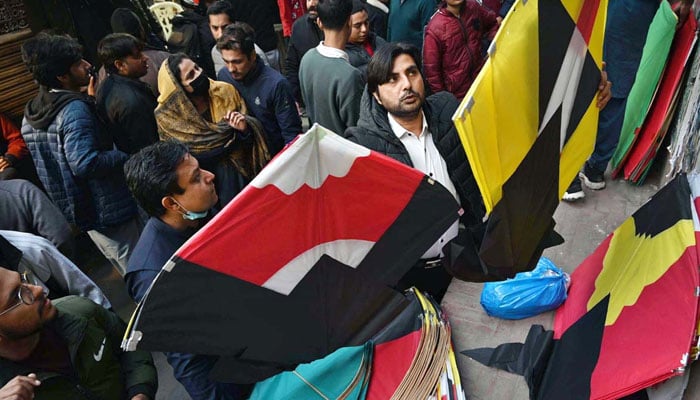
This policy adjustment directly impacts Pakistani citizens, particularly those in Faisalabad, Kasur, Multan, and Sheikhupura. For local artisans and small businesses, the opening of new manufacturing hubs represents a significant economic catalyst, fostering employment opportunities and increasing income streams. Students and families participating in Basant will experience more accessible and potentially more affordable kite-flying materials, enhancing their engagement with the cultural celebration. Consequently, this decentralization could alleviate market pressures in Lahore, ensuring a more stable supply chain for permissible kite material. This strategic move aims to balance cultural heritage with economic opportunity.

Precision Protocols: Ensuring Safe and Regulated Kite Production
Strict Adherence to Kite Flying Regulations
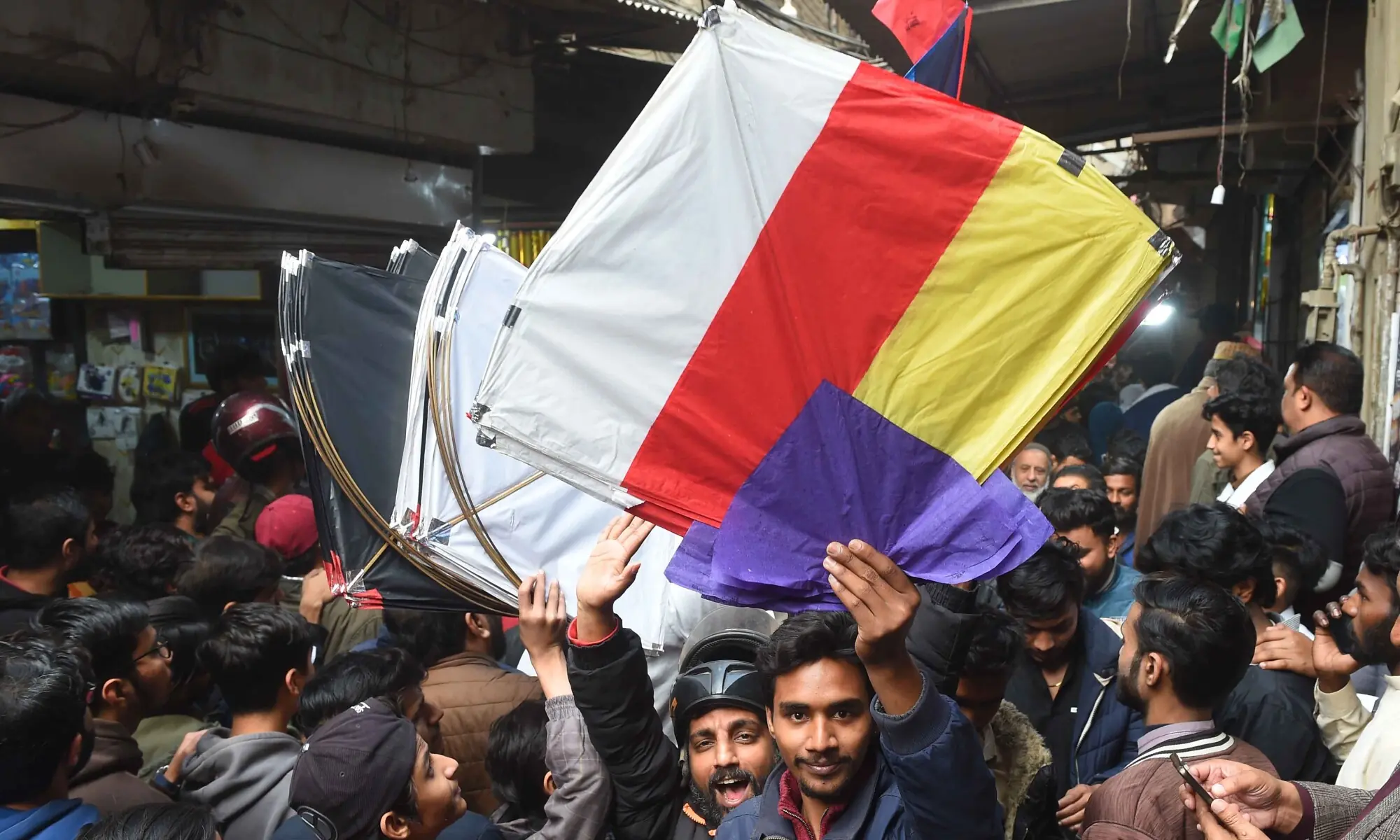
Under the government’s precise instructions, only cotton string is authorized for sale during the Basant festival. The manufacture of metallic string and kites exceeding approved dimensions remains strictly prohibited. This baseline measure is critical for public safety. Specifically, the code of conduct dictates that a 1.5 Tawa Gudda must measure 40 inches in width and 34 inches in length. A 4.5 Guddi kite, conversely, must adhere to 35 inches in width and 30 inches in length. Authorities will rigorously enforce these size limitations, preventing the production or use of oversized kites. Additionally, the provincial government has issued a clear ban on kites displaying images of individuals, holy scriptures, religious sites, the national flag, or political party symbols. This structural approach ensures both cultural respect and public order.
The Forward Path: A Momentum Shift for Cultural Economy
This calibrated decision represents a significant “Momentum Shift” for Pakistan’s cultural economy. By strategically expanding kite production beyond a single district, the government is not merely facilitating a festival; it is decentralizing economic activity, fostering regional growth, and directly responding to market demands. The move balances traditional celebration with modern regulatory oversight, creating a framework for sustainable cultural enterprise. This structural adjustment indicates a forward-thinking approach to managing popular events, transforming potential challenges into opportunities for controlled economic and social engagement.








