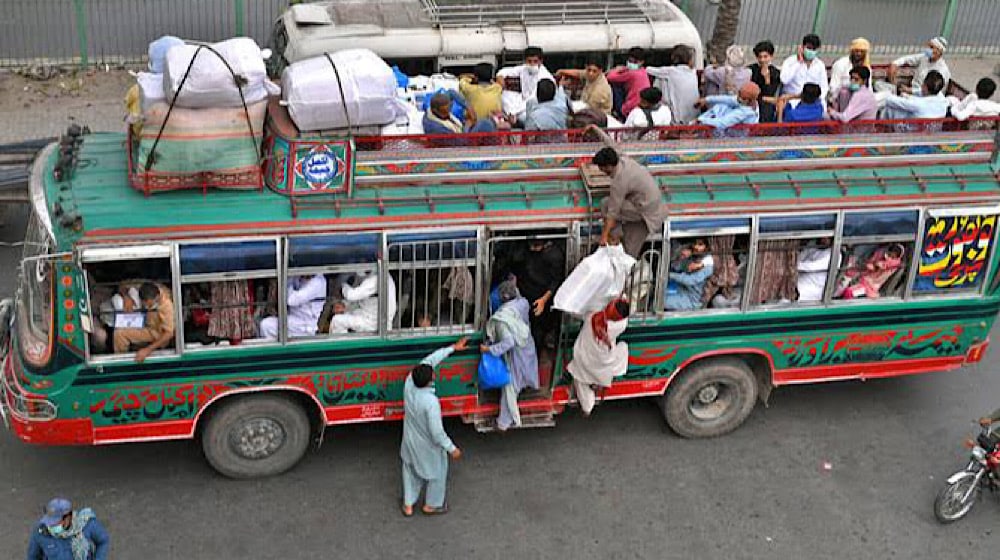
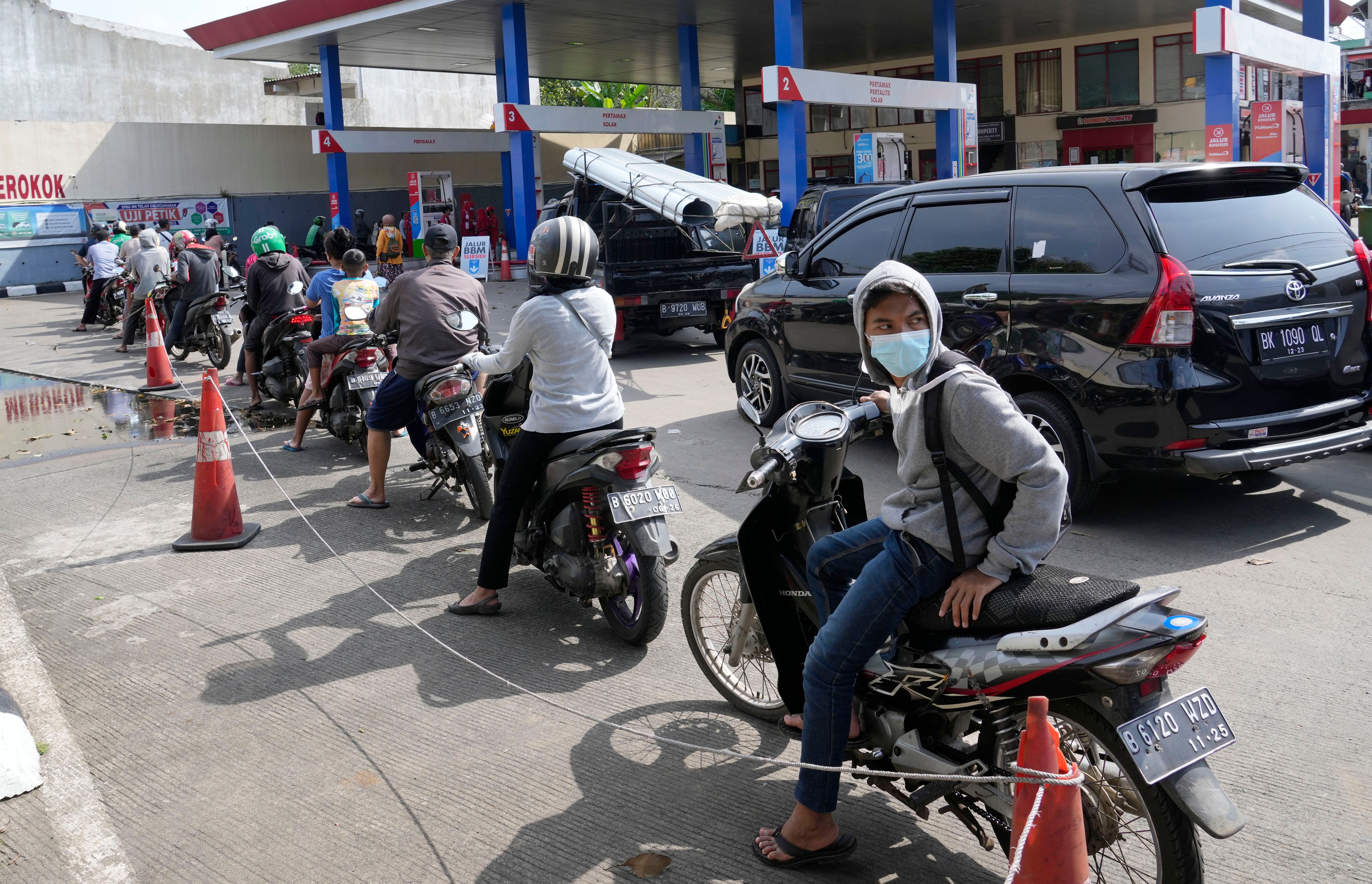
A calibrated adjustment in Pakistan transport fares is now underway, with operators implementing increases up to 25%. This structural change follows recent escalations in petroleum product prices, directly impacting the operational baseline for buses, wagons, and minivans nationwide. Consequently, this marks the most significant surge in passenger transport costs observed over the past seven years, prompting a re-evaluation of mobility economics across urban and rural centers.
The Translation: Deconstructing Mobility Cost Escalation
The recent surge in Pakistan transport fares is a direct consequence of escalating fuel prices. Operators, facing increased costs for petroleum and spare parts, have strategically adjusted their pricing models to maintain service viability. This measure ensures that the logistical framework supporting daily commutes remains functional, mitigating potential service suspensions that would further disrupt citizen mobility. Previously, major routes such as Lahore to Islamabad saw fares rise from Rs2,670 to Rs3,338. Similarly, the journey from Lahore to Peshawar increased from Rs2,530 to Rs3,200. These are not arbitrary increases but a reflection of the economic pressures on the transport sector.
Precision in Price Adjustments: Key Routes Analyzed
Further analysis reveals specific increases across critical intercity routes. The fare from Lahore to Faisalabad, for instance, transitioned from Rs980 to Rs1,300. Furthermore, travel from Lahore to Karachi now stands at Rs7,250, up from Rs5,800. Additional adjustments include Lahore to Multan (Rs1,650 to Rs2,063), Lahore to Sukkur (Rs3,400 to Rs4,250), Lahore to Murree (Rs2,290 to Rs2,863), and Lahore to Sadiqabad (Rs2,430 to Rs3,038). These revisions underscore the systemic impact of fuel price volatility on national connectivity and logistical efficiency.
Intra-City Dynamics: Sindh’s Strategic Adjustments
Beyond intercity travel, intra-city and intercity fares within Karachi and other Sindh regions have also experienced adjustments. Specifically, the fare from Karachi to Larkana increased from Rs1,500 to Rs1,800. The route to Shikarpur saw an increase from Rs1,500 to Rs1,700. Similarly, fares for destinations like Jhang and Fort Abbas rose from Rs3,200 to Rs3,500, while the Bahawalnagar route increased from Rs2,500 to Rs3,000. This regional recalibration is critical for maintaining robust local transport networks.
The Socio-Economic Impact: Calibrating Daily Life for Pakistanis
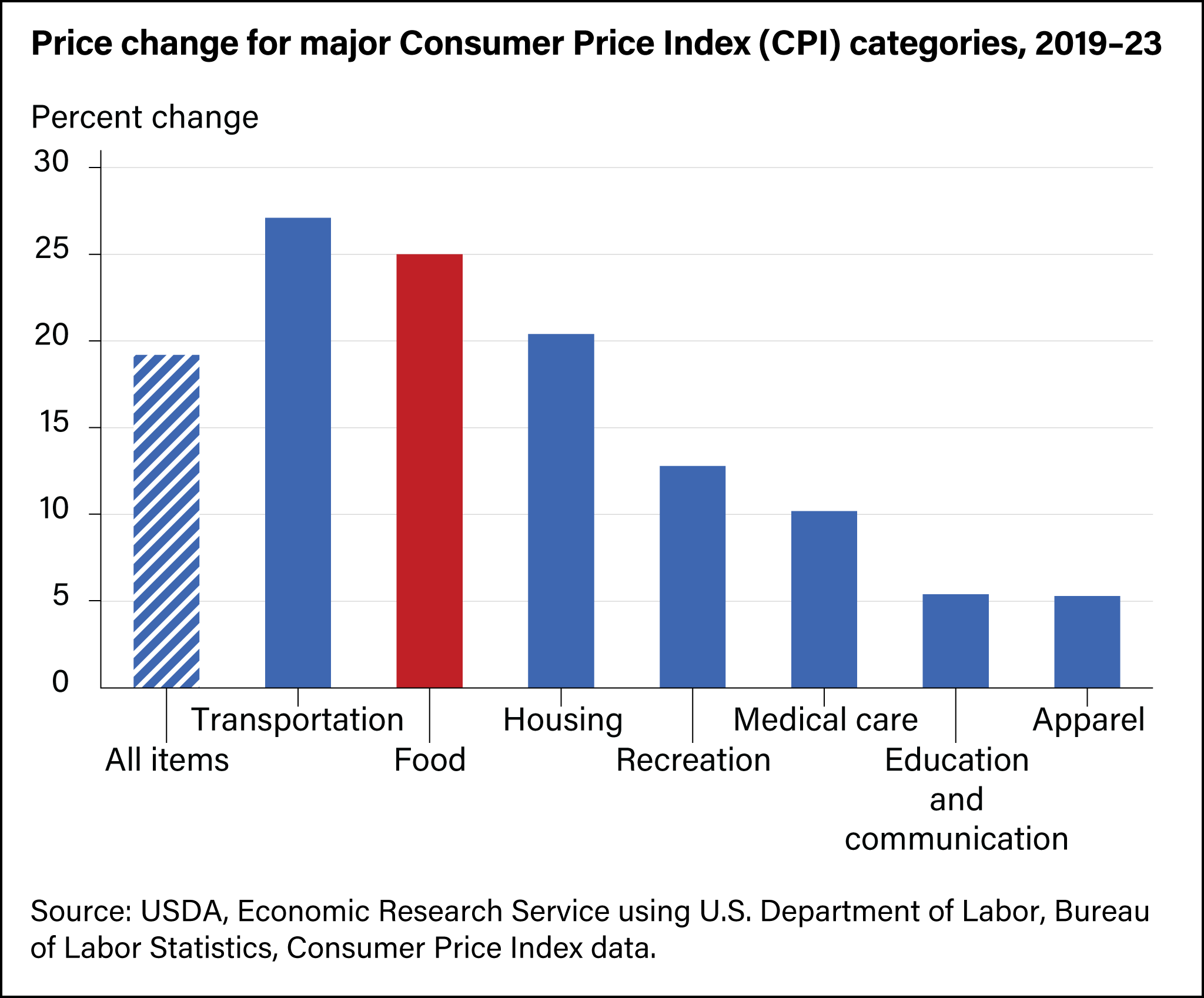
The rise in Pakistan transport fares directly affects the daily financial calculus for millions. For students, professionals, and households across both urban and rural Pakistan, these fare increases translate into higher commuting costs. This situation intensifies the financial burden, especially for low-income families who must often prioritize essential expenditures. Consequently, decisions between daily meals and necessary travel expenses become a critical, challenging choice for many citizens. This economic shift impacts access to education, employment, and essential services, demanding adaptive financial strategies from citizens.
Citizen Perspectives and Operational Imperatives
Passengers express significant concerns, noting that these increases complicate essential travel and family engagements amid rising inflation. Many commuters describe attending family events or traveling for personal matters as a major financial burden. Conversely, transporters assert that these adjustments are indispensable. Higher fuel prices and the escalating cost of spare parts have substantially increased their operating expenses. They argue that without these fare hikes, many operators would be compelled to cease services, leading to a systemic breakdown of public mobility infrastructure. Therefore, this issue represents a complex equilibrium between affordability and operational sustainability.
The “Forward Path”: A Stabilization Move
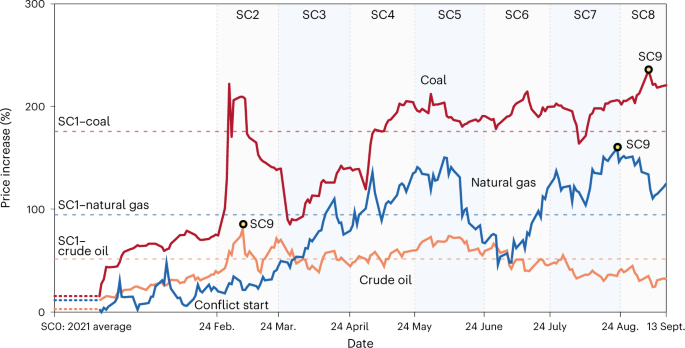
This development represents a Stabilization Move for Pakistan’s transport sector. While the immediate impact on citizens is challenging, these fare adjustments are a necessary recalibration to prevent systemic collapse within the public transport infrastructure. Without addressing the baseline operational costs, a broader disruption of services would occur, leading to more profound economic and social dislocations. The strategic focus must now shift towards implementing long-term solutions, such as optimizing fuel efficiency, exploring alternative energy sources for public fleets, and establishing predictive pricing mechanisms to absorb future economic shocks. This requires a precise, data-driven approach to ensure sustainable and accessible mobility for all Pakistanis.