Pakistan’s capital market has strategically advanced by officially transitioning to the PSX T+1 Settlement cycle. This landmark reform, effective February 9, 2026, significantly strengthens efficiency, mitigates risk, and calibrates the country’s financial infrastructure with global best practices. This crucial upgrade positions Pakistan’s capital market for enhanced liquidity and robust investor confidence, marking a pivotal step toward national economic progress.
The Structural Evolution: PSX Embraces T+1 Settlement
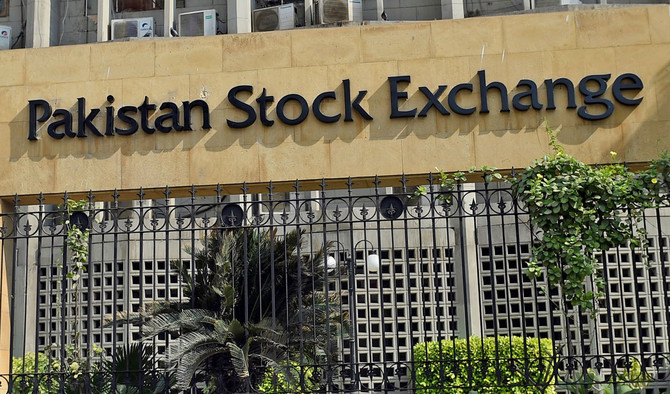
This critical transition mandates that all eligible trades at the Pakistan Stock Exchange (PSX) now settle on a Trade plus one (T+1) basis. Consequently, the previous T+2 cycle has been systematically replaced, streamlining the post-trade process. This modernization initiative underscores a commitment to operational excellence and systemic resilience within Pakistan’s financial sector.
Precision in Practice: The T+1 Mechanism Explained
The Securities and Exchange Commission of Pakistan (SECP) precisely guided this implementation. Furthermore, the transition involved extensive collaboration among key financial entities. These included the PSX, National Clearing Company of Pakistan Limited (NCCPL), Central Depository Company (CDC), and other critical stakeholders such as the State Bank of Pakistan (SBP) and Pakistan Banks Association (PBA). This collaborative framework ensured a seamless shift to the new, more efficient settlement standard.
The Translation (Clear Context)
Previously, a trade executed on Monday would finalize on Wednesday (T+2). Now, with the T+1 cycle, that same Monday trade concludes by Tuesday. This means investors gain faster access to their funds and securities. It systematically reduces the time assets are “in transit,” minimizing exposure to market fluctuations and potential counterparty defaults. Therefore, this move is a structural upgrade for operational speed and security.
The Socio-Economic Impact
For the average Pakistani citizen, particularly students and professionals engaging in the capital market, this reform translates directly into tangible benefits. Faster access to funds means quicker reinvestment opportunities or liquidity for personal needs, enhancing financial agility. Moreover, reduced market risk protects investments more effectively, fostering greater trust in the system. This directly impacts household financial planning and encourages broader participation, ultimately supporting economic stability and growth across urban and rural Pakistan.
The “Forward Path” (Opinion)
This development represents a definitive Momentum Shift for Pakistan’s capital market. By proactively adopting the T+1 settlement cycle, Pakistan positions itself ahead of many advanced economies. This strategic foresight signals a robust commitment to global alignment and investor protection. It serves as a strong catalyst for attracting further institutional and foreign investment, driving future market expansion and technological integration.
Global Alignment and Strategic Positioning
Pakistan’s capital market now aligns with leading global markets. Nations like the United States, Canada, Mexico, and China have already embraced shorter settlement cycles. In contrast, Europe, the UK, and Switzerland are projected to transition by 2027. This early adoption demonstrates Pakistan’s strategic commitment to modernization, placing it at the forefront of international best practices.
Catalytic Advantages of T+1 Implementation
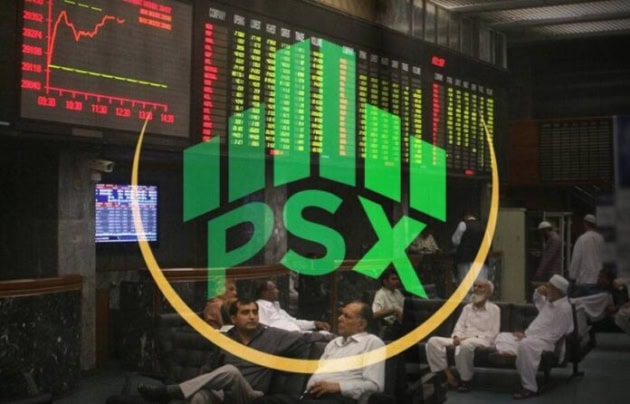
The shift to the PSX T+1 Settlement cycle generates significant advantages. It ensures faster access to funds and securities, thereby boosting overall market liquidity. Consequently, settlement and counterparty risks diminish due to shorter exposure periods. Quicker trade finalization inherently enhances operational efficiency, solidifying investor confidence, particularly among institutional and international participants. These combined benefits foster a stronger, more resilient market framework consistent with global standards.
Leadership and Collective Endeavor
Dr. Kabir Ahmed Sidhu, Chairman SECP, commended the collaborative success of this initiative. He specifically acknowledged the Pakistan Stock Exchange, Central Depository Company, and National Clearing Company of Pakistan. This reform precisely elevates Pakistan’s capital market to modern jurisdictional standards, enhancing liquidity and mitigating risks. Ultimately, the adoption of T+1 reinforces investor confidence and aligns Pakistan with evolving international best practices.
This milestone reflects SECP’s broader policy commitment: modernizing capital markets, reducing systemic risk, and strengthening investor protection. The PSX, NCCPL, and CDC collectively acknowledge all stakeholders whose focused efforts made this significant transition a success.