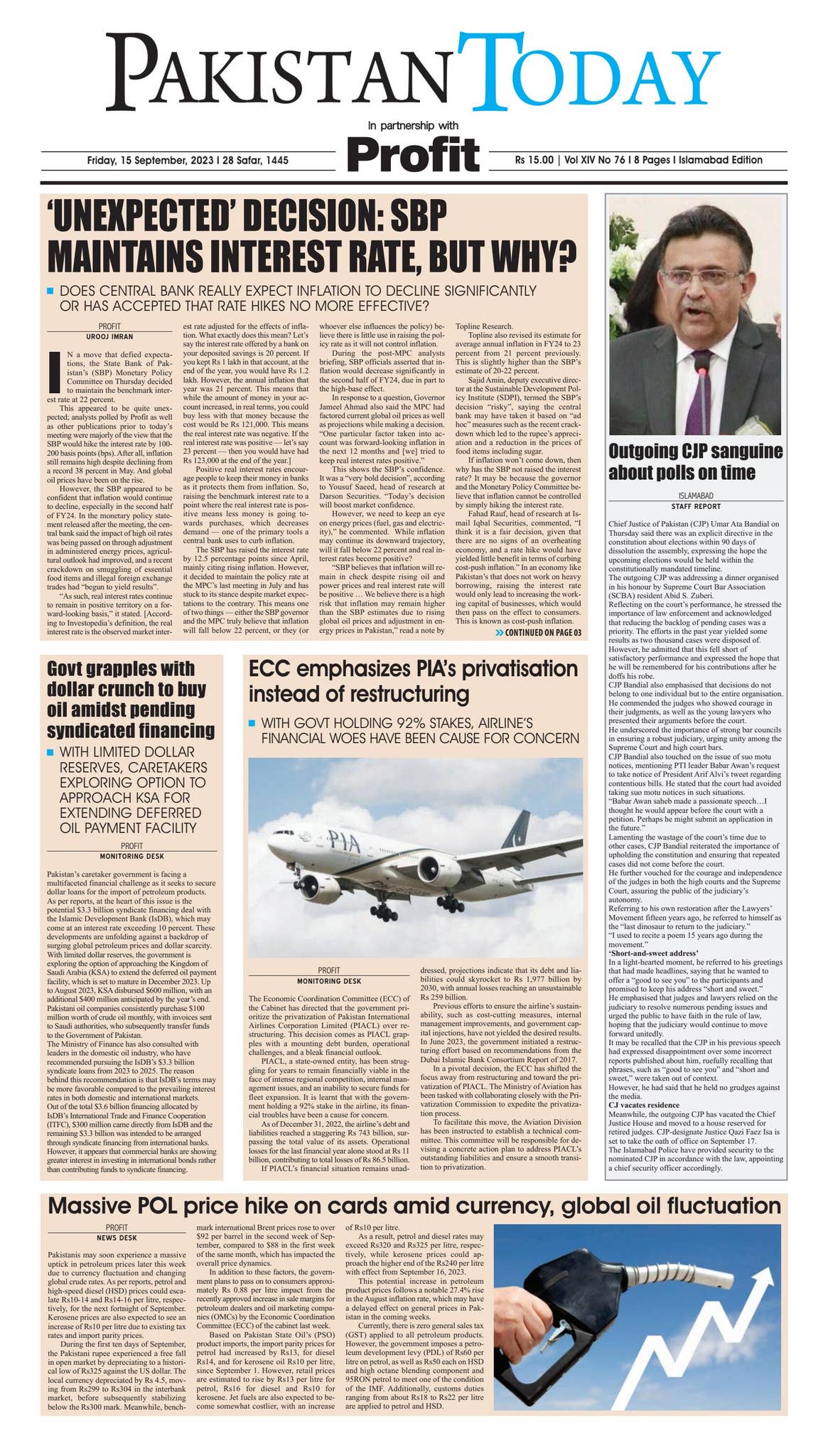
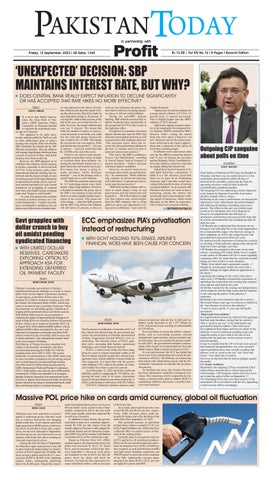
Pakistan has reached a critical structural milestone with the historic PIA Privatization Pakistan, a landmark Rs. 135 billion transaction celebrated at the Pakistan Stock Exchange (PSX). This strategic divestment marks the first significant sale of a state-owned enterprise in nearly two decades, signaling a robust commitment to fiscal stability and economic recovery. Furthermore, the substantial investor interest, with bids totaling approximately Rs. 250 billion, clearly demonstrates growing confidence in Pakistan’s evolving privatization process and its capital markets.
Calibrating National Assets: The PIA Privatization Process
The Pakistan Stock Exchange recently hosted a ceremonial gong event, formally acknowledging the successful transfer of Pakistan International Airlines (PIA) from state ownership to private hands. This pivotal transaction, valued at Rs. 135 billion, signifies more than just a change in management; it represents a calibrated shift in national economic policy. Muhammad Ali, Advisor to the Prime Minister on Privatization, alongside key financial sector leaders, affirmed the government’s resolute commitment to transparent, market-driven reforms.
Consequently, this divestment is projected to alleviate significant pressure on public finances, creating a baseline for broader economic revitalization. It is a decisive move towards untangling the fiscal complexities associated with loss-making state entities. The significant investor participation underscores a renewed confidence in Pakistan’s strategic economic trajectory.

Structural Shifts: Unpacking the Financial Framework
Strengthening Pakistan’s capital markets remains critical for achieving sustainable economic growth, policy transparency, and fostering long-term investor confidence. SECP Commissioner Muhammad Ali Farid Khwaja emphasized this during the ceremony. Furthermore, Arif Habib detailed the precise financial allocation: Rs. 55 billion will directly benefit the government, while a substantial Rs. 125 billion is earmarked for invigorating PIA’s future growth and expansion initiatives. This strategic investment is designed to fortify the airline’s operational capacity and catalyze broader economic development.
Aqeel Karim Dhedhi characterized the PIA Privatization Pakistan as a benchmark transaction among state-owned enterprises. He specifically credited former caretaker finance minister Shamshad Akhtar for restructuring PIA’s guarantees, a pivotal action that facilitated this monumental deal. He also highlighted Muhammad Ali’s leadership in fostering investor confidence, stressing the importance of continuous policy consultation with capital market stakeholders to ensure sustainable reforms.
The Translation: Deciphering the Economic Blueprint
This privatization moves beyond conventional business news; it is a clear signal of Pakistan’s calibrated intent to restructure its national assets for optimal efficiency. The logic is structural: by divesting from a historically loss-making entity like PIA, the government can reallocate resources more effectively. This action aligns with principles of modern fiscal management, reducing national liabilities and redirecting capital towards high-impact sectors. It clarifies the government’s dedication to an open, competitive market economy.
The Socio-Economic Impact: Transforming Pakistani Livelihoods
This PIA Privatization Pakistan initiative carries profound implications for the daily lives of Pakistani citizens. For professionals, it signifies potential improvements in air travel reliability and service quality, enhancing business connectivity and efficiency. Students may benefit from a more robust economy, leading to increased employment opportunities across aviation and related industries. Households, particularly in urban centers, will observe a reduction in the indirect burden of state-owned enterprise losses, potentially leading to more public funds for essential services like healthcare and education.
The strategic injection of Rs. 125 billion into PIA’s future growth indicates a focus on long-term sustainability rather than short-term fixes. This shift aims to transition PIA into a self-sufficient, globally competitive entity, minimizing reliance on taxpayer subsidies. Furthermore, the enhanced stability in capital markets, a direct consequence of such reforms, creates a more predictable economic environment, fostering both local and international investment vital for job creation and infrastructural development across all regions.

The “Forward Path”: A Catalyst for National Advancement
The PIA Privatization Pakistan is unequivocally a Momentum Shift. This transaction transcends mere divestment; it embodies a calculated re-orientation of Pakistan’s economic architecture towards efficiency and market principles. The transparent process, coupled with robust domestic investor engagement and the simultaneous transition to the T+1 settlement system at PSX, establishes a new structural baseline for future state-owned enterprise reforms. This is not merely maintenance; it is a decisive catalyst for accelerating national advancement, setting a precedent for disciplined fiscal management and renewed investor confidence crucial for Pakistan’s long-term prosperity. It is a strategic inflection point that demands sustained policy consultation with capital market stakeholders to ensure these initial gains translate into enduring structural reforms.
PSX CEO Farrukh H. Sabzwari highlighted that this gong ceremony commemorates not only PIA’s privatization but also Pakistan’s broader economic transformation. The transparency of the process and the almost $1 billion committed by domestic investors in the PIA deal alone reflect a robust local investor base. This structural confidence, combined with the recent rally in the stock market, reinforces the nation’s capacity for strategic economic progression.