In a significant geopolitical declaration, President Vladimir Putin affirmed Russia’s unwavering support for Iran, characterizing the nation as a “loyal friend and reliable partner” amid escalating Gulf tensions. This strategic reaffirmation of the Russia Iran Partnership signals a calibrated alignment, even as the practical extent of Moscow’s assistance remains a point of observation during Tehran’s current challenges. Consequently, this dynamic relationship warrants precise analysis to understand its structural implications for regional stability.
The Translation: Deconstructing Geopolitical Signals
President Putin’s formal message extended greetings to Iran’s Supreme Leader Ayatollah Mojtaba Khamenei and President Masoud Pezeshkian, conveying hope for Iranian resilience. Furthermore, Putin condemned the assassination of Iran’s supreme leader as a “cynical” act, reinforcing his criticism of Western military engagements in the region. This sequence of diplomatic maneuvers establishes a baseline of verbal solidarity. However, internal Iranian sources suggest the actual material support from Russia has been limited during what many consider Iran’s most severe crisis since the 1979 revolution. This highlights a nuanced divergence between public declarations and operational assistance.

Socio-Economic Impact: Calibrating Daily Life in Pakistan
For Pakistani citizens, particularly students and professionals monitoring regional stability, the evolving Russia Iran Partnership presents complex implications. A stable Middle East is crucial for energy supply chains and trade routes, directly influencing fuel prices and commodity costs within Pakistan. Escalations in Gulf tensions, often fueled by such diplomatic alignments, can disrupt these critical economic arteries. Therefore, while direct impact is indirect, any shift in regional power dynamics invariably affects Pakistan’s economic stability and security outlook. Furthermore, professionals in logistics and finance must factor in potential market volatilities stemming from such international developments.
The Forward Path: Momentum Shift or Stabilization Move?
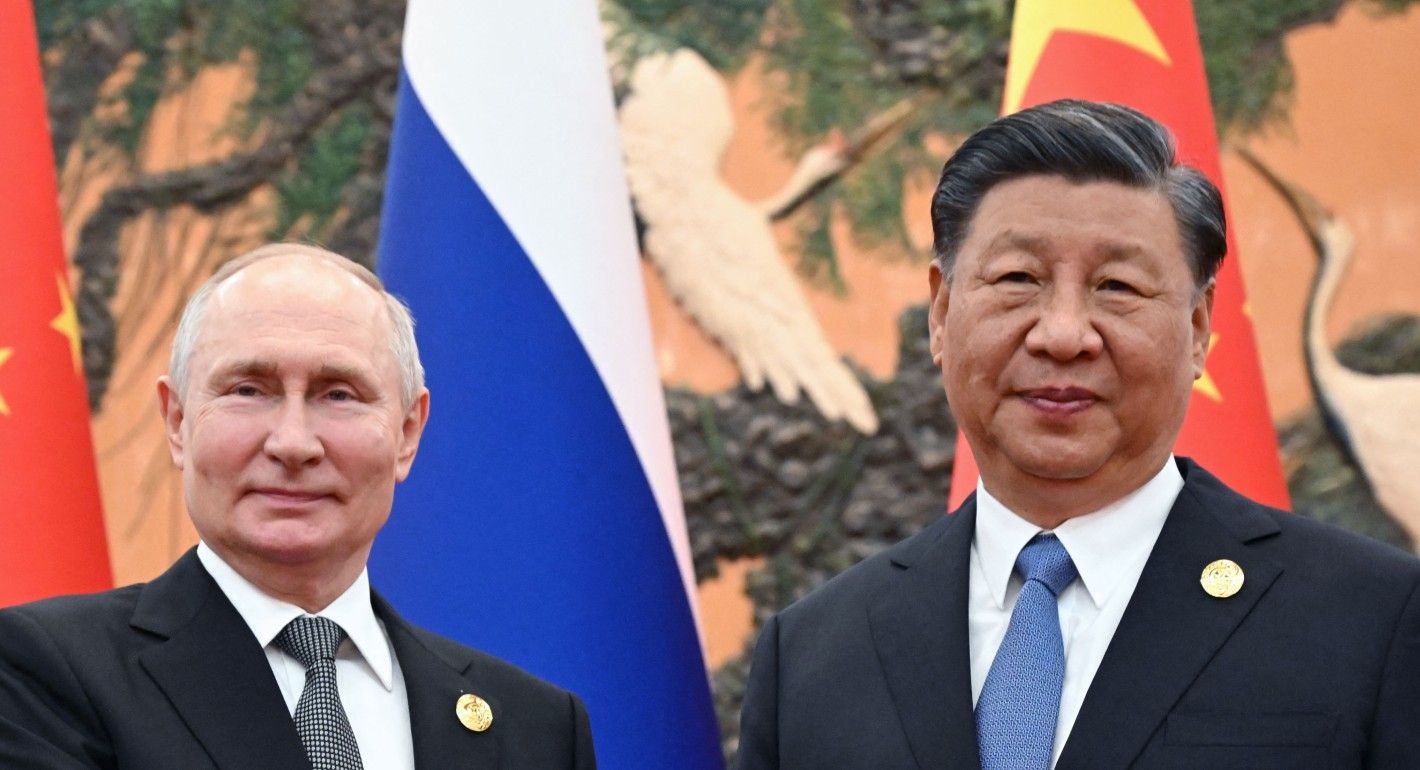
This development fundamentally represents a Stabilization Move rather than a significant Momentum Shift. While Russia explicitly reiterates support for Iran, certain structural limitations preclude a full strategic convergence. Specifically, Moscow acknowledged that its strategic partnership with Iran does not encompass a mutual defense clause. Furthermore, reports indicate a rejected Russian proposal to Washington to halt intelligence-sharing with Iran in exchange for a similar cessation of US support to Ukraine. This reveals a pragmatic, calibrated approach rather than an unreserved alignment. Economically, Russia also benefits from heightened global oil prices, a direct consequence of ongoing regional conflicts. This intricate dynamic suggests Russia prioritizes its own strategic and economic interests, framing its support for Iran within a defined, rather than expansive, framework.