

The strategic calibration of energy policy is fundamental to national advancement. Consequently, the Federal Minister for Power, Awais Leghari, recently clarified tactical adjustments to Solar Net Metering Pakistan regulations, emphasizing consumer protection and fiscal stability. These modifications, purely regulatory and not policy-based, are meticulously designed to prevent an undue financial burden on electricity consumers. Despite these structural changes, the nation anticipates a significant augmentation of 8,000 megawatts in solar power generation, underscoring a precise commitment to sustainable energy expansion while safeguarding economic baselines for ordinary citizens. This calibrated approach ensures that energy progress aligns directly with national welfare and systemic efficiency.
The Translation: Unpacking Pakistan’s Solar Policy Adjustments
Minister Leghari’s defense in the Senate provided critical clarity. Specifically, he explained that the National Electric Regulatory Authority (NEPRA) enacted these changes to rigorously uphold consumer interests, aiming to prevent escalating electricity prices. Furthermore, the minister confirmed that no existing seven-year net-metered contracts have been altered, thereby ensuring stability for current participants. This demonstrates a precise focus on systemic adjustments rather than broad policy overhauls. Ultimately, this safeguards investment and operational continuity for early adopters of solar technology.
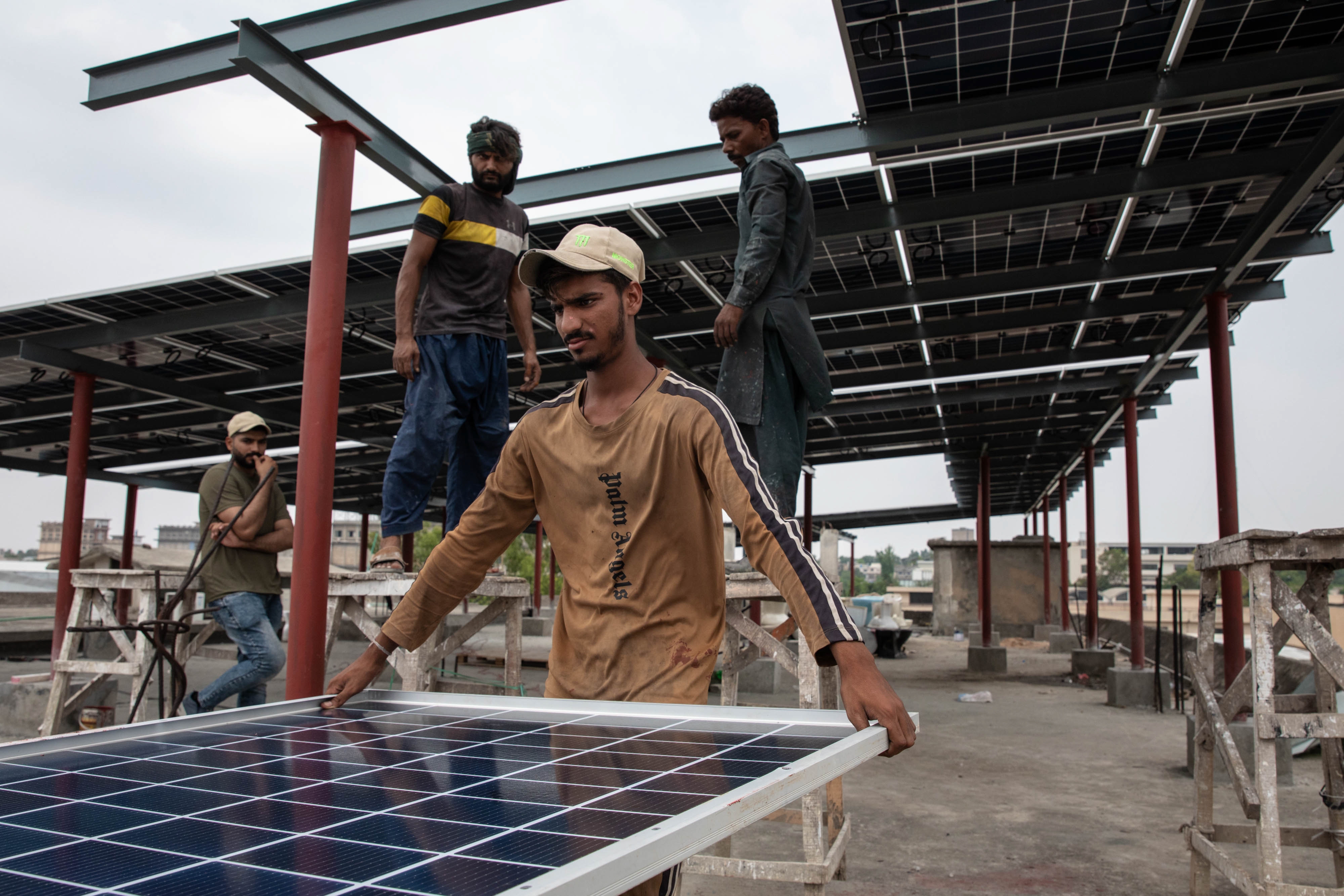
The Pakistan Solar Association (PSA) has publicly supported these governmental measures, signaling crucial industry alignment with strategic objectives. Moreover, the minister attributed past high electricity prices between 2018 and 2022 to the sharp depreciation of the rupee, a significant systemic challenge now under active and meticulous management by the current administration. These comprehensive reforms, including the federal cabinet’s approval of the net metering mechanism, have propelled Pakistan to achieve a remarkable 55 percent clean energy contribution in its national power mix. Consequently, this structural progress is further validated by international institutions endorsing the Shehbaz Sharif government’s power sector reforms as a catalyst for sustainable development.

The Socio-Economic Impact: Direct Benefits for Pakistani Citizens
For the average Pakistani household, these Solar Net Metering Pakistan adjustments translate into a direct and tangible shield against potential electricity price hikes. Analysis indicates that without these precise revisions, consumers would have faced an additional burden of Rs. 5 per unit. This translates to a staggering annual cost increase of Rs. 550 billion on ordinary consumers. Therefore, this strategic intervention directly preserves household budgets, fosters economic predictability, and mitigates inflationary pressures on essential services.

Students and professionals benefit from the calibrated focus on clean energy and stabilized tariffs, which collectively create a more predictable economic environment. This stability potentially frees up household resources for crucial investments in education and innovation. Furthermore, new solar energy consumers are rigorously projected to recover their initial investments within three years, a significant incentive designed to accelerate broader adoption. This swift return on investment acts as a powerful catalyst for sustainable household energy solutions across urban and rural Pakistan. Finally, the near elimination of furnace oil from the national grid structurally improves environmental quality and public health outcomes. This directly benefits all citizens and enhances national well-being.

The Forward Path: A Strategic Stabilization Move
This development fundamentally represents a Stabilization Move for Pakistan’s energy sector. The actions undertaken are primarily focused on optimizing and securing the existing energy framework rather than introducing entirely new paradigms. While the projected 8,000 MW increase in solar generation indisputably signifies substantial progress, the core driver behind these regulation adjustments is fiscal prudence and robust consumer protection. Consequently, it ensures the sustainable growth of solar adoption by proactively preventing market imbalances and meticulously safeguarding the financial baseline for the vast majority of electricity users. This precise recalibration ensures long-term systemic stability within Pakistan’s evolving energy landscape, fostering a resilient and equitable power infrastructure.








