
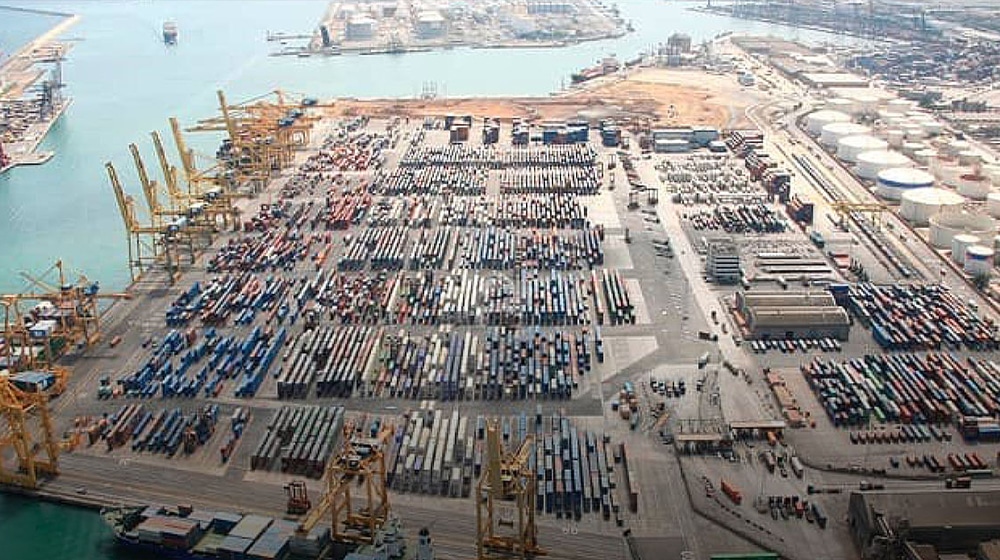
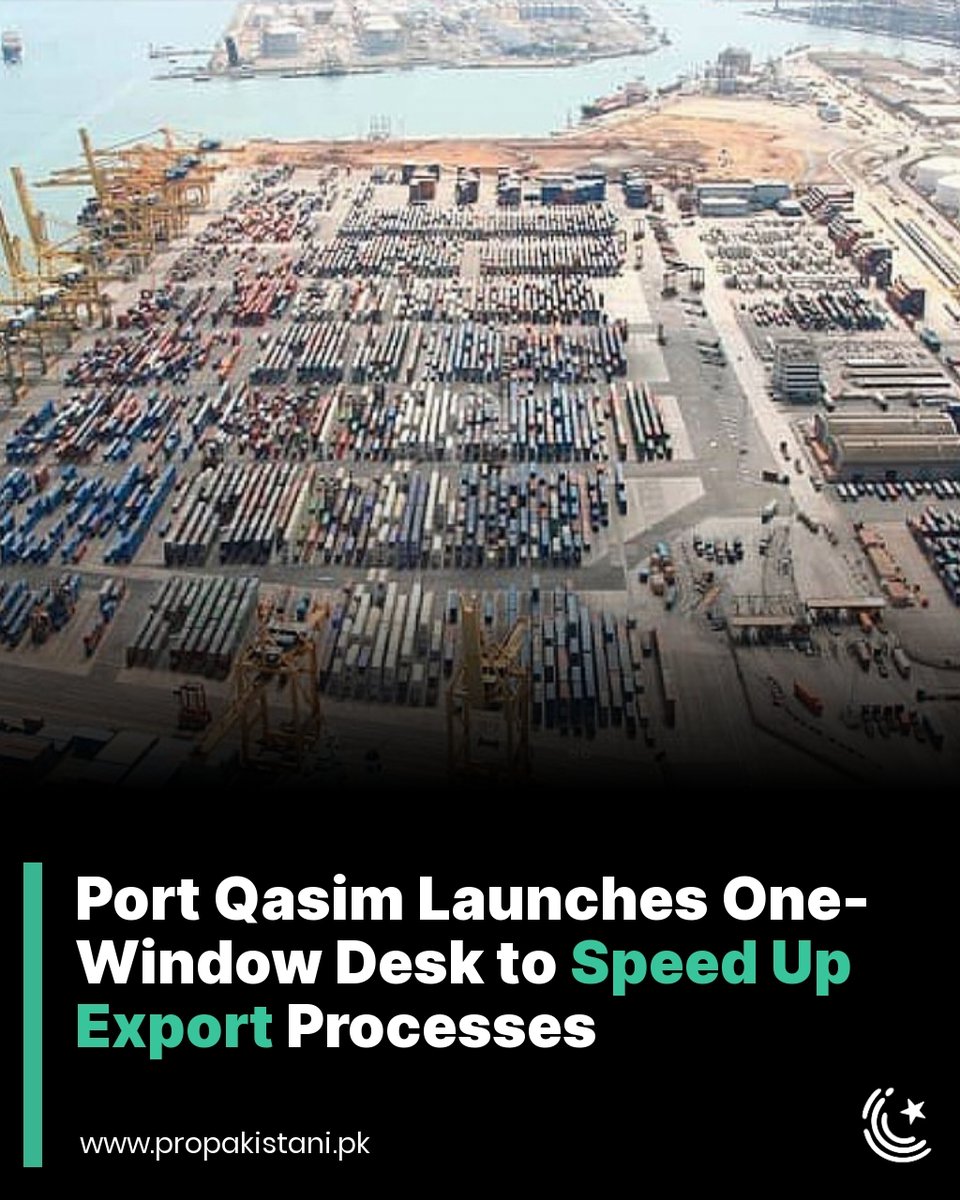
Pakistan’s national advancement hinges on efficient trade mechanisms. Consequently, Port Qasim Authority (PQA) has launched a strategic Port Qasim Export Facilitation Desk, functioning as a precise one-window platform. This initiative aims to rigorously streamline export-related processes and enhance calibrated coordination among all relevant stakeholders. This structural intervention aligns directly with the Prime Minister’s vision and directives from the Federal Minister for Maritime Affairs, targeting a more efficient and business-friendly operational landscape for national exports. The objective is to solidify Pakistan’s position in global trade by minimizing friction and maximizing operational velocity at its key maritime gateways, thereby fostering a robust ecosystem for future economic growth.
The Translation: Deconstructing Export Efficiency at PQA
The establishment of this Export Facilitation Desk by PQA represents a paradigm shift in how export operations are managed within the country. Previously, exporters navigated a labyrinth of multiple agencies and departments for clearances, documentation, and approvals. This often led to significant delays, increased operational costs, and administrative bottlenecks. The “one-window” approach fundamentally reconfigures this process. It consolidates various governmental and port-related services, which were previously fragmented and independent, into a singular, cohesive point of contact. Furthermore, this structural reform eliminates the necessity for exporters to pursue individual departmental approvals. Instead, the desk acts as a centralized command center, efficiently resolving issues, providing real-time updates, and fostering transparent communication between all relevant departments. This systematic integration is designed to ensure a smoother, more predictable, and expedited flow for all export activities at Port Qasim, marking a clear departure from previous multi-point interaction models and embracing a streamlined, digitally-enabled framework for enhanced trade operations.
The Socio-Economic Impact: Precision for Pakistani Livelihoods and National Prosperity
This strategic move directly impacts the daily lives of Pakistani citizens, from urban professionals to rural entrepreneurs and their families. For students aspiring to careers in logistics, supply chain management, or international trade, this initiative creates a baseline for more modern, efficient port operations, offering advanced skill development opportunities. Moreover, for businesses, particularly Small and Medium Enterprises (SMEs) in both urban and rural areas, the significant reduction in bureaucratic friction, processing delays, and associated costs translates into tangible economic advantages and faster market access. Consequently, this initiative fosters a more competitive and dynamic environment for Pakistani goods, supporting robust job creation, increasing foreign exchange earnings, and boosting the overall economic viability of countless households. Increased export revenues will not only strengthen Pakistan’s economic stability and growth trajectory but also contribute to improved public services and infrastructure development across the nation, enabling broader prosperity and a higher quality of life for all citizens. This systematic improvement in trade logistics is a foundational element for national development.
The “Forward Path”: Calibrating Port Qasim Export Facilitation for Global Trade
This development undeniably represents a Momentum Shift. The strategic launch of the Export Facilitation Desk signifies a proactive governmental stance towards modernizing critical trade infrastructure. By rigorously addressing systemic inefficiencies and implementing a centralized, data-driven approach, Pakistan is calibrating its national economic engine for accelerated performance. This is not merely a maintenance effort or a minor adjustment; it is a foundational step towards establishing a more robust, globally competitive export framework. This framework will serve as a powerful catalyst for future economic expansion, attracting foreign investment, and promoting greater technological integration within our national supply chains. This forward-looking approach positions Pakistan for sustained growth and enhanced international economic partnerships, securing its role as a significant player in regional and global commerce.
Key Benefits of Streamlined Export Processes
- Reduced Delays: Expedites cargo movement and documentation, ensuring timely delivery.
- Enhanced Coordination: Centralizes communication among all stakeholders, from customs to shipping lines.
- Cost Efficiency: Lowers operational costs for exporters by minimizing bureaucratic hurdles and time wastage.
- Increased Competitiveness: Positions Pakistani products more favorably in international markets through improved efficiency.
- Economic Growth: Contributes directly to national export revenues, GDP, and job creation across various sectors.
- Transparency: Offers clearer tracking and accountability for export shipments.








