
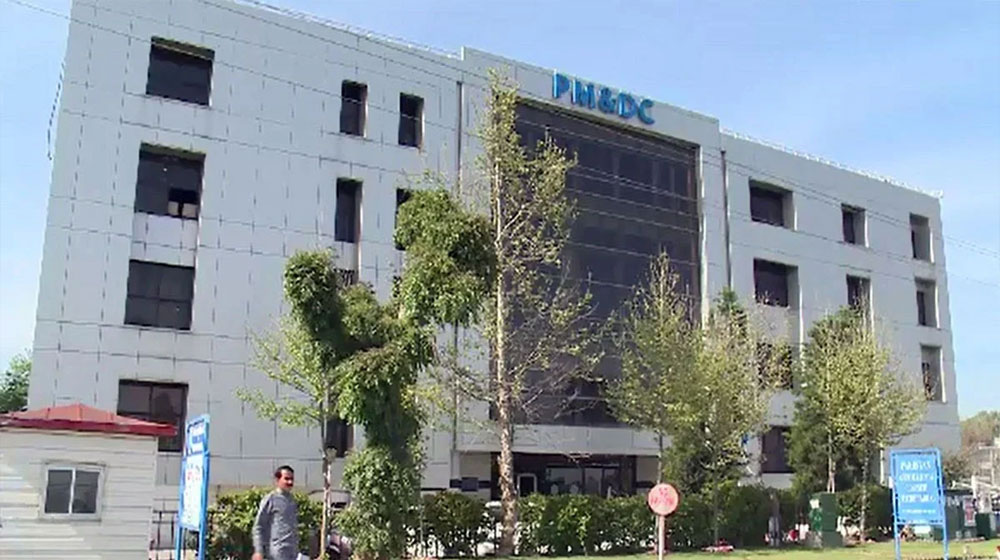
Optimizing Academic Trajectories: The PMDC NEB Exam
In a strategic move to ensure academic continuity, the Pakistan Medical and Dental Council (PMDC) has scheduled the National Equivalence Board (NEB) examination for May 16, 2026. This critical opportunity targets students returning from Iran and other international locations, particularly those impacted by geopolitical tensions, allowing them to seamlessly reintegrate into Pakistan’s medical education system without losing valuable academic progression. Furthermore, this initiative underscores Pakistan’s commitment to supporting its future medical professionals amidst global uncertainties.
The Translation: Clarity on Academic Transfers for Returning Students
The NEB exam serves as a calibrated assessment, evaluating the foundational knowledge, clinical proficiencies, and professional competence of students who have partially completed their medical or dental degrees abroad. Consequently, individuals aiming to transfer into Pakistani institutions must successfully navigate this examination. The PMDC Chairperson, Dr. Rizwan Taj, explicitly stated that this exam is especially beneficial for students returning from Iran due to the Iran–Israel conflict, providing a structured pathway to continue their studies nationally. This specific provision addresses a critical need for our nation’s young scholars.
The Socio-Economic Impact: Empowering Pakistani Households and Professionals
This initiative profoundly impacts Pakistani citizens, particularly students and their families. For urban and rural households, it alleviates the financial and emotional burden associated with international instability, offering a domestic alternative to costly foreign education that has become untenable. Moreover, professionals benefit from a streamlined process to continue their vocational development without interruption, contributing to the nation’s medical workforce. This structural adjustment ensures that aspiring doctors and dentists can complete their education, bolstering Pakistan’s healthcare capacity and ensuring a steady supply of qualified practitioners for future generations.
The “Forward Path”: A Strategic Momentum Shift
This development represents a significant Momentum Shift. The PMDC’s proactive stance in facilitating academic transfers for students facing external challenges is not merely maintenance; it is a strategic investment in human capital. By providing a clear, accessible pathway, Pakistan reinforces its educational resilience and its capacity to absorb and nurture talent returning from abroad. This is a baseline requirement for a nation committed to advancing its systemic efficiency and securing its future medical expertise.
Precision in Procedure: Registration and Eligibility for the NEB
Prospective candidates must adhere to specific procedural guidelines for the NEB exam. The examination will be conducted in Rawalpindi, ensuring a centralized and accessible location. The online registration portal is scheduled to open from April 9 to April 24, 2026. Consequently, timely registration is paramount for all eligible students. The PMDC has advised candidates to access detailed information, including the syllabus and examination center specifics, directly from its official website.
Eligibility Criteria: Who Can Apply for Pakistan Medical Education?
Eligibility for the NEB exam is precisely defined. Students who have successfully completed a minimum of two years of study and have progressed into their third year at recognized foreign medical or dental institutions are qualified to sit for the examination. Passing this PMDC NEB exam is a mandatory prerequisite for securing admission or transferring into medical colleges across Pakistan for the upcoming academic session. This ensures a consistent standard of entry for all returning students.
Targeted Support for Students Affected by Global Events
The PMDC has explicitly underlined that this examination presents a vital opportunity for students returning from Iran and other regions facing geopolitical instability. This targeted support enables them to seamlessly transition their medical education back to Pakistan. Therefore, the council urges students and their parents to critically evaluate international security conditions and long-term academic viability before committing to foreign medical education, emphasizing informed and strategic decision-making.








