
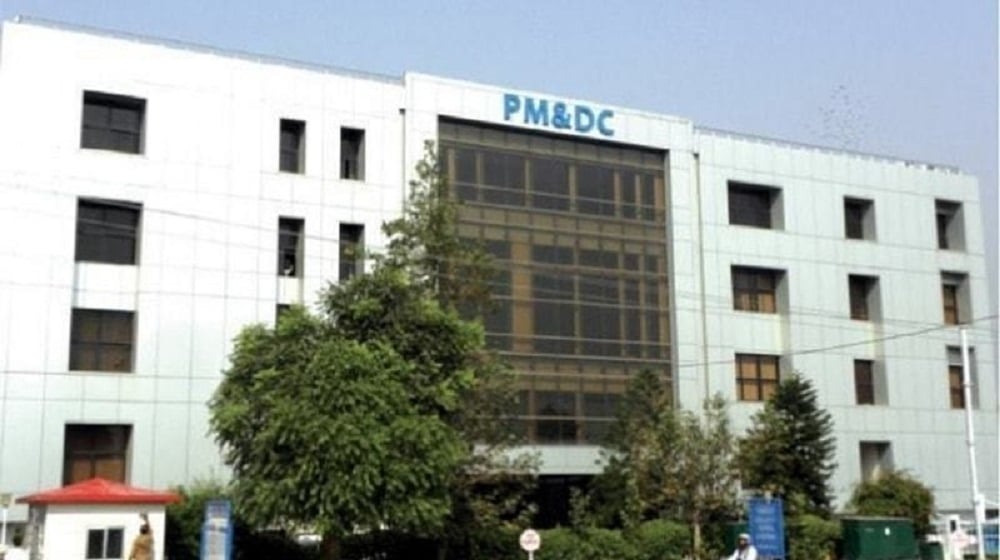
The Pakistan Medical and Dental Council (PMDC) has implemented a strategic decision offering substantial PMDC Medical Relief to a critical segment of the nation’s future healthcare professionals. This calibrated move ensures all postgraduate medical and dental students, alongside degree holders admitted before January 16, 2023, will secure registration upon degree conferment. Consequently, this policy shields earlier cohorts from the more stringent accreditation parameters outlined in the PMDC Act 2022, thereby stabilizing academic pathways for numerous practitioners.
The Translation: Calibrating Regulatory Transitions
The PMDC’s council meeting on January 7, 2026, formalized this protective measure. Specifically, individuals admitted or completing degrees up to January 16, 2023, are eligible for council registration post-degree award. In contrast, students matriculating after this date face new, rigorous requirements. It mandates that their degree-awarding institutions must possess PMDC recognition. Furthermore, their training centers necessitate accreditation under Section 25 of the PMDC Act 2022, establishing a clear baseline for future medical education quality.
This critical regulatory update spans a broad spectrum of postgraduate qualifications. This includes, but is not limited to, MS, MD, MDS, MPhil, PhD, FCPS, MCPS, and various diploma programs. These qualifications are obtained from Pakistani universities, institutions, and the College of Physicians and Surgeons Pakistan (CPSP). The PMDC has directed all eligible candidates to meticulously complete their registration processes according to prescribed protocols, ensuring systematic compliance.
The Socio-Economic Impact: Fortifying Pakistan’s Healthcare Backbone
This strategic PMDC decision directly impacts thousands of aspiring medical professionals, alleviating considerable uncertainty regarding their career trajectories. For students and young doctors, it means validated credentials and a clear path to practice, enhancing the stability of Pakistan’s medical workforce. Consequently, this bolsters public confidence in the healthcare system, ensuring a steady supply of qualified practitioners for both urban and rural communities. This measured approach prevents a potential bottleneck in physician deployment, which could have otherwise compromised essential health services across the nation.
The Forward Path: A Structural Stabilization Move for PMDC Medical Relief
This development represents a Stabilization Move, rather than an outright momentum shift. The PMDC’s action systematically addresses a transitional challenge, preventing potential disruptions in the careers of medical graduates who initiated their studies under prior regulations. While not introducing novel advancements, it effectively safeguards existing human capital within the healthcare sector. Therefore, this proactive measure demonstrates a commitment to structural integrity, ensuring that regulatory evolutions do not inadvertently impede the professional progression of Pakistan’s medical talent pool. It establishes a robust operational continuity, a critical element for national development.








