
Revolutionizing Governance: Pakistan Bureaucracy Reforms Underway
Prime Minister Shehbaz Sharif recently issued a clear directive. He called for the immediate development of a robust performance evaluation system. This system targets federal secretaries and the wider bureaucracy. This move signifies a major step towards overhauling existing civil service structures. It aims to align Pakistan’s administrative machinery with global best practices. Consequently, it will enhance efficiency across all government departments. These Pakistan Bureaucracy Reforms are critical for national progress.
During a high-level meeting on civil service reforms, the Prime Minister emphasized the urgent need. Modernizing the bureaucracy is essential for effective governance. A well-performing civil service, therefore, forms the backbone of national development. This initiative believes a merit-based, performance-driven system will motivate civil servants. Furthermore, it will significantly improve public service delivery.
Overcoming Challenges for Enhanced Public Service
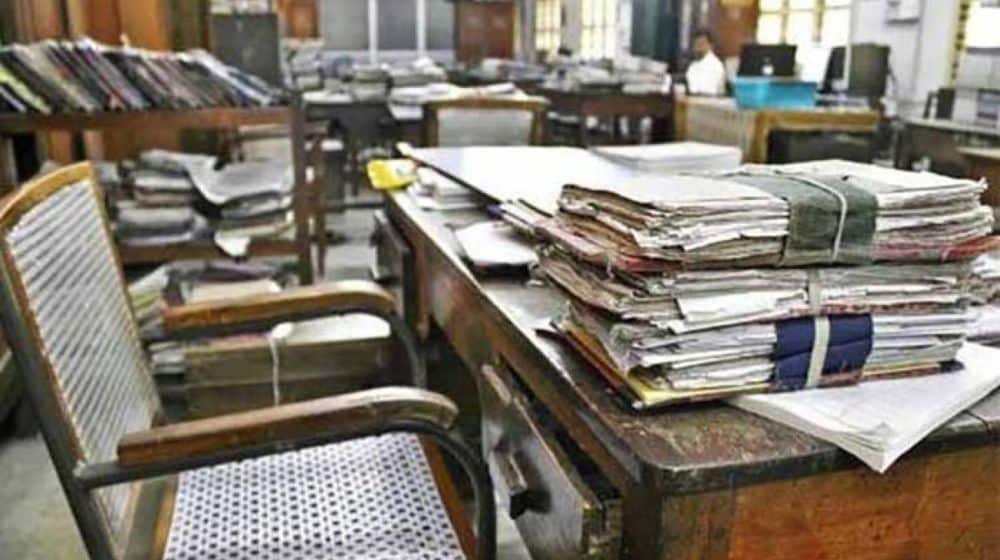
The current bureaucratic framework often faces criticism. Its inefficiencies and outdated evaluation methods struggle to meet dynamic national demands. PM Shehbaz’s directive directly addresses these structural issues. He aims to introduce a system fostering accountability, transparency, and responsiveness. These reforms intend to tackle decision-making bottlenecks. They also seek to reduce red tape, ensuring government functions operate with greater agility. Ultimately, these changes will enhance effectiveness. Furthermore, the impact of Pakistan’s bureaucracy reforms will be far-reaching.
The Prime Minister particularly stressed rewarding high-performing officers. This strategic approach will incentivize excellence. It will also retain top talent and cultivate continuous improvement within the civil service. Prioritizing performance-based evaluations creates a clear pathway for career progression. This progression directly links to tangible results and contributions to national development.

Key Features and Implementation of New Bureaucracy Reforms
The proposed reform package promises to be comprehensive. It encompasses various aspects of civil service management. These include detailed proposals for promotions, financial incentives, and other rewards. All are intrinsically linked to performance assessments. This integrated approach aims to create a holistic system. Here, performance is not only evaluated but also directly impacts an officer’s career and remuneration. The focus will be on quantifiable metrics and demonstrable outcomes. Thus, outdated seniority-based promotions will be replaced.
PM Shehbaz has instructed relevant officers to prepare recommendations swiftly. He emphasized that these proposals must be actionable. Their focus should remain on delivering visible improvements in governance and public services. This urgency reflects the government’s commitment to expedite modernization. It also ensures reforms translate into tangible benefits for Pakistan’s citizens. The system will likely incorporate feedback mechanisms, regular performance reviews, and clear performance indicators.

Towards Efficient Governance: Impact of Reforms
Successful implementation of this new performance rating system is expected. It will have far-reaching positive impacts on Pakistan’s administrative landscape. Fostering a culture of meritocracy and accountability is crucial. Consequently, the reforms will significantly enhance public service delivery quality. This directly contributes to economic stability and social development. A more efficient and responsive bureaucracy is vital for attracting investment. It also streamlines business processes and effectively executes national development projects.
Ultimately, these bureaucracy reforms transcend mere administrative adjustments. They represent a strategic imperative to build a more effective and transparent model. Furthermore, the goal is a citizen-centric governance system. The Prime Minister envisions transforming the civil service. He aims for it to become a dynamic, proactive force. This force must meet 21st-century challenges. The nation anticipates swift, effective implementation of these crucial reforms. This will pave the way for a more prosperous, well-governed Pakistan.








