
Pakistan Declares Export Emergency to Boost Trade
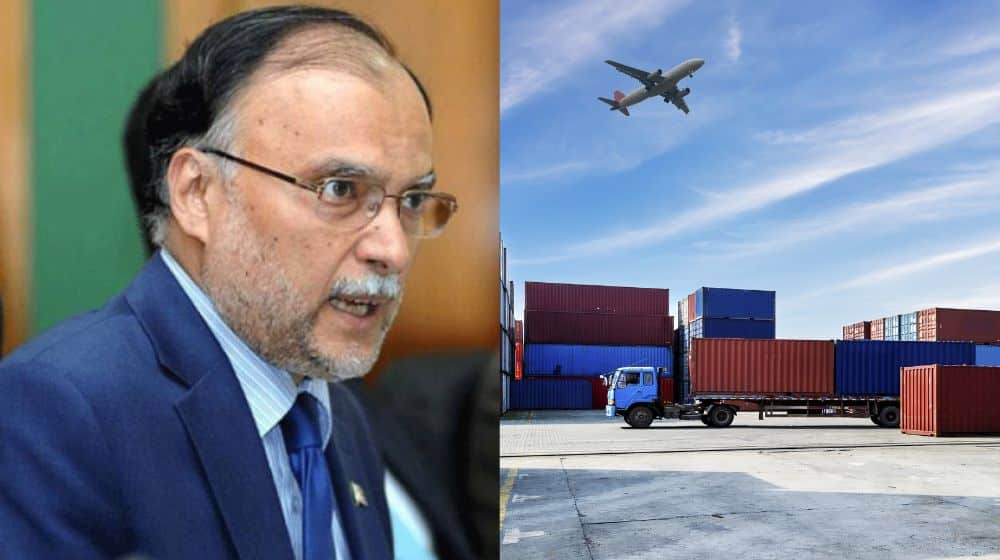
Federal Minister Ahsan Iqbal has made an urgent appeal: declare a Pakistan export emergency. This decisive measure, he asserts, is crucial to invigorate Pakistan\’s trade sector and catalyze export-led economic growth. Speaking at a press conference for the Monthly Development Outlook Report, Minister Iqbal underscored the necessity of robust trade policies. Consequently, securing the nation\’s economic future is paramount.
This call arrives at a pivotal moment. Pakistan currently navigates a complex economic landscape, striving for both stability and sustainable growth. The emphasis on an “export emergency” furthermore highlights a strategic shift. Ultimately, prioritizing external trade as a primary engine for national prosperity remains the goal.
Economic Recovery and Persistent Challenges in Pakistan
The minister presented an optimistic outlook regarding Pakistan\’s economic trajectory. He noted a clear recovery, driven by several key indicators. For instance, inflation has demonstrated a downward trend. It eased from 7.2 percent in July to 5.2 percent by December, despite temporary flood-induced supply disruptions.
Moreover, industrial output has shown a significant turnaround. Large-scale manufacturing improved from 0.6 percent to 5 percent between July and October, ending two years of stagnation. Exports have also begun to rise, and remittances continue their growth. Collectively, these factors contribute to a more stable economic environment.
Minister Iqbal highlighted an encouraging 3.7 percent GDP growth in the first quarter. Conversely, he critically reviewed the previous government\’s approach. He stated that unchecked imports, aimed at achieving 6 percent growth, expanded the trade deficit by $5 billion.
Strategic Measures to Enhance Pakistan\’s Exports
To practically support the exporting community and foster a vibrant trade ecosystem, Minister Iqbal outlined several crucial recommendations. Beyond the overarching declaration of a Pakistan export emergency, these measures include:
- Establishing a dedicated hotline: This hotline, located at the Prime Minister’s House, will serve as a direct channel. Exporters can utilize it to address urgent issues and bottlenecks, ensuring swift resolution.
- Guaranteeing timely refund payments: Delayed refunds often tie up capital for businesses. This impedes their ability to reinvest and expand. By ensuring prompt payments, the government can provide much-needed liquidity and operational efficiency to exporters. Consequently, this boosts their competitiveness in international markets.

Broader Economic Initiatives Beyond Export Promotion
Beyond direct export promotion, the government is actively focusing on broader economic reforms. The Federal Board of Revenue (FBR) reported a substantial collection of Rs. 6.2 trillion in tax revenue from July to December. This marks a significant 19 percent increase compared to the previous year. Such robust revenue generation is vital for funding public development projects and ensuring fiscal stability.
Furthermore, the Ministry of Planning has demonstrated fiscal prudence, saving Rs. 3.5 billion during the first six months of FY26. Concurrently, Rs. 356 billion was approved for development projects during the same period. Rs. 219 billion has already been disbursed, signaling active investment in national infrastructure and growth-oriented schemes.
Tackling Import Substitution: A Key Economic Strategy
Import substitution represents another crucial area of focus. Pakistan currently spends $4 billion annually on edible oil imports. The minister emphasized the urgent need to drastically reduce this bill over the next five years. This will occur through intensified domestic cultivation of canola and other oilseeds.
Similarly, a comprehensive strategy for local tea production is underway. The aim is to cultivate 6,000 hectares for mass tea production. This initiative will significantly reduce reliance on tea imports, bolstering national self-sufficiency.
Investing in Human Capital and Global Partnerships for Pakistan
Looking towards long-term sustainable growth, Minister Iqbal also highlighted significant investments. These include both human capital development and strategic international collaborations. Discussions are ongoing with the United States to expand the Pak-US Knowledge Corridor. This ambitious initiative aims to produce 10,000 PhDs over the next decade. Consequently, this program seeks to bolster Pakistan’s research and development capabilities, fostering innovation and a skilled workforce.
Parallel discussions are also in progress with China for an additional 10,000 doctoral scholarships. This further broadens opportunities for advanced education and specialized training. These initiatives underscore the government\’s commitment to building a knowledge-based economy. By nurturing a highly educated workforce, Pakistan aims to enhance its global competitiveness and drive future economic growth.









