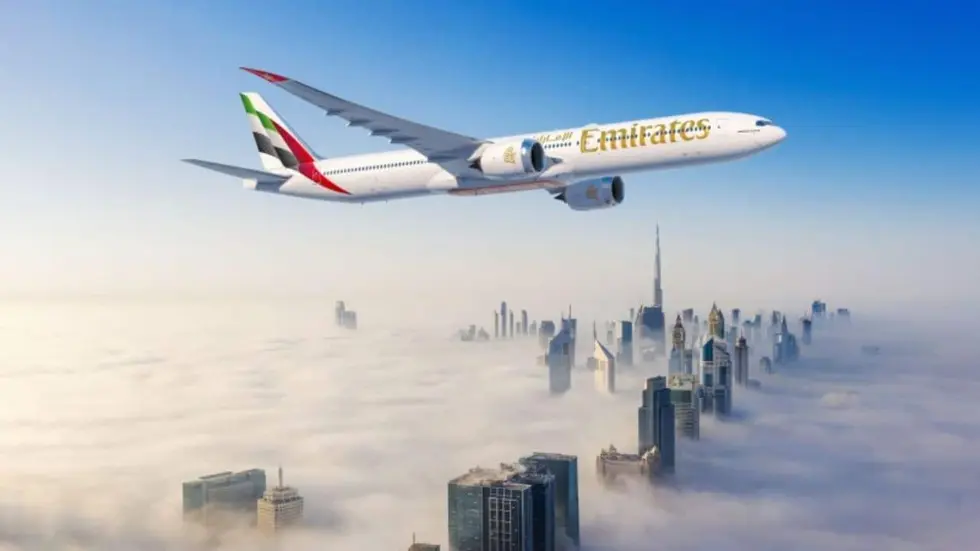
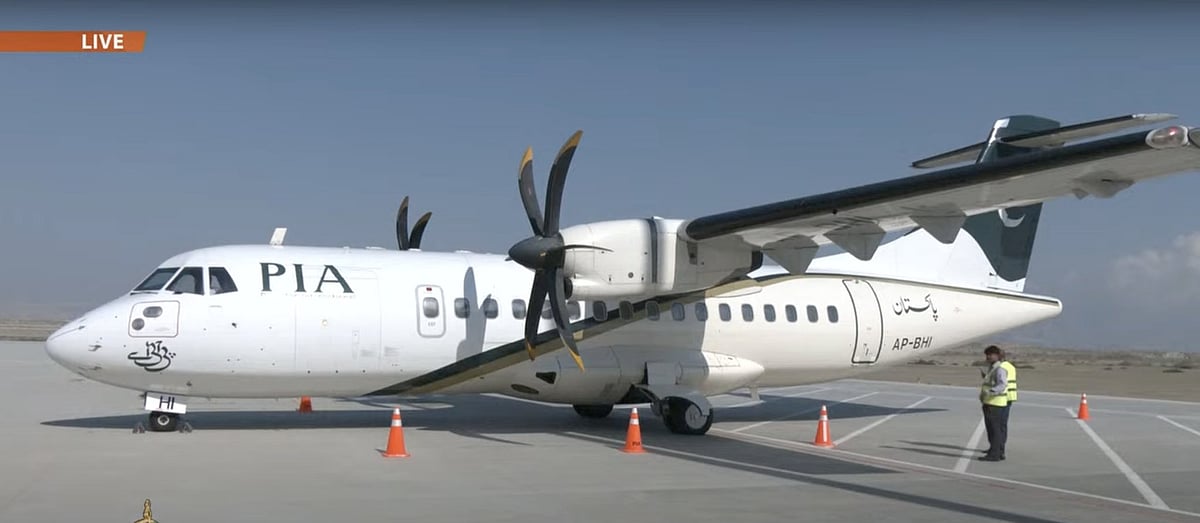
Pakistan International Airlines (PIA) is set to resume direct PIA US flights within the current year, a strategic development signaling a pivotal advancement in the nation’s aviation sector. This announcement, delivered to the Senate Standing Committee on Privatization, underscores a calibrated move towards expanding international operations. Furthermore, the federal government anticipates generating a substantial Rs. 55 billion from PIA’s privatization, thereby eliminating the persistent financial burden previously offset by annual bailout packages ranging from Rs. 50–60 billion.
The Translation: Structural Reforms in Pakistan’s Aviation Sector
The core of this initiative involves a comprehensive restructuring of Pakistan International Airlines. Historically, the national flag carrier required significant government subsidies to maintain operational capacity. Consequently, the privatization process targets endemic issues such as recurring losses and operational inefficiencies often linked to political appointments. This strategic divestment is not merely about asset sales; rather, it’s a calculated effort to alleviate financial strain on the national exchequer by addressing substantial liabilities.
It is crucial to understand that PIA’s key properties remain under government ownership. For instance, valuable assets like the Roosevelt Hotel in New York and the Scribe Hotel in France are retained. This structural approach ensures that while operational burdens are minimized, national interests and strategic holdings are preserved. Moreover, new international routes are being meticulously planned, building on recent successes in optimizing services to the United Kingdom and Europe.
Financial Calibrations for Future Viability
The projected Rs. 55 billion in privatization proceeds represents a significant baseline for financial stability. This figure directly contrasts with the previous annual expenditure, where the government consistently provided bailout packages. By eliminating these recurring losses, the state can redirect crucial funds towards other national development projects, thereby fostering broader economic growth and systemic efficiency across Pakistan’s fiscal architecture.
Socio-Economic Impact: What PIA US Flights Mean for Pakistanis
The restoration of direct PIA US flights will profoundly impact the daily lives of countless Pakistani citizens. For students pursuing higher education or professionals seeking career opportunities in North America, this re-established direct link offers unparalleled convenience and reduced travel times. Previously, indirect routes often entailed longer journeys and increased costs, creating significant logistical challenges.
Furthermore, this enhanced connectivity will catalyze stronger economic and cultural ties between Pakistan and the United States. It facilitates easier business travel, potentially boosting foreign investment and trade relations. For families, the direct flights simplify visits, fostering community cohesion and reducing the stress associated with complex international itineraries. This move directly translates into improved access, convenience, and economic avenues for urban and rural Pakistani households alike.

Bolstering Global Connectivity
The strategic re-establishment of direct air links to a major economic hub like the United States is a tangible demonstration of Pakistan’s commitment to global integration. It not only streamlines travel but also enhances the nation’s perception on the international stage, signaling a robust and improving aviation infrastructure. Consequently, this improved accessibility can stimulate tourism, attract diaspora engagement, and strengthen Pakistan’s position as a dynamic participant in the global economy.
The Forward Path: A Momentum Shift for National Connectivity
This development unequivocally represents a “Momentum Shift” for Pakistan. The resumption of direct PIA US flights, coupled with a meticulously structured privatization plan, moves beyond mere stabilization. It signifies a proactive and calculated repositioning of Pakistan’s national flag carrier towards operational excellence and financial self-sufficiency. This is a foundational step in building a resilient and internationally competitive aviation sector.
The elimination of recurrent government bailouts frees up critical resources, allowing for strategic investment in other high-priority sectors. Therefore, this action is a clear indicator of systemic progress, establishing a new baseline for efficiency and accountability within state-owned enterprises. It is a decisive move to calibrate Pakistan’s infrastructure for future demands, ensuring that its citizens benefit from optimized global connectivity.