

Strategic Air Corridor Expansion: Optimizing PIA UAE Flights
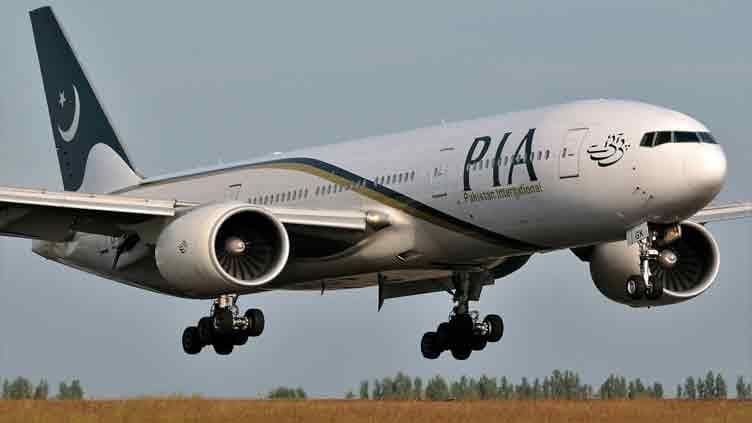
Pakistan International Airlines (PIA) has strategically secured approval to operate two daily PIA UAE flights to the United Arab Emirates, a calibrated expansion of its Middle Eastern network. This significant development enhances vital air links between Pakistan and the UAE, directly impacting business, tourism, and diaspora connectivity. Historically, PIA maintained a singular daily service to both Dubai and Abu Dhabi; consequently, this new authorization represents a direct doubling of capacity on this critical route, streamlining travel logistics for thousands.
The Translation: Operationalizing Increased Flight Frequency
This operational directive signifies a structural shift in PIA’s scheduling strategy for the Gulf region. Previously, single daily rotations limited flexibility for passengers and cargo. Furthermore, the increased frequency enables more optimized aircraft utilization and responsive scheduling, particularly crucial during peak travel periods. This move reflects a proactive adjustment to meet escalating demand, particularly from the large Pakistani expatriate community and business travelers. The airline explicitly confirmed these operational enhancements through internal sources, underlining a clear intent to fortify its regional presence.
Socio-Economic Impact: Direct Benefits for Pakistani Citizens
How does this directly change the daily life of a Pakistani citizen? For students and professionals seeking opportunities in the UAE, these additional PIA UAE flights mean greater choice and potentially more competitive fares. Furthermore, families maintaining ties across the Gulf will experience enhanced convenience, reducing travel complexities and wait times. This increased connectivity is a catalyst for economic exchange, facilitating smoother trade and investment flows between both nations. Consequently, it strengthens socio-cultural bonds, directly benefiting households in both urban and rural Pakistan through improved accessibility and reduced travel stress.
The Forward Path: A Strategic Stabilization Move
This development represents a Stabilization Move rather than a complete Momentum Shift. While increasing capacity is positive, it primarily addresses existing demand and operational challenges, solidifying PIA’s current standing in a competitive market. It demonstrates a disciplined approach to optimizing existing profitable routes. However, true momentum will require further fleet modernization, sustained service quality improvements, and aggressive expansion into new, underserved markets. Therefore, this is a baseline reinforcement, critical for maintaining operational viability.
Calibrating Air Route Efficiency: Navigating Geopolitical Complexities
Beyond the enhanced PIA UAE flights, the airline maintains active operations across its network. Currently, flights to Riyadh and Madinah proceed without disruption, ensuring pilgrimage and regular travel continue smoothly. In contrast, services to Dammam faced temporary suspension following a missile attack in Bahrain. PIA expects to restore this vital service promptly, demonstrating a responsive operational posture.
Optimizing Middle Eastern Air Corridors
Navigating the complex geopolitical landscape requires continuous route optimization. Flights destined for Saudi Arabia are presently routed via the Arabian Sea and Yemen. This strategic adjustment ensures the continuity of service while prioritizing passenger safety and operational integrity. Furthermore, this calibrated approach mitigates risks associated with volatile airspace, underscoring PIA’s commitment to maintaining essential regional links.
Structural Adjustments for Global Connectivity
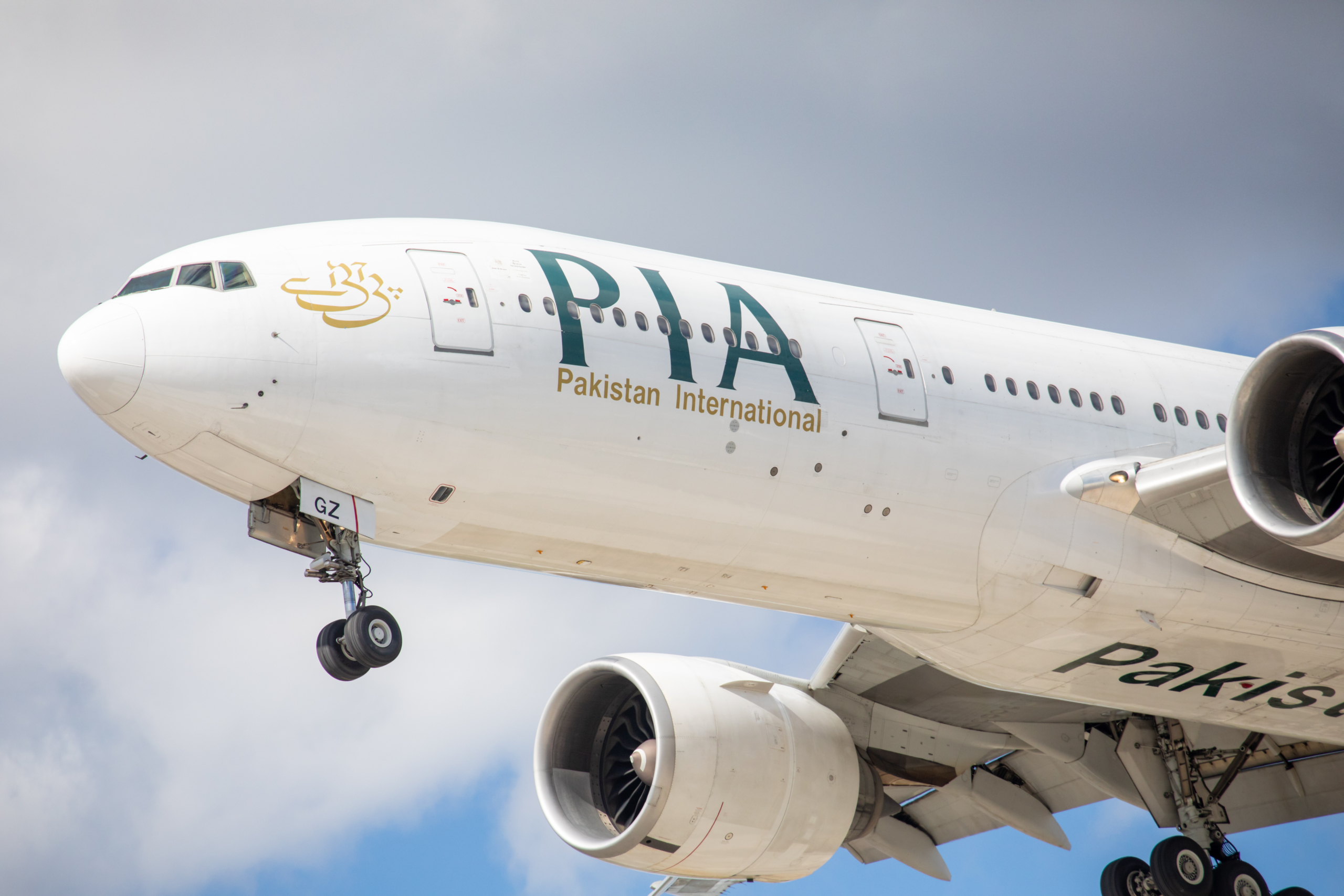
For destinations in Europe and Canada, PIA has implemented distinct routing protocols. These long-haul flights are now navigated through Afghanistan’s Wakhan region and Tajikistan. This structural adjustment reflects a broader strategy to maintain global connectivity despite varying airspace restrictions and regional considerations. Consequently, these re-calibrated routes ensure operational resilience, allowing PIA to sustain its international schedule effectively.








