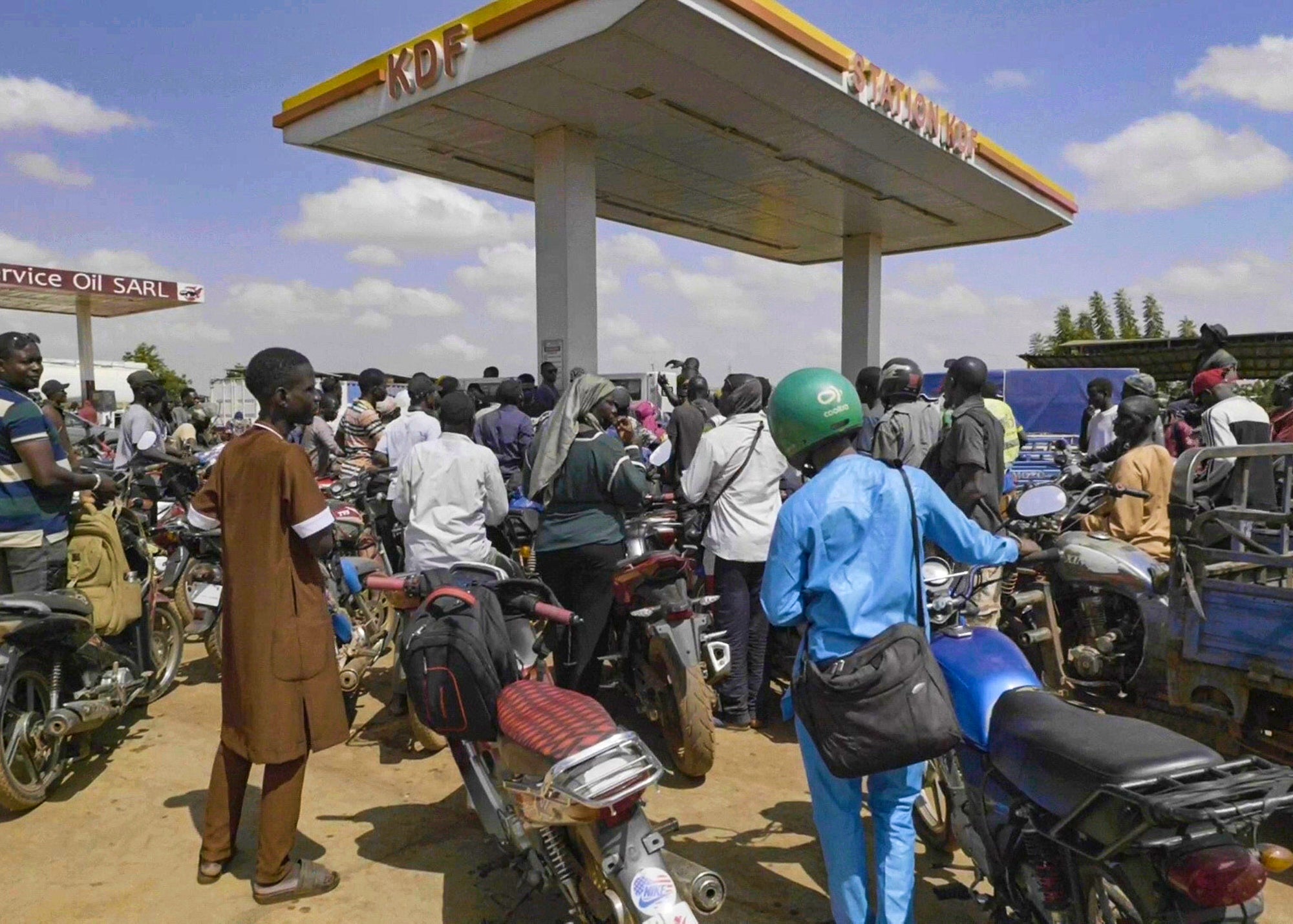
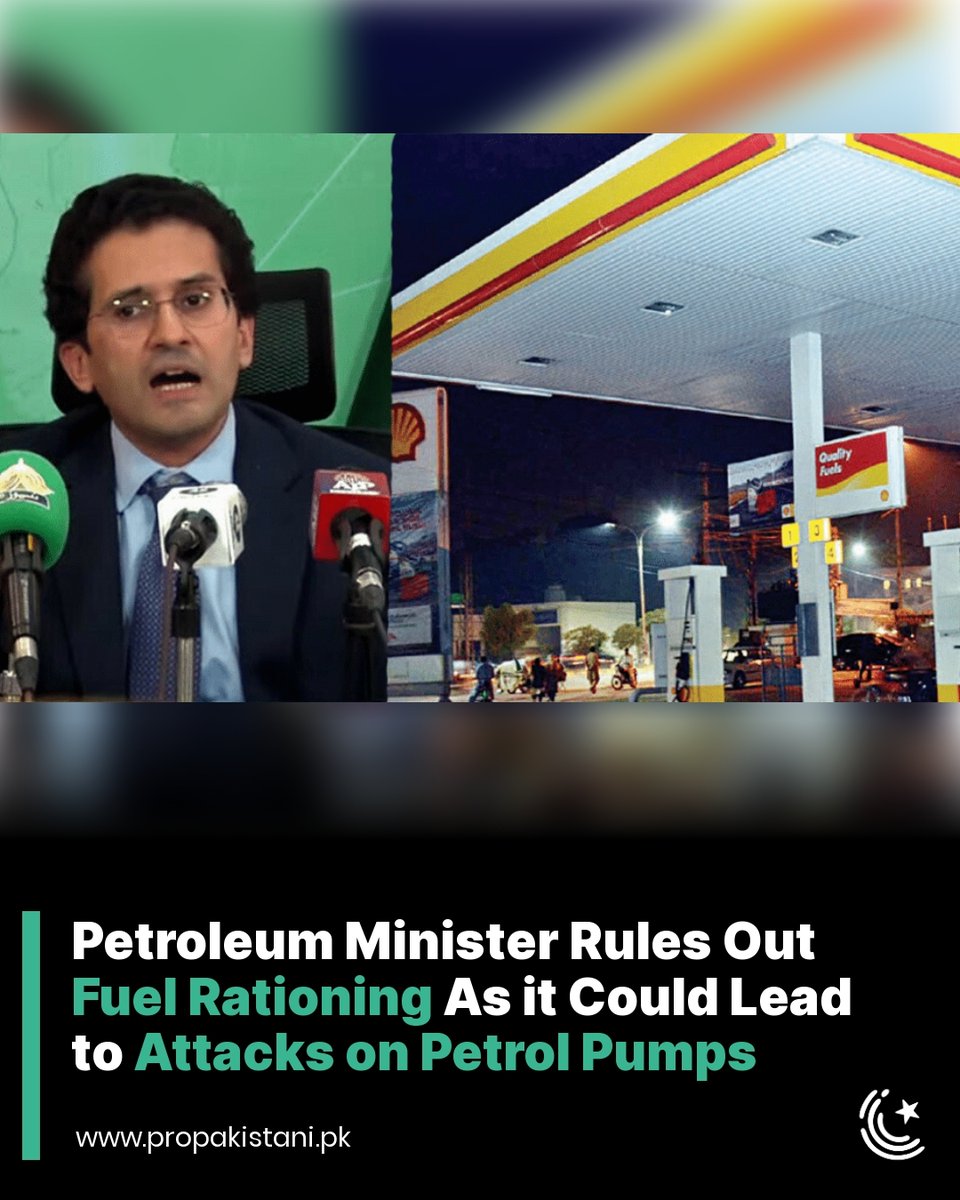
Ensuring national energy resilience is paramount. The federal government has definitively rejected the implementation of a fuel rationing decision. This strategic move aims to prevent widespread panic and maintain the structural integrity of the nation’s fuel supply chain, thereby safeguarding Pakistan’s energy stability.
Petroleum Minister Ali Pervaiz Malik articulated this calibrated stance to the Senate Standing Committee on Finance. He emphasized that such rationing measures could inevitably destabilize the domestic market, mirroring critical situations observed internationally. Consequently, the government prioritizes a consistent and reliable supply over restrictive allocation methods.
The Translation: Deconstructing the Fuel Rationing Decision
The government’s categorical denial of fuel rationing is a calculated response to potential market disruptions. Minister Malik cited Bangladesh as a pertinent case study, where similar rationing policies instigated public unrest and resulted in physical attacks on essential petroleum infrastructure, including petrol pumps and fuel depots. This historical precedent underscores the critical need for a proactive approach to prevent civil disorder and protect vital assets.
Furthermore, maintaining a robust supply chain remains the government’s baseline priority. Therefore, current pricing mechanisms are meticulously set to ensure the continuous import of necessary petroleum products. This structural approach aims to mitigate any potential shortages and stabilize the energy sector, which is a cornerstone of economic functionality.
Socio-Economic Impact: Daily Life and National Energy Security
This policy directly impacts the daily lives of Pakistani citizens across urban and rural landscapes. For professionals, students, and households, the assurance of readily available fuel means uninterrupted transit, consistent power generation where applicable, and stable commodity prices. A consistent petroleum supply chain management averts the uncertainty and economic stress associated with rationing, ensuring routine activities can proceed without disruption.
Consider the logistical challenges for small businesses reliant on transportation, or farmers requiring diesel for agricultural machinery. The absence of a fuel rationing decision prevents economic bottlenecks and preserves livelihoods. In contrast, shortages would cripple commercial activities and inflate prices, disproportionately affecting vulnerable segments of the population. This commitment safeguards against such detrimental ripple effects.
The “Forward Path”: A Stabilization Move for Pakistan’s Energy Future
This development represents a critical Stabilization Move rather than a sudden Momentum Shift. The government’s decision reflects a prudent assessment of both domestic social dynamics and international precedents. By pre-empting the destabilizing effects of rationing, the administration is reinforcing existing systems and procedures designed to ensure consistent energy access.
The focus remains on fortifying the current petroleum supply chain and import strategies, thereby averting potential crises. This approach underscores a commitment to sustained national energy security and economic predictability, laying a stronger foundation for future growth. Consequently, it builds confidence in the government’s capacity to manage essential resources effectively.
International Context: Learning from Global Fuel Policies
The Minister’s reference to international experiences, such as Bangladesh’s challenges with fuel rationing, highlights a strategic analytical approach. Pakistan is proactively learning from global scenarios to calibrate its own energy policies. This prevents the recurrence of adverse social and economic outcomes, ensuring that policy decisions are grounded in evidence and foresight.
This global perspective reinforces the imperative of maintaining a consistent fuel supply. It also emphasizes the potential societal cost of sudden policy shifts without robust foundational support. By prioritizing stability, Pakistan positions itself for more resilient energy management.