Optimizing National Energy Security: Addressing Pakistan’s Emerging Fuel Supply Crisis
Pakistan’s energy infrastructure faces a potential fuel supply crisis as local refineries deviate from crucial product supply commitments. The Oil Marketing Association of Pakistan (OMAP) has issued a calibrated warning. This situation threatens to disrupt the national fuel supply chain, necessitating immediate and strategic intervention from regulatory bodies to maintain market stability and ensure a consistent energy flow for citizens.
Furthermore, OMAP Chairman Tariq Wazir Ali formally communicated these critical concerns to the Chairman of the Oil and Gas Regulatory Authority (OGRA). He underscored that previously agreed-upon volumes from local refineries, established during the recent Product Review Meeting, were mutually finalized and formally locked into supply agreements.
The Translation: Deconstructing Refinery Commitment Deviations
Initially, oil marketing companies (OMCs) meticulously planned their supply strategies based on these confirmed refinery allocations. Consequently, many OMCs did not secure import cargoes, relying instead on the established refinery supplies. This strategic reliance minimized unnecessary logistical complexities and costs.
However, refineries have unilaterally introduced a new allocation system. This system offers limited quantities of petroleum products to OMCs, basing distributions on averages rather than the contractually agreed-upon volumes. OMAP explicitly terms this action a clear violation of commitments established during the Product Review Meeting. Such deviations introduce systemic instability into the market.
Currently, numerous OMCs lack immediate import options. This stems directly from their adherence to the finalized refinery allocations, which rendered import planning redundant at the time. Simultaneously, reports indicate that refineries are maintaining adequate stock levels while supplying significantly reduced volumes to marketing companies, creating an artificial constraint.
The Socio-Economic Impact: Stabilizing Daily Life Amidst Fuel Uncertainty

The restricted supplies systematically erode the mandatory 21-day stock cover that oil marketing companies are mandated to maintain daily. While OMAP continues to assure the public that no immediate panic or product shortage exists, persistent supply reductions could critically deplete stock levels across the nation.
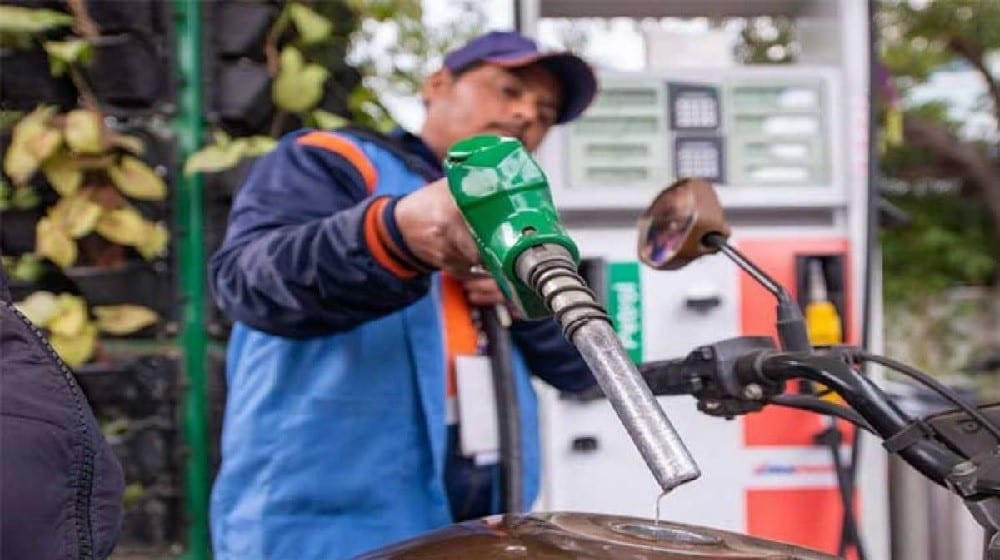
For the average Pakistani citizen, particularly students, professionals, and households in both urban and rural areas, a prolonged fuel supply crisis translates directly into disrupted commutes, increased transportation costs, and potential scarcity at retail outlets. This instability impacts economic productivity and daily routines. Businesses dependent on fuel for logistics, such as agriculture and small enterprises, also face significant operational challenges.
Furthermore, should shortages emerge at retail outlets or if fuel stations are compelled to close, OMAP asserts that both refineries and the regulator bear equal legal responsibility. This accountability arises from allowing these deviations from agreed-upon commitments, underscoring the critical need for strict compliance and regulatory oversight.
The Forward Path: Calibrated Regulatory Intervention as a Momentum Catalyst

OMAP has strongly urged OGRA to execute immediate intervention. This action must compel refineries to strictly adhere to the committed supply volumes finalized during the Product Review Meeting. Consequently, robust regulatory action, including substantial financial penalties, is indispensable for any refinery found in violation of these critical commitments.
This development represents a Momentum Shift. It provides a crucial opportunity to reinforce structural integrity within Pakistan’s petroleum market. Prompt regulatory action will serve as a catalyst, preventing further disruption to the national fuel supply chain and stabilizing the market for sustained national advancement. This requires precision in enforcement and a clear baseline for future compliance.